
 https://www.rakicomp.com/wp-content/uploads/2026/05/gemini-generated-image-x27du6x27du6x27d_0d627e97ab9d78720e0b5bba89f388b0.jpg
1792
2400
raki-admin
https://www.rakicomp.com/wp-content/uploads/2024/05/Raki-logo-website.png
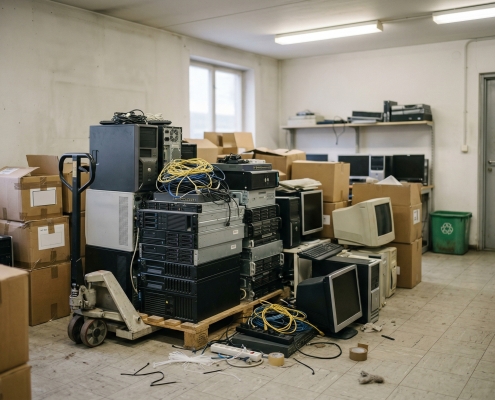
raki-admin2026-05-11 17:16:032026-05-11 17:16:03Why Large Enterprises Trust RAKI for Nationwide Equipment Removal
https://www.rakicomp.com/wp-content/uploads/2026/05/gemini-generated-image-x27du6x27du6x27d_0d627e97ab9d78720e0b5bba89f388b0.jpg
1792
2400
raki-admin
https://www.rakicomp.com/wp-content/uploads/2024/05/Raki-logo-website.png
raki-admin2026-05-11 17:16:032026-05-11 17:16:03Why Large Enterprises Trust RAKI for Nationwide Equipment Removal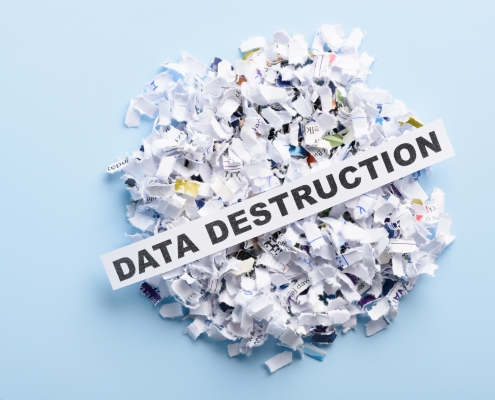 https://www.rakicomp.com/wp-content/uploads/2026/05/shutterstock-2177998539_35e044be4ba34c8c2382782babc5c94a-scaled.jpg
1709
2560
raki-admin
https://www.rakicomp.com/wp-content/uploads/2024/05/Raki-logo-website.png
raki-admin2026-05-08 14:59:362026-05-08 14:59:36How to Choose an E-Waste Recycling Company That Prioritizes Data Destruction
https://www.rakicomp.com/wp-content/uploads/2026/05/shutterstock-2177998539_35e044be4ba34c8c2382782babc5c94a-scaled.jpg
1709
2560
raki-admin
https://www.rakicomp.com/wp-content/uploads/2024/05/Raki-logo-website.png
raki-admin2026-05-08 14:59:362026-05-08 14:59:36How to Choose an E-Waste Recycling Company That Prioritizes Data Destruction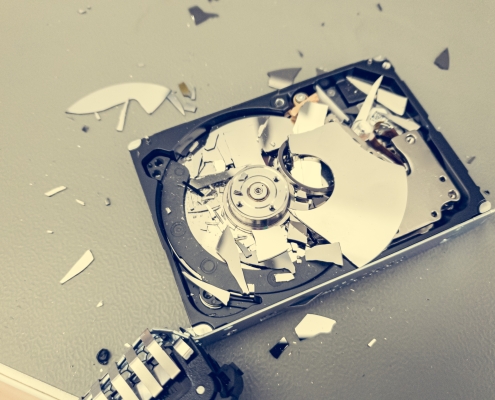 https://www.rakicomp.com/wp-content/uploads/2026/05/shutterstock-1723804906_94a05f3f81e10bfd314053c3fdd6b02c-scaled.jpg
1918
2560
raki-admin
https://www.rakicomp.com/wp-content/uploads/2024/05/Raki-logo-website.png
raki-admin2026-05-06 18:14:232026-05-06 18:14:23Comparing On-Site and Off-Site Shredding for Corporate Hard Drives
https://www.rakicomp.com/wp-content/uploads/2026/05/shutterstock-1723804906_94a05f3f81e10bfd314053c3fdd6b02c-scaled.jpg
1918
2560
raki-admin
https://www.rakicomp.com/wp-content/uploads/2024/05/Raki-logo-website.png
raki-admin2026-05-06 18:14:232026-05-06 18:14:23Comparing On-Site and Off-Site Shredding for Corporate Hard Drives https://www.rakicomp.com/wp-content/uploads/2026/05/shutterstock-2707593145_ab56ab938d1c5002d0906cca35147c74-scaled.jpg
1709
2560
raki-admin
https://www.rakicomp.com/wp-content/uploads/2024/05/Raki-logo-website.png
raki-admin2026-05-04 17:21:582026-05-04 17:21:58A CIO’s Guide to Lifecycle Management of High-Density Storage Arrays
https://www.rakicomp.com/wp-content/uploads/2026/05/shutterstock-2707593145_ab56ab938d1c5002d0906cca35147c74-scaled.jpg
1709
2560
raki-admin
https://www.rakicomp.com/wp-content/uploads/2024/05/Raki-logo-website.png
raki-admin2026-05-04 17:21:582026-05-04 17:21:58A CIO’s Guide to Lifecycle Management of High-Density Storage Arrays https://www.rakicomp.com/wp-content/uploads/2026/05/gemini-generated-image-2c92op2c92op2c92_08ae52ddfed85d3e1ce9cae436ca7bfa.jpg
1792
2400
raki-admin
https://www.rakicomp.com/wp-content/uploads/2024/05/Raki-logo-website.png
raki-admin2026-05-01 13:33:072026-05-01 13:33:07Why Scheduled Shredding is the Best Defense Against Information Leaks
https://www.rakicomp.com/wp-content/uploads/2026/05/gemini-generated-image-2c92op2c92op2c92_08ae52ddfed85d3e1ce9cae436ca7bfa.jpg
1792
2400
raki-admin
https://www.rakicomp.com/wp-content/uploads/2024/05/Raki-logo-website.png
raki-admin2026-05-01 13:33:072026-05-01 13:33:07Why Scheduled Shredding is the Best Defense Against Information Leaks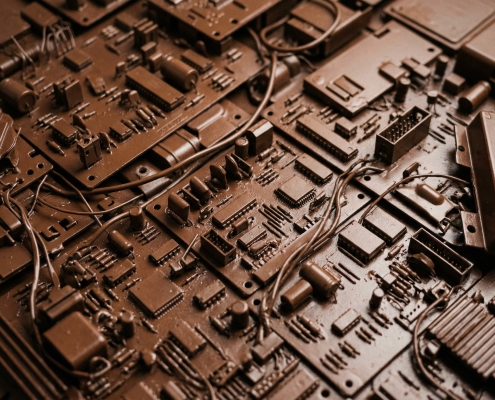 https://www.rakicomp.com/wp-content/uploads/2026/04/representation-of-an-old-tech-and-IT-equipment-ready-for-recycling.jpg
1792
2400
raki-admin
https://www.rakicomp.com/wp-content/uploads/2024/05/Raki-logo-website.png
raki-admin2026-04-29 14:00:242026-04-29 14:00:24What Happens to Your IT Equipment After It’s Recycled?
https://www.rakicomp.com/wp-content/uploads/2026/04/representation-of-an-old-tech-and-IT-equipment-ready-for-recycling.jpg
1792
2400
raki-admin
https://www.rakicomp.com/wp-content/uploads/2024/05/Raki-logo-website.png
raki-admin2026-04-29 14:00:242026-04-29 14:00:24What Happens to Your IT Equipment After It’s Recycled?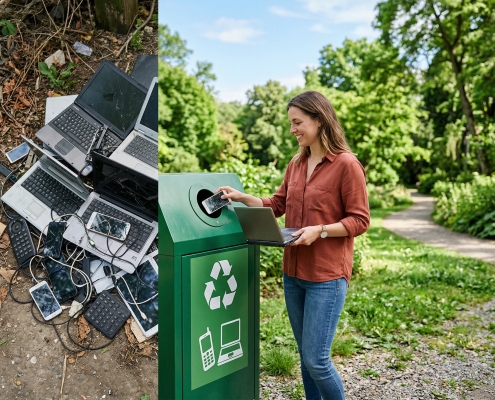 https://www.rakicomp.com/wp-content/uploads/2026/04/representing-environmental-responsibility-in-disposing-old-tech-and-used-IT-equipment.jpg
1792
2400
raki-admin
https://www.rakicomp.com/wp-content/uploads/2024/05/Raki-logo-website.png
raki-admin2026-04-27 17:17:452026-04-27 17:17:45The Role of Environmental Responsibility in Modern Corporate Governance
https://www.rakicomp.com/wp-content/uploads/2026/04/representing-environmental-responsibility-in-disposing-old-tech-and-used-IT-equipment.jpg
1792
2400
raki-admin
https://www.rakicomp.com/wp-content/uploads/2024/05/Raki-logo-website.png
raki-admin2026-04-27 17:17:452026-04-27 17:17:45The Role of Environmental Responsibility in Modern Corporate Governance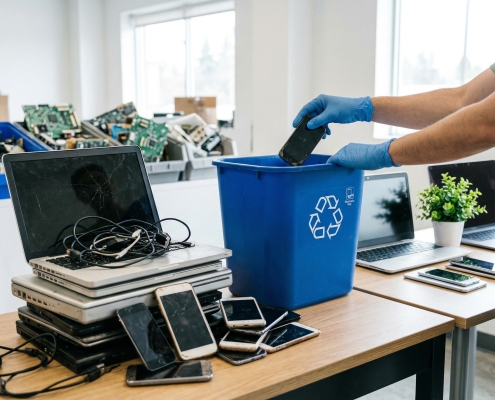 https://www.rakicomp.com/wp-content/uploads/2026/04/IT-asset-disposition-for-old-and-decommissioned-hardware.jpg
1792
2400
raki-admin
https://www.rakicomp.com/wp-content/uploads/2024/05/Raki-logo-website.png
raki-admin2026-04-24 17:52:522026-04-24 17:52:52Why Your IT Asset Disposition Strategy Needs a Sustainability Audit
https://www.rakicomp.com/wp-content/uploads/2026/04/IT-asset-disposition-for-old-and-decommissioned-hardware.jpg
1792
2400
raki-admin
https://www.rakicomp.com/wp-content/uploads/2024/05/Raki-logo-website.png
raki-admin2026-04-24 17:52:522026-04-24 17:52:52Why Your IT Asset Disposition Strategy Needs a Sustainability Audit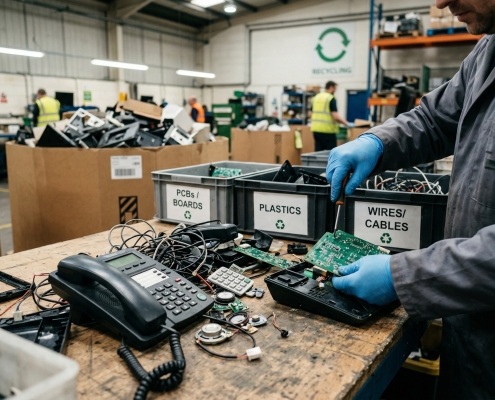 https://www.rakicomp.com/wp-content/uploads/2026/04/electronics-pickup-followed-by-sorting-and-recycling-of-old-hardware.jpg
1792
2400
raki-admin
https://www.rakicomp.com/wp-content/uploads/2024/05/Raki-logo-website.png
raki-admin2026-04-22 18:45:232026-04-22 18:45:23What to Expect During a Professional Electronics Pickup at Your Office
https://www.rakicomp.com/wp-content/uploads/2026/04/electronics-pickup-followed-by-sorting-and-recycling-of-old-hardware.jpg
1792
2400
raki-admin
https://www.rakicomp.com/wp-content/uploads/2024/05/Raki-logo-website.png
raki-admin2026-04-22 18:45:232026-04-22 18:45:23What to Expect During a Professional Electronics Pickup at Your Office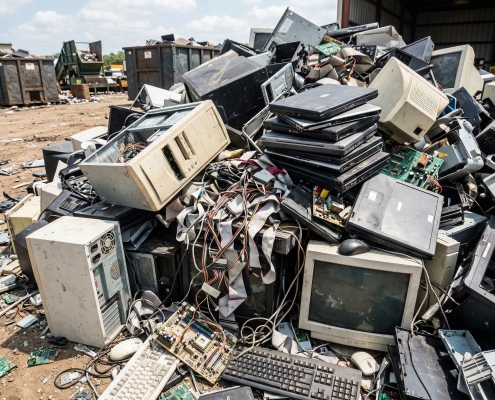 https://www.rakicomp.com/wp-content/uploads/2026/04/old-technology-disposed-that-includes-IT-equipment-and-hardware.jpg
1792
2400
raki-admin
https://www.rakicomp.com/wp-content/uploads/2024/05/Raki-logo-website.png
raki-admin2026-04-20 19:27:392026-04-20 19:27:39Turning Old Technology into Capital Through Strategic Asset Recovery
https://www.rakicomp.com/wp-content/uploads/2026/04/old-technology-disposed-that-includes-IT-equipment-and-hardware.jpg
1792
2400
raki-admin
https://www.rakicomp.com/wp-content/uploads/2024/05/Raki-logo-website.png
raki-admin2026-04-20 19:27:392026-04-20 19:27:39Turning Old Technology into Capital Through Strategic Asset Recovery