
Recovering Financial Value from Obsolete UPS and Power Infrastructure
Summary
End-of-life UPS systems and power infrastructure still hold measurable financial value. Learn how a structured ITAD approach helps enterprises recover returns, stay compliant, and reduce environmental liability.
When organizations upgrade their data centers or consolidate facilities, the focus typically falls on servers, storage, and networking gear. Management people usually relegate UPS systems, power distribution units, and other power infrastructure assets as afterthoughts. Teams then schedule these gears for disposal without any structured recovery plan. That approach leaves significant financial value on the table and introduces compliance and environmental risks that responsible organizations cannot afford to ignore.
Obsolete power infrastructure is not simply a disposal problem. It is an asset management opportunity requiring the same strategic attention given to any other category of enterprise IT equipment.
Why Power Infrastructure Deserves a Dedicated Recovery Strategy
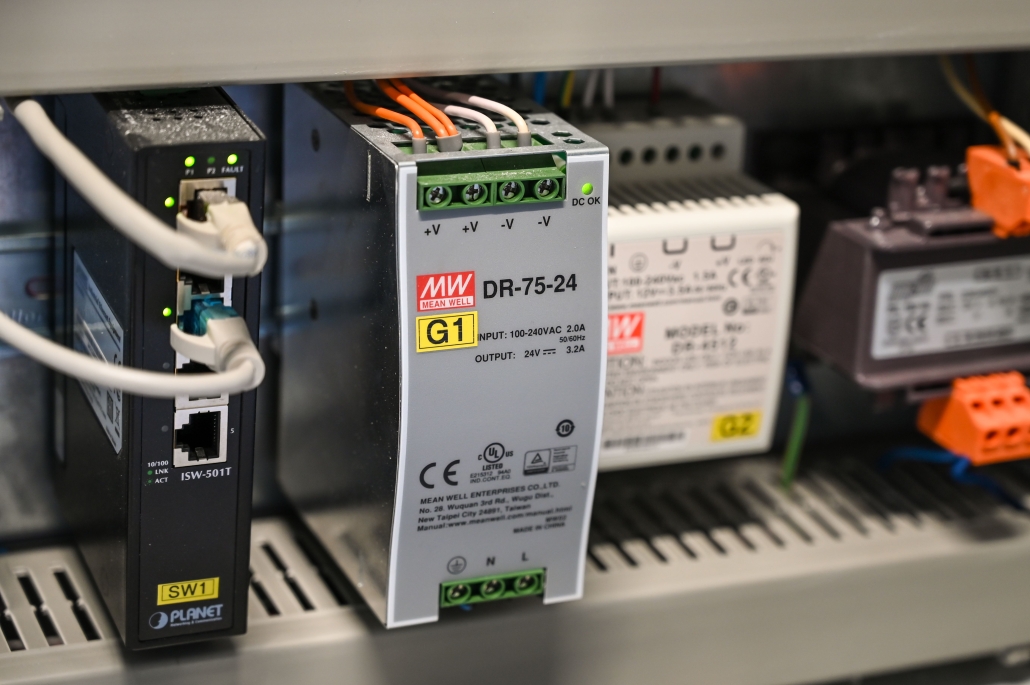
Uninterruptible power supply systems represent a substantial capital investment. Enterprise-grade UPS units, static transfer switches, and power distribution equipment retain residual market value. This persists even after the gears exit active service. The components inside these systems, including lead-acid battery banks, copper windings, steel enclosures, and precision electronics, carry real commodity and resale value. Teams can capture these through a properly structured decommissioning process.
Organizations can send this equipment directly to scrap or general recycling streams. However, without an asset evaluation process, these companies only recover a fraction of what a certified IT asset disposition partner would return to them. The difference between an uninformed disposal and a managed value recovery engagement can be substantial. This is particularly true when decommissioning at scale across multiple facilities.
Beyond the financial case, power infrastructure contains materials that are strictly regulated under federal and state environmental guidelines. Lead-acid batteries, capacitors, and certain electronic components are classified as hazardous waste. Improper disposal creates liability exposure that can far outweigh any logistical savings from choosing a lower-cost disposal vendor.
The ITAD Framework Applied to Power Infrastructure
IT asset disposition methodology was developed for exactly these scenarios. A certified ITAD process applied to end-of-life power infrastructure involves several structured phases:
Asset inventory and valuation. Before any equipment moves, a qualified partner catalogs all assets. This lists the make, model, age, and condition data, and assigns fair market value assessments. For power infrastructure, this includes both the primary systems and associated components. Catalogs cover battery strings, bypass modules, and monitoring interfaces.
Data and access credential sanitization. Modern UPS and power management systems run embedded firmware. They also contain network management cards that store configuration data, SNMP credentials, and facility access information. Handlers are expected to sanitize them before disposition. A compliant ITAD partner addresses this as a non-negotiable step, not an optional add-on.
Remarketing and value recovery. Companies have the option to refurbish and remarket equipment with remaining useful life. This is where companies draw a significant portion of the recoverable value. Enterprise buyers in emerging markets and mid-market organizations actively seek reliable used power infrastructure. In turn, this creates a demand channel that a reputable ITAD partner can access.
Certified recycling for end-of-life components. Equipment that cannot be remarketed is routed to certified e-waste recycling processes. These facilities recover materials in compliance with EPA standards, R2 certification requirements, and applicable state regulations. This ensures that your organization receives documentation confirming responsible downstream handling.
Compliance and Chain of Custody Documentation
Regulatory exposure is one of the most underestimated risks in power infrastructure decommissioning. Organizations in healthcare, finance, government contracting, and other regulated sectors operate under strict requirements. These procedures extend beyond data security to include environmental handling of hazardous materials.
A qualified ITAD partner provides complete chain of custody documentation from asset pickup through final processing. This documentation is not just a formality. It is the evidence that protects your organization in the event of an audit, an environmental inquiry, or a downstream incident involving improperly disposed equipment.
Certificate of recycling, certificate of data destruction, material recovery reports, and asset-level audit trails should all be standard deliverables from any reputable disposition engagement. If a vendor cannot provide this level of documentation, the risk is simply transferred, not eliminated.

Operational and Sustainability Considerations
Decommissioning power infrastructure at the enterprise level is a logistically complex undertaking. UPS cabinets and associated battery systems are heavy, and they need safe handling protocols. Also, technicians often need to remove from controlled environments with minimal disruption to adjacent operations.
Working with a partner experienced in large-scale, multi-site IT asset retirement allows organizations to coordinate phased pickups, manage logistics across distributed facilities, and maintain operational continuity throughout the process. Internal teams can significantly reduce their operational burden. Additionally, they can also compress the timeline from decommission to settlement.
From a sustainability perspective, a structured recovery process keeps usable equipment in service longer, reduces demand for new raw materials, and ensures that hazardous components are managed responsibly. Organizations with active ESG commitments increasingly include IT and power infrastructure disposition in their environmental reporting, making documented, certified recycling practices a business requirement rather than a preference.
Maximizing Return on End-of-Life Power Assets
The organizations that recover the most value from obsolete power infrastructure share a common approach: they engage a certified disposition partner early, before decommissioning begins. Early engagement allows for proper planning, accurate valuations, and logistics coordination that would not be possible if disposition is treated as a last-minute activity.
Settlement timelines, fair market value assessments, and downstream compliance documentation are all outcomes that benefit from advance planning. Enterprise clients that treat power infrastructure disposition as a strategic process consistently achieve better financial returns and lower compliance risk than those who treat it as a facilities management afterthought.
End-of-life does not mean zero value. It means the asset has moved from operational use to a recovery phase, and how that phase goes determines what comes back to your organization, financially, operationally, and reputationally. Contact our team at RAKI Computers and make the most out of your obsolete power equipment.


Leave a Reply
Want to join the discussion?Feel free to contribute!