
 https://www.rakicomp.com/wp-content/uploads/2026/07/pexels-anete-lusina-4792750_ef1e6d43a651d0fc27c87530a47c90c7-scaled.jpg
1709
2560
raki-admin
https://www.rakicomp.com/wp-content/uploads/2024/05/Raki-logo-website.png
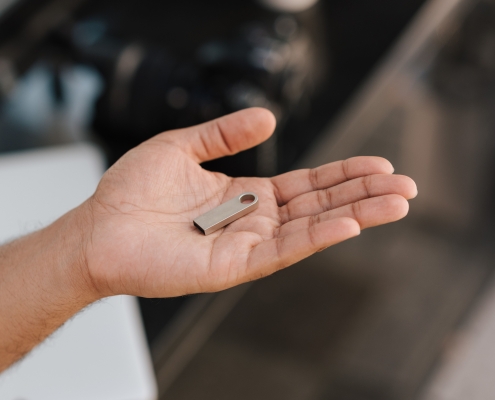
raki-admin2026-07-20 10:00:152026-07-13 15:36:57Choosing the Most Reliable Secure Data Destruction Methods for Flash Storage
https://www.rakicomp.com/wp-content/uploads/2026/07/pexels-anete-lusina-4792750_ef1e6d43a651d0fc27c87530a47c90c7-scaled.jpg
1709
2560
raki-admin
https://www.rakicomp.com/wp-content/uploads/2024/05/Raki-logo-website.png
raki-admin2026-07-20 10:00:152026-07-13 15:36:57Choosing the Most Reliable Secure Data Destruction Methods for Flash Storage https://www.rakicomp.com/wp-content/uploads/2026/07/pexels-brett-sayles-4508751_e768ccd14d11196f3d70d18d2484dcee-scaled.jpg
1707
2560
raki-admin
https://www.rakicomp.com/wp-content/uploads/2024/05/Raki-logo-website.png
raki-admin2026-07-17 10:00:512026-07-13 15:33:11Plugging the Gaps in Your Corporate IT Asset and E-waste Security Strategy
https://www.rakicomp.com/wp-content/uploads/2026/07/pexels-brett-sayles-4508751_e768ccd14d11196f3d70d18d2484dcee-scaled.jpg
1707
2560
raki-admin
https://www.rakicomp.com/wp-content/uploads/2024/05/Raki-logo-website.png
raki-admin2026-07-17 10:00:512026-07-13 15:33:11Plugging the Gaps in Your Corporate IT Asset and E-waste Security Strategy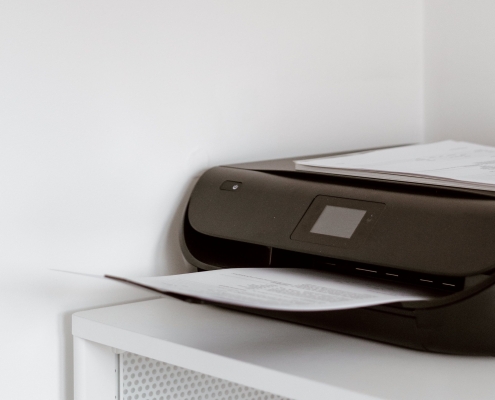 https://www.rakicomp.com/wp-content/uploads/2026/07/pexels-anete-lusina-4792283_894cc14013f1c4bbd6c7b695aa88a3bf-scaled.jpg
1440
2560
raki-admin
https://www.rakicomp.com/wp-content/uploads/2024/05/Raki-logo-website.png
raki-admin2026-07-15 10:00:562026-07-13 15:29:14Does Your Plan Cover Hidden Data on Printers and Copiers?
https://www.rakicomp.com/wp-content/uploads/2026/07/pexels-anete-lusina-4792283_894cc14013f1c4bbd6c7b695aa88a3bf-scaled.jpg
1440
2560
raki-admin
https://www.rakicomp.com/wp-content/uploads/2024/05/Raki-logo-website.png
raki-admin2026-07-15 10:00:562026-07-13 15:29:14Does Your Plan Cover Hidden Data on Printers and Copiers?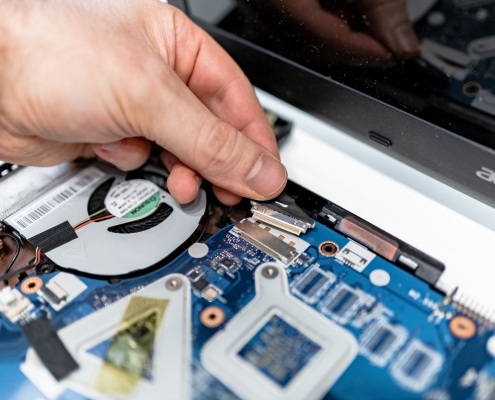 https://www.rakicomp.com/wp-content/uploads/2026/07/pexels-it-services-eu-9278798-7639360_9a1ac3e9e5a1e362e324350ded77dad5-scaled.jpg
1708
2560
raki-admin
https://www.rakicomp.com/wp-content/uploads/2024/05/Raki-logo-website.png
raki-admin2026-07-13 15:25:292026-07-13 15:25:293 Ways to Minimize Downtime During Large-Scale Equipment Decommissioning
https://www.rakicomp.com/wp-content/uploads/2026/07/pexels-it-services-eu-9278798-7639360_9a1ac3e9e5a1e362e324350ded77dad5-scaled.jpg
1708
2560
raki-admin
https://www.rakicomp.com/wp-content/uploads/2024/05/Raki-logo-website.png
raki-admin2026-07-13 15:25:292026-07-13 15:25:293 Ways to Minimize Downtime During Large-Scale Equipment Decommissioning https://www.rakicomp.com/wp-content/uploads/2026/07/pexels-tobiandchris-9349519_41345313649e162263b2514c5d332170-scaled.jpg
1920
2560
raki-admin
https://www.rakicomp.com/wp-content/uploads/2024/05/Raki-logo-website.png
raki-admin2026-07-10 10:00:092026-07-06 14:05:02Solving the Logistics Puzzle of Multi-Location Asset Removal
https://www.rakicomp.com/wp-content/uploads/2026/07/pexels-tobiandchris-9349519_41345313649e162263b2514c5d332170-scaled.jpg
1920
2560
raki-admin
https://www.rakicomp.com/wp-content/uploads/2024/05/Raki-logo-website.png
raki-admin2026-07-10 10:00:092026-07-06 14:05:02Solving the Logistics Puzzle of Multi-Location Asset Removal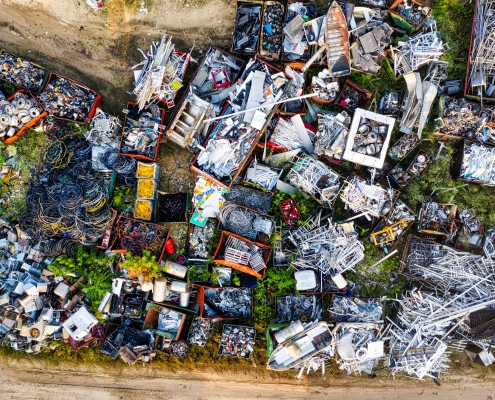 https://www.rakicomp.com/wp-content/uploads/2026/07/pexels-tomfisk-9784001_48287a367a2292270b0f6e7a3b001766-scaled.jpg
1705
2560
raki-admin
https://www.rakicomp.com/wp-content/uploads/2024/05/Raki-logo-website.png
raki-admin2026-07-08 10:00:022026-07-06 13:53:21The Future of E-Waste Solutions in a Post-Cloud Corporate World
https://www.rakicomp.com/wp-content/uploads/2026/07/pexels-tomfisk-9784001_48287a367a2292270b0f6e7a3b001766-scaled.jpg
1705
2560
raki-admin
https://www.rakicomp.com/wp-content/uploads/2024/05/Raki-logo-website.png
raki-admin2026-07-08 10:00:022026-07-06 13:53:21The Future of E-Waste Solutions in a Post-Cloud Corporate World https://www.rakicomp.com/wp-content/uploads/2026/07/pexels-cottonbro-4705635_1b64e94cf6c51c997cc32fe14c16dd44-scaled.jpg
1706
2560
raki-admin
https://www.rakicomp.com/wp-content/uploads/2024/05/Raki-logo-website.png
raki-admin2026-07-06 13:49:182026-07-06 13:49:18Protecting Secure Data During Nationwide Equipment Removal Projects
https://www.rakicomp.com/wp-content/uploads/2026/07/pexels-cottonbro-4705635_1b64e94cf6c51c997cc32fe14c16dd44-scaled.jpg
1706
2560
raki-admin
https://www.rakicomp.com/wp-content/uploads/2024/05/Raki-logo-website.png
raki-admin2026-07-06 13:49:182026-07-06 13:49:18Protecting Secure Data During Nationwide Equipment Removal Projects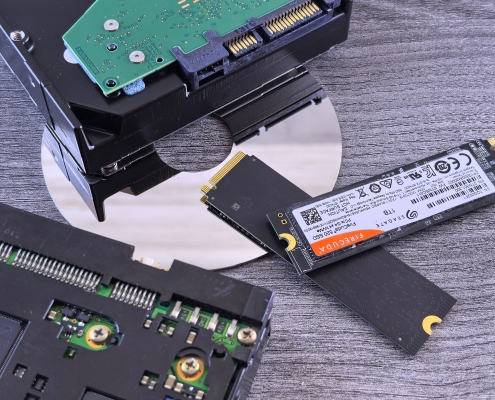 https://www.rakicomp.com/wp-content/uploads/2026/07/pexels-zeleboba-35147150_135f7b4ac9c447651736186c91c4c8cd-scaled.jpg
1920
2560
raki-admin
https://www.rakicomp.com/wp-content/uploads/2024/05/Raki-logo-website.png
raki-admin2026-07-03 10:00:482026-07-01 14:00:515 Expensive Misconceptions About Corporate Computer Recycling and ITAD
https://www.rakicomp.com/wp-content/uploads/2026/07/pexels-zeleboba-35147150_135f7b4ac9c447651736186c91c4c8cd-scaled.jpg
1920
2560
raki-admin
https://www.rakicomp.com/wp-content/uploads/2024/05/Raki-logo-website.png
raki-admin2026-07-03 10:00:482026-07-01 14:00:515 Expensive Misconceptions About Corporate Computer Recycling and ITAD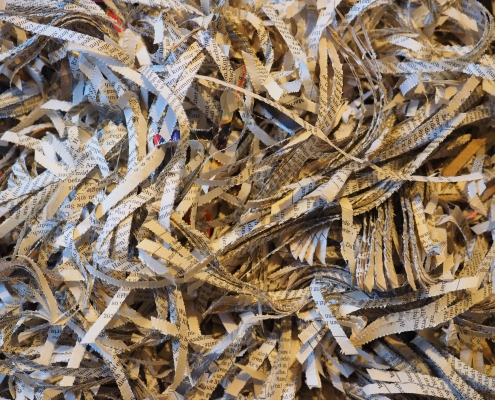 https://www.rakicomp.com/wp-content/uploads/2026/07/hans-shredder-779854_854e2673da10ddf92dfc4f14f39720a1-scaled.jpg
1920
2560
raki-admin
https://www.rakicomp.com/wp-content/uploads/2024/05/Raki-logo-website.png
raki-admin2026-07-01 13:49:112026-07-01 13:49:11Why Scheduled Shredding is a Must-Have for Modern Legal Departments
https://www.rakicomp.com/wp-content/uploads/2026/07/hans-shredder-779854_854e2673da10ddf92dfc4f14f39720a1-scaled.jpg
1920
2560
raki-admin
https://www.rakicomp.com/wp-content/uploads/2024/05/Raki-logo-website.png
raki-admin2026-07-01 13:49:112026-07-01 13:49:11Why Scheduled Shredding is a Must-Have for Modern Legal Departments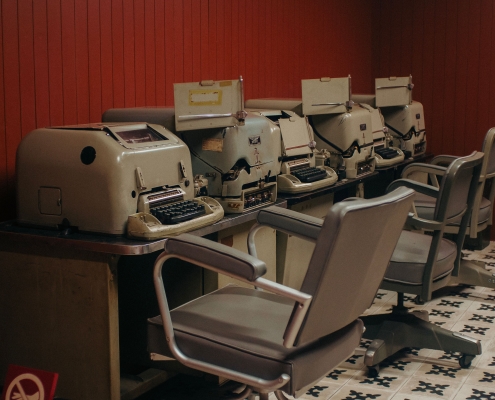 https://www.rakicomp.com/wp-content/uploads/2026/06/pexels-tong-quan-1387853282-29342449_a8afa6cc02e290fc51bdab40f1feb94e-scaled.jpg
1920
2560
raki-admin
https://www.rakicomp.com/wp-content/uploads/2024/05/Raki-logo-website.png
raki-admin2026-06-29 15:57:442026-06-29 15:57:445 Ways to Improve Your Asset Disposition ROI This Year
https://www.rakicomp.com/wp-content/uploads/2026/06/pexels-tong-quan-1387853282-29342449_a8afa6cc02e290fc51bdab40f1feb94e-scaled.jpg
1920
2560
raki-admin
https://www.rakicomp.com/wp-content/uploads/2024/05/Raki-logo-website.png
raki-admin2026-06-29 15:57:442026-06-29 15:57:445 Ways to Improve Your Asset Disposition ROI This Year