
 https://www.rakicomp.com/wp-content/uploads/2026/06/shutterstock-2716330745_b70284ddbebbed8e775c003b6d001405.jpg
666
1000
raki-admin
https://www.rakicomp.com/wp-content/uploads/2024/05/Raki-logo-website.png
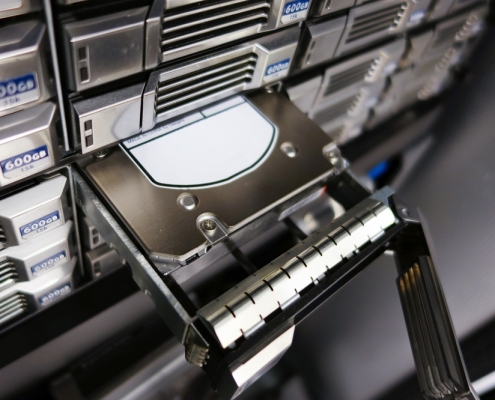
raki-admin2026-06-03 18:14:262026-06-03 18:14:26The Environmental Benefits of Partnering with an R2-Certified Provider
https://www.rakicomp.com/wp-content/uploads/2026/06/shutterstock-2716330745_b70284ddbebbed8e775c003b6d001405.jpg
666
1000
raki-admin
https://www.rakicomp.com/wp-content/uploads/2024/05/Raki-logo-website.png
raki-admin2026-06-03 18:14:262026-06-03 18:14:26The Environmental Benefits of Partnering with an R2-Certified Provider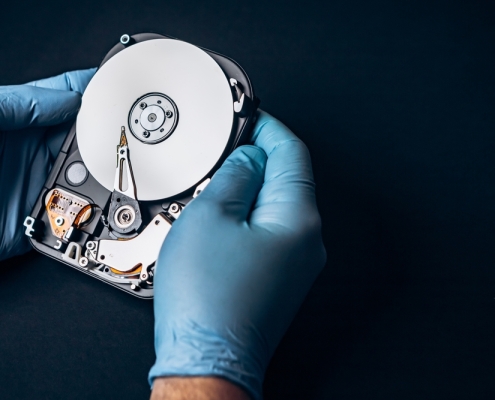 https://www.rakicomp.com/wp-content/uploads/2026/06/shutterstock-2303222201_876915362c7a75f723eb78939fa5b013.jpg
667
1000
raki-admin
https://www.rakicomp.com/wp-content/uploads/2024/05/Raki-logo-website.png
raki-admin2026-06-01 17:26:172026-06-01 17:26:17Why ITAD Is More Than Just Computer Recycling for Large Firms
https://www.rakicomp.com/wp-content/uploads/2026/06/shutterstock-2303222201_876915362c7a75f723eb78939fa5b013.jpg
667
1000
raki-admin
https://www.rakicomp.com/wp-content/uploads/2024/05/Raki-logo-website.png
raki-admin2026-06-01 17:26:172026-06-01 17:26:17Why ITAD Is More Than Just Computer Recycling for Large Firms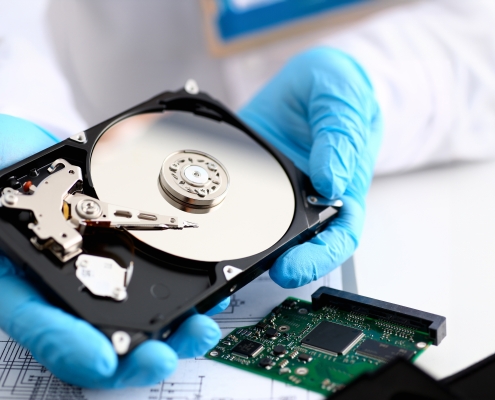 https://www.rakicomp.com/wp-content/uploads/2026/05/shutterstock-2462584083_bbd79fa680c7ef7ee57cc99270d7969d-scaled.jpg
1447
2560
raki-admin
https://www.rakicomp.com/wp-content/uploads/2024/05/Raki-logo-website.png
raki-admin2026-05-29 10:00:552026-05-27 17:35:44Preventing Sensitive Data Breaches via Professional Secure Data Destruction
https://www.rakicomp.com/wp-content/uploads/2026/05/shutterstock-2462584083_bbd79fa680c7ef7ee57cc99270d7969d-scaled.jpg
1447
2560
raki-admin
https://www.rakicomp.com/wp-content/uploads/2024/05/Raki-logo-website.png
raki-admin2026-05-29 10:00:552026-05-27 17:35:44Preventing Sensitive Data Breaches via Professional Secure Data Destruction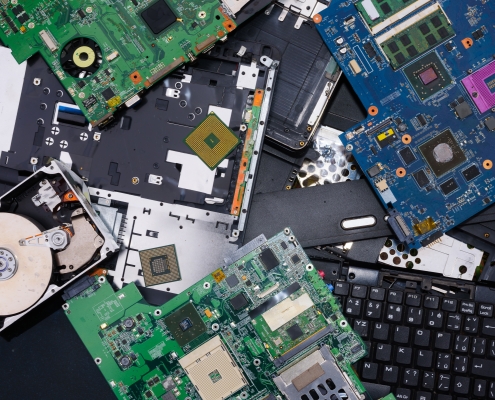 https://www.rakicomp.com/wp-content/uploads/2026/05/shutterstock-2376851729_8dfee235804f4171638540e0c1c47be3-scaled.jpg
1709
2560
raki-admin
https://www.rakicomp.com/wp-content/uploads/2024/05/Raki-logo-website.png
raki-admin2026-05-27 17:31:352026-05-27 17:31:35How to Safely Recycle Old Machines from Manufacturing Plants
https://www.rakicomp.com/wp-content/uploads/2026/05/shutterstock-2376851729_8dfee235804f4171638540e0c1c47be3-scaled.jpg
1709
2560
raki-admin
https://www.rakicomp.com/wp-content/uploads/2024/05/Raki-logo-website.png
raki-admin2026-05-27 17:31:352026-05-27 17:31:35How to Safely Recycle Old Machines from Manufacturing Plants https://www.rakicomp.com/wp-content/uploads/2026/05/shutterstock-2109892556_ab56ab938d1c5002d0906cca35147c74-scaled.jpg
1707
2560
raki-admin
https://www.rakicomp.com/wp-content/uploads/2024/05/Raki-logo-website.png
raki-admin2026-05-25 12:00:272026-05-22 18:44:56Managing the Environmental Impact of Bulk IT Asset Retirement
https://www.rakicomp.com/wp-content/uploads/2026/05/shutterstock-2109892556_ab56ab938d1c5002d0906cca35147c74-scaled.jpg
1707
2560
raki-admin
https://www.rakicomp.com/wp-content/uploads/2024/05/Raki-logo-website.png
raki-admin2026-05-25 12:00:272026-05-22 18:44:56Managing the Environmental Impact of Bulk IT Asset Retirement https://www.rakicomp.com/wp-content/uploads/2026/05/shutterstock-2291074173_68fc8303c8b973bb7ce2f0672dd9718e-scaled.jpg
1707
2560
raki-admin
https://www.rakicomp.com/wp-content/uploads/2024/05/Raki-logo-website.png
raki-admin2026-05-22 18:40:542026-05-22 18:45:54Why One-Time Shredding Events Are Critical After a Major Merger
https://www.rakicomp.com/wp-content/uploads/2026/05/shutterstock-2291074173_68fc8303c8b973bb7ce2f0672dd9718e-scaled.jpg
1707
2560
raki-admin
https://www.rakicomp.com/wp-content/uploads/2024/05/Raki-logo-website.png
raki-admin2026-05-22 18:40:542026-05-22 18:45:54Why One-Time Shredding Events Are Critical After a Major Merger https://www.rakicomp.com/wp-content/uploads/2026/05/shutterstock-2510269159_ab56ab938d1c5002d0906cca35147c74-scaled.jpg
1102
2560
raki-admin
https://www.rakicomp.com/wp-content/uploads/2024/05/Raki-logo-website.png
raki-admin2026-05-20 17:52:382026-05-20 17:52:38The Importance of Secure Data Handling During Office Relocations
https://www.rakicomp.com/wp-content/uploads/2026/05/shutterstock-2510269159_ab56ab938d1c5002d0906cca35147c74-scaled.jpg
1102
2560
raki-admin
https://www.rakicomp.com/wp-content/uploads/2024/05/Raki-logo-website.png
raki-admin2026-05-20 17:52:382026-05-20 17:52:38The Importance of Secure Data Handling During Office Relocations https://www.rakicomp.com/wp-content/uploads/2026/05/shutterstock-748089028_ab56ab938d1c5002d0906cca35147c74-scaled.jpg
1707
2560
raki-admin
https://www.rakicomp.com/wp-content/uploads/2024/05/Raki-logo-website.png
raki-admin2026-05-18 10:00:302026-05-13 20:14:24How to Optimize Value Recovery for Your Old Electronics
https://www.rakicomp.com/wp-content/uploads/2026/05/shutterstock-748089028_ab56ab938d1c5002d0906cca35147c74-scaled.jpg
1707
2560
raki-admin
https://www.rakicomp.com/wp-content/uploads/2024/05/Raki-logo-website.png
raki-admin2026-05-18 10:00:302026-05-13 20:14:24How to Optimize Value Recovery for Your Old Electronics https://www.rakicomp.com/wp-content/uploads/2026/05/shutterstock-2647142323_ab56ab938d1c5002d0906cca35147c74-scaled.jpg
1707
2560
raki-admin
https://www.rakicomp.com/wp-content/uploads/2024/05/Raki-logo-website.png
raki-admin2026-05-15 10:00:532026-05-13 20:09:42Is Your Asset Disposition Process Ready for a Compliance Audit?
https://www.rakicomp.com/wp-content/uploads/2026/05/shutterstock-2647142323_ab56ab938d1c5002d0906cca35147c74-scaled.jpg
1707
2560
raki-admin
https://www.rakicomp.com/wp-content/uploads/2024/05/Raki-logo-website.png
raki-admin2026-05-15 10:00:532026-05-13 20:09:42Is Your Asset Disposition Process Ready for a Compliance Audit? https://www.rakicomp.com/wp-content/uploads/2026/05/shutterstock-2616674623_ab56ab938d1c5002d0906cca35147c74-scaled.jpg
1707
2560
raki-admin
https://www.rakicomp.com/wp-content/uploads/2024/05/Raki-logo-website.png
raki-admin2026-05-13 20:04:182026-05-13 20:04:18Meeting Global Regulatory Standards Through Certified E-Waste Solutions
https://www.rakicomp.com/wp-content/uploads/2026/05/shutterstock-2616674623_ab56ab938d1c5002d0906cca35147c74-scaled.jpg
1707
2560
raki-admin
https://www.rakicomp.com/wp-content/uploads/2024/05/Raki-logo-website.png
raki-admin2026-05-13 20:04:182026-05-13 20:04:18Meeting Global Regulatory Standards Through Certified E-Waste Solutions