How to Meet EPA Standards for Large-Scale Corporate Recycling

Summary
Corporate recycling of IT assets must meet EPA and RCRA standards. Learn how proper classification and documentation help avoid compliance risk.
Large organizations generate enormous volumes of electronic waste, packaging materials, and hazardous byproducts every year. Corporate recycling at scale demands more than good intentions. It requires a structured approach that aligns with EPA regulations under the Resource Conservation and Recovery Act (RCRA). Companies that fail to follow these standards risk fines, reputational damage, and environmental harm.
Understanding RCRA and Corporate Recycling
The EPA regulates recycling through RCRA’s Subtitle C framework, which governs hazardous waste management. Not every recycled material falls under the same rules. Some materials are excluded entirely from solid waste definitions, while others require alternative controls or full regulation.
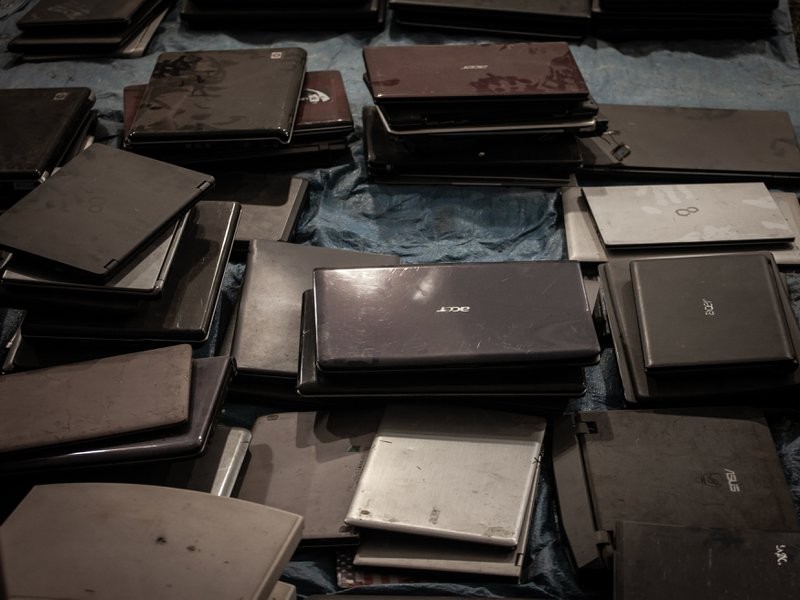
The level of oversight depends on two factors. These are the type of material and how it will be recycled. For example, scrap metal and certain electronic components like shredded circuit boards may qualify for exclusions, provided specific storage conditions are met.
Classifying Materials Correctly
Before any recycling program begins, companies must determine whether a material qualifies as a solid waste under RCRA. This classification step is the foundation of compliance. Skipping it can lead to violations even when recycling intentions are good.
Accepted materials generally fall into three regulatory categories:
- Materials excluded from hazardous waste regulation entirely, such as excluded scrap metal or closed-loop recycled materials
- Materials subject to alternative standards, including universal waste like batteries, lamps, and mercury-containing equipment
State regulations can also be stricter than federal rules. Organizations operating across multiple states should verify local requirements before finalizing a recycling plan.
Avoiding Sham Recycling Practices
The EPA distinguishes legitimate recycling from what it calls “sham recycling”. This distinction matters because improperly labeled disposal practices can trigger full hazardous waste enforcement actions. Legitimate recycling must produce a usable product or service a genuine commercial purpose.

Companies engaging in corporate recycling should document how recycled materials are reintroduced into production or sold as usable commodities. Proper documentation protects organizations during audits and demonstrates good-faith compliance efforts.
Maintaining Audit-Ready Documentation
Large-scale recycling operations generate significant paperwork. Chain-of-custody records, material tracking logs, and destruction certificates all support audit readiness. Without these records, organizations struggle to prove compliance if regulators request evidence.
Documentation also helps track where materials go after collection. This is especially important for electronics containing hazardous components like lead, mercury, or lithium batteries. Clear records reduce liability and streamline reporting to stakeholders and regulators alike.
Partnering With a Certified ITAD Provider
RAKI Computers helps organizations navigate these complex EPA requirements through R2-certified data destruction and IT asset disposition services. Our processes comply with federal, state, and local EPA guidelines, ensuring every step of the recycling chain meets regulatory standards. We maintain a strict no-landfill policy and provide detailed documentation throughout the decommissioning and recovery process.
If your organization manages retired IT equipment across multiple locations, work with a partner who understands both compliance and operational efficiency. Contact RAKI Computers today to build a corporate recycling program that protects your data, your reputation, and the environment.


Leave a Reply
Want to join the discussion?Feel free to contribute!