
5 Expensive Misconceptions About Corporate Computer Recycling and ITAD
Summary
Most businesses unknowingly put themselves at risk through outdated assumptions about corporate computer recycling. Learn which ITAD misconceptions cost companies the most.
Most organizations treat corporate computer recycling as an afterthought, a logistical chore to handle once hardware is no longer useful. That mindset is one of the most costly mistakes an enterprise can make. The reality of modern IT Asset Disposition (ITAD) is far more complex, and far more consequential, than most decision-makers realize.
Here are five expensive misconceptions about corporate computer recycling that continue to expose businesses to unnecessary risk.
Misconception 1: Deleting Files or Formatting Drives Is Sufficient Data Destruction
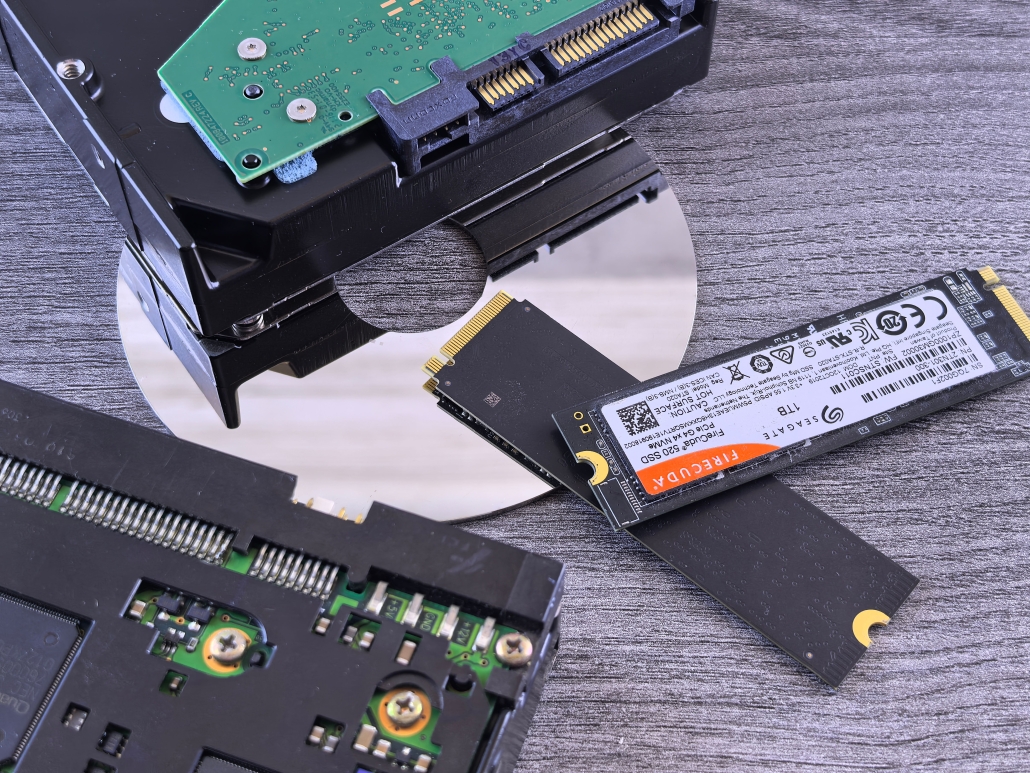
This is one of the most persistent and dangerous myths in enterprise IT management. Standard deletion and formatting do not permanently erase data. Residual data remains recoverable on storage media long after routine wipe procedures. Add this with widely available forensic tools, bad actors can reconstruct sensitive files from improperly decommissioned drives.
Certified secure data destruction, whether through Department of Defense-compliant overwriting, degaussing, or physical shredding, is the only defensible standard for enterprise-grade secure electronics recycling. Any ITAD program that does not include documented, verifiable data destruction is not a program. It is a liability.
Misconception 2: Any Electronics Recycler Can Handle Your Corporate Computer Recycling Needs
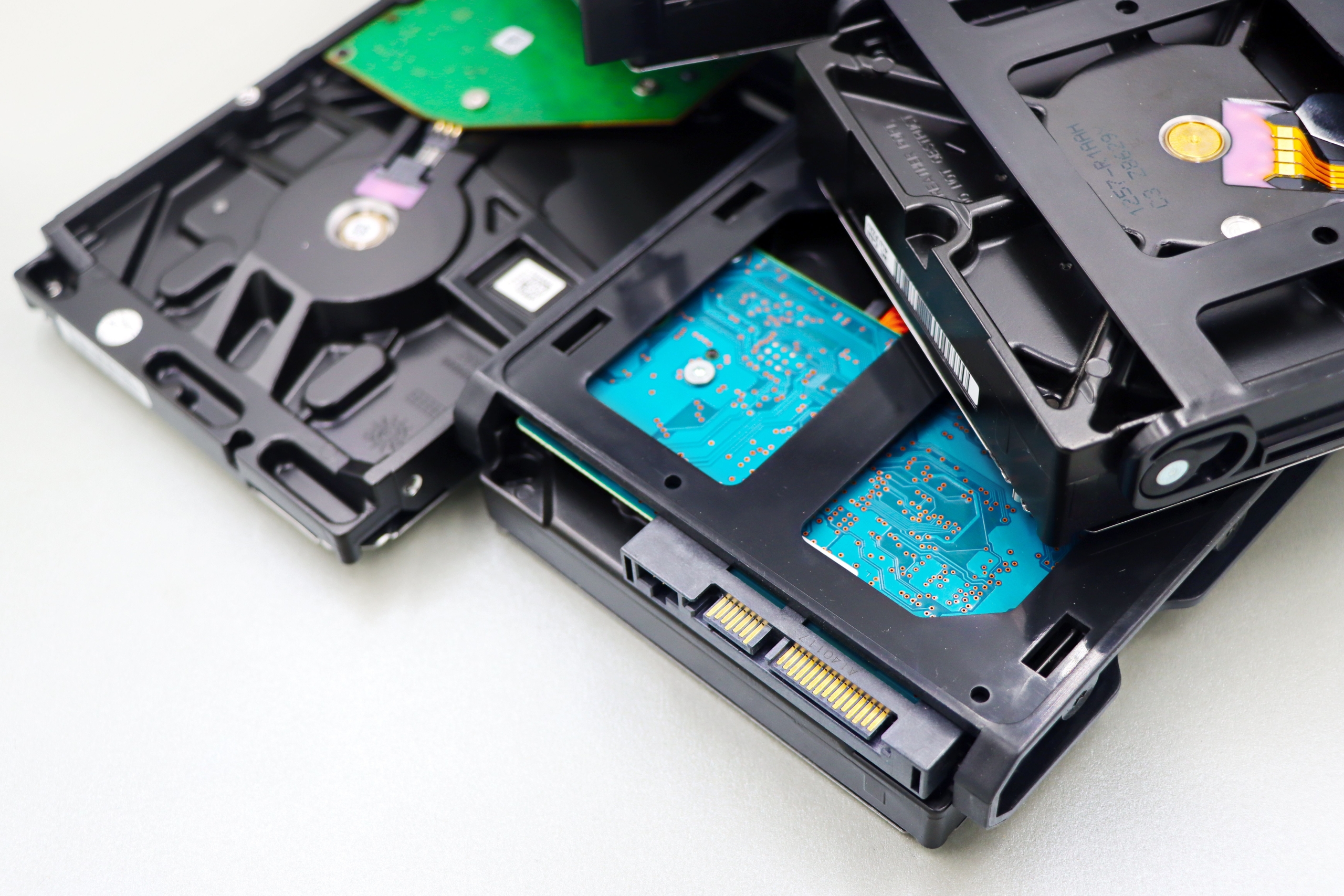
Not all recyclers are created equal. With that said, the gap between a certified ITAD provider and a general e-waste hauler is important. Corporate computer recycling at scale demands a strict chain-of-custody documentation. You would need auditable processes, and certifications such as R2 (Responsible Recycling) or e-Stewards verify responsible downstream handling.
Handing enterprise assets to an uncertified vendor creates downstream risk. Equipment can be resold with intact data, exported to unregulated markets, or disposed of in ways that violate environmental regulations. When a data breach occurs, the organization that owned the hardware bears the accountability, not the recycler.
Misconception 3: ITAD Is Only About Environmental Compliance
Environmental responsibility matters, and certified e-waste recycling is a genuine obligation under regulations like the Resource Conservation and Recovery Act (RCRA). However, reducing ITAD to a sustainability checkbox misses the bigger picture.
Effective IT asset disposition encompasses data security, financial recovery through asset remarketing, regulatory compliance under frameworks like HIPAA, SOX, and GLBA, and brand protection. Organizations that treat corporate computer recycling purely as a green initiative often neglect the data security and audit trail components that carry far greater financial and legal consequences.
Misconception 4: Older Equipment Has No Recoverable Value
Finance teams routinely write off aging IT assets at zero value and allocate budget to pay for their disposal. In many cases, this is unnecessary. End-of-life equipment, including servers, laptops, networking hardware, and workstations, can retain meaningful resale or refurbishment value. However, note that it still depends on model, condition, and current market demand.
A strategic ITAD partner will assess your hardware inventory for residual value and apply revenue from remarketing to offset overall program costs. Organizations that bypass this step forfeit recoverable capital and often pay more than necessary for electronics decommissioning services they could be partially or fully offsetting.
Misconception 5: A One-Time Disposal Event Is Enough Corporate Computer Recycling Effort
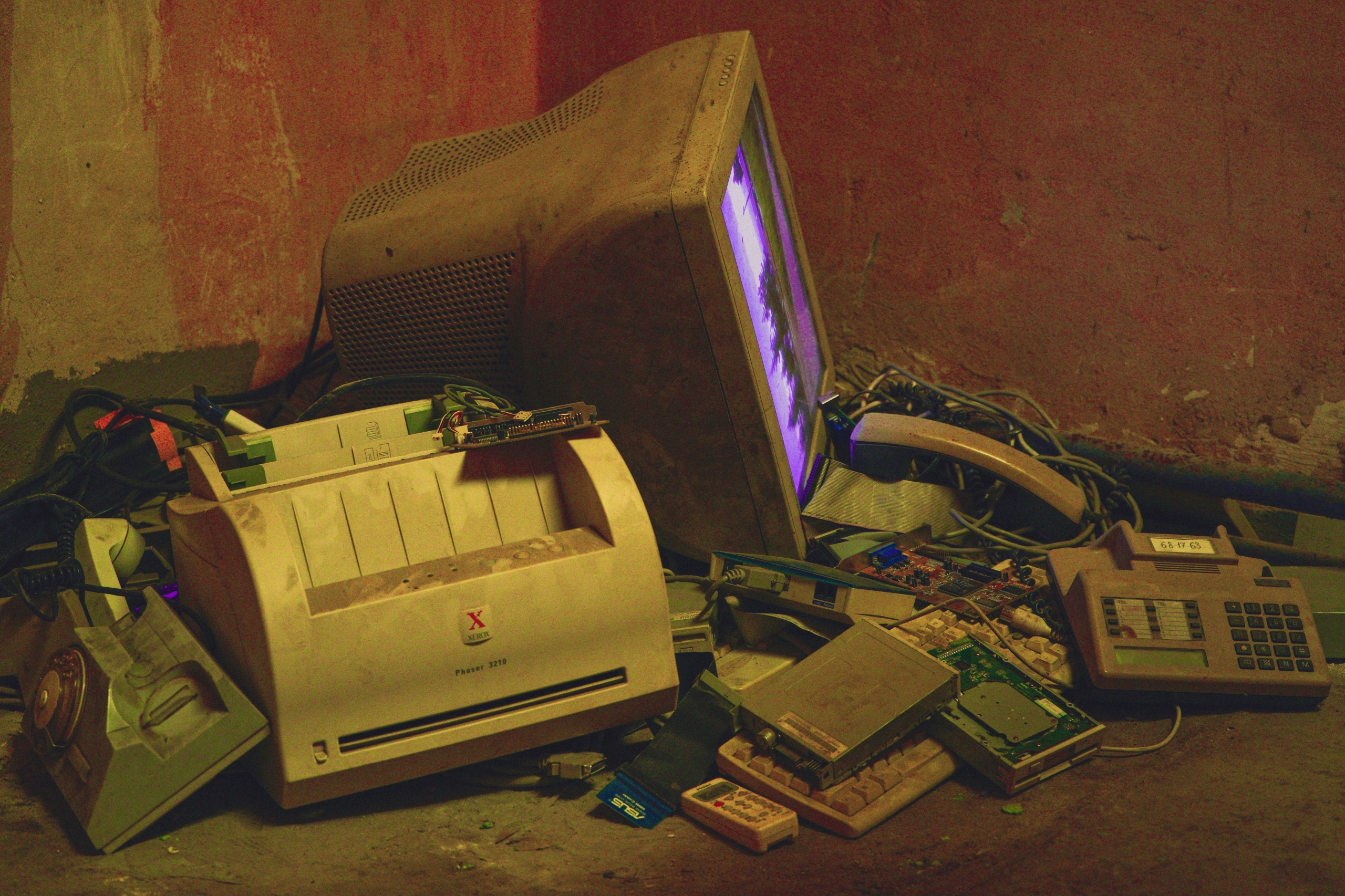
Corporate infrastructure does not age uniformly. Hardware across an enterprise reaches end-of-life on a rolling basis, and treating ITAD as a single event rather than an ongoing program creates accumulation risk, security exposure, and compliance gaps.
Devices that sit in storage closets or forgotten server rooms after decommissioning represent uncontrolled data risk. A structured, recurring corporate computer recycling program with scheduled pickups, ongoing asset tracking, and consistent documentation is the only approach that maintains a defensible security posture and satisfies audit requirements year-round.
The Cost of Getting ITAD Wrong
Data breaches originating from improperly disposed hardware are not hypothetical. They are documented, they are costly, and they are preventable. Regulatory fines, reputational damage, and litigation expenses from a single incident routinely exceed the total investment required to build a compliant ITAD program.
The organizations that avoid these outcomes are not the ones that simply recycle their computers. They are the ones that partner with certified, experienced ITAD professionals and treat enterprise IT asset management as a strategic function rather than a facilities problem.
Evaluate your current approach against these five misconceptions. The gap between where your program stands and where it needs to be is worth identifying now, before it becomes a crisis. By reaching out to our team at RAKI Computers, you can identify and avoid these misconceptions. Take the initiative and save your company from an otherwise avoidable problem.


Leave a Reply
Want to join the discussion?Feel free to contribute!