
Why Scheduled Shredding is a Must-Have for Modern Legal Departments
Summary
Discover why scheduled shredding is essential for modern legal departments. Protect client confidentiality, ensure regulatory compliance, and eliminate data breach risk with a structured document destruction program.
Scheduled shredding is crucial for legal departments that operate at the intersection of confidentiality, compliance, and risk. Every contract, deposition transcript, client file, and internal memo carries a legal and ethical weight. These considerations do not exist in other business documents. Yet one of the most persistent vulnerabilities in legal operations is also one of the most preventable: inadequate document destruction.
Shredding is no longer a best practice; it is a baseline requirement for any legal department serious about data security and regulatory compliance.
Why Scheduled Shredding is More Crucial in Legal
Law firms and in-house legal teams handle protected information governed by a dense web of regulations, such as HIPAA, FACTA, the Gramm-Leach-Bliley Act, and state bar confidentiality rules, to name a few. A single improperly discarded document can trigger a breach of attorney-client privilege, expose personally identifiable information (PII), or invite regulatory scrutiny that results in significant financial penalties and reputational damage.
The risk is not hypothetical. Document-related data breaches cost organizations an average of millions of dollars in remediation, legal defense, and lost business. For legal departments, the exposure is compounded by fiduciary obligations and the duty of care owed to clients.
What Scheduled Shredding Actually Means
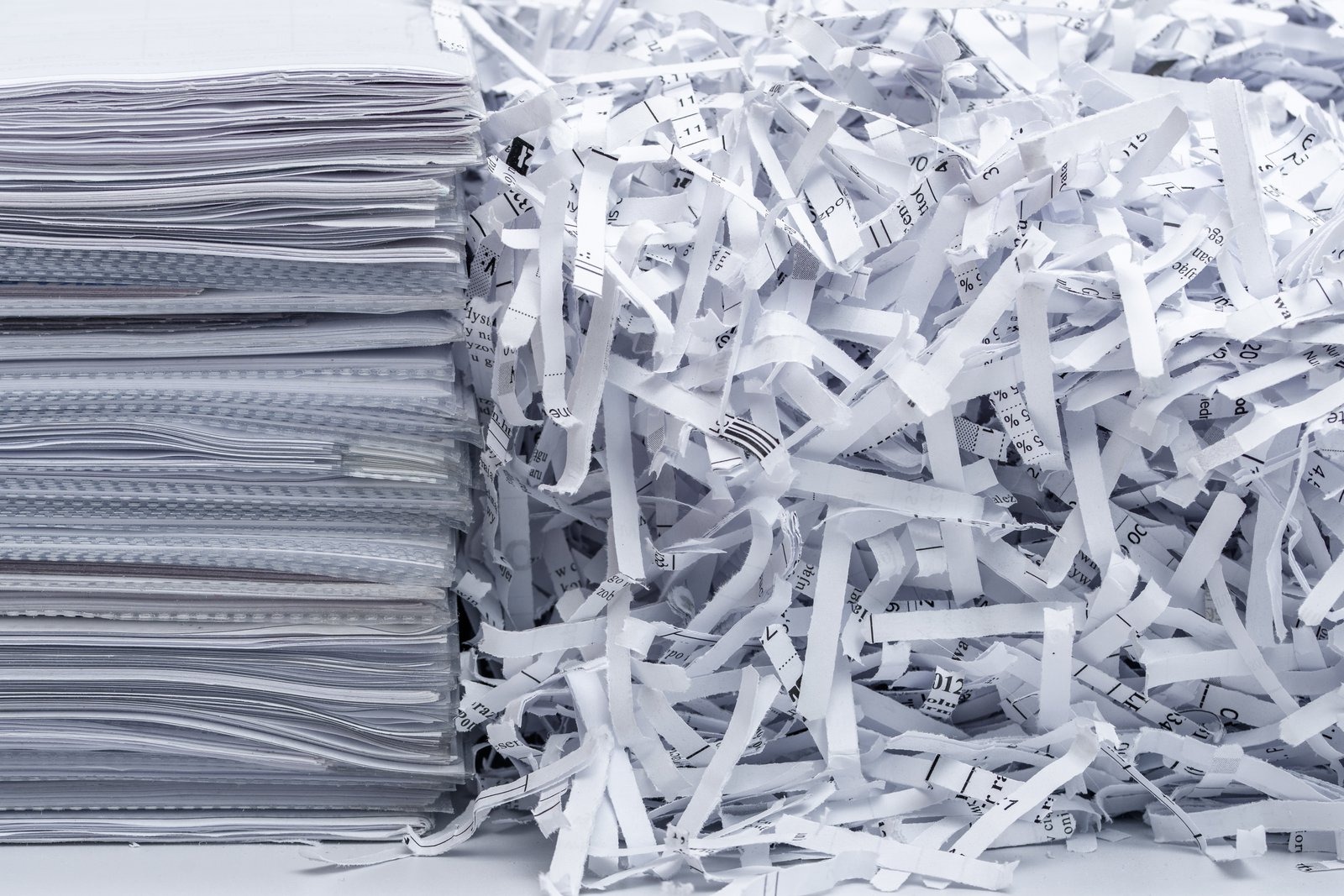
Unlike on-demand or ad hoc document destruction, a scheduled shredding program operates on a predetermined, recurring cycle. It can be weekly, bi-weekly, or monthly, which depends on the document volume and sensitivity of the organization. Secure, locked collection consoles are placed throughout the office. Also, trained, vetted professionals collect and destroy materials using industrial-grade shredders that render documents completely unrecoverable.
The result is a closed-loop, auditable destruction process that eliminates the “pile on the desk” problem that plagues so many legal offices.
Compliance Without Guesswork
Modern data destruction regulations require more than throwing documents in a recycling bin. As a matter of fact, FACTA’s Disposal Rule mandates the proper destruction of consumer report information. HIPAA’s Privacy Rule extends to any organization that handles protected health information, including legal teams managing healthcare clients. State attorney disciplinary rules require lawyers to take competent steps to protect client data, even after the representation ends.
A professional scheduled shredding service provides a Certificate of Destruction after each collection. This is a documented, timestamped record that your organization fulfilled its legal obligations. This chain of custody documentation is invaluable during audits, litigation holds, or regulatory inquiries.
Operational Efficiency as a Compliance Strategy
Beyond regulatory exposure, the operational case for scheduled shredding is compelling. Legal departments generate enormous volumes of paper: discovery materials, correspondence, drafts, billing records, and expired retention-schedule documents. Without a systematic destruction process, storage costs balloon, retrieval becomes inefficient, and the risk of sensitive documents surfacing in the wrong context grows with every passing quarter.
A scheduled shredding program integrates directly with a department’s document retention policy. Once materials have met their required retention period, they move directly into the secure destruction workflow. It then translates to having no judgment calls, no delay, no gaps.

Protecting Privilege at Every Stage
Attorney-client privilege is only as strong as the controls around it. Courts have found that privilege can be waived when organizations fail to take reasonable steps to maintain confidentiality. A recurring, documented shredding schedule demonstrates precisely that kind of reasonable precaution, a defensible, proactive posture that holds up under scrutiny.
For legal departments handling mergers and acquisitions, litigation support, employment matters, or regulatory investigations, this protection is not optional. It is foundational.
Choosing the Right Secure Document Destruction Partner
Not all paper shredding providers are equal. Legal departments should partner with a provider that is NAID AAA Certified, employs background-checked personnel, offers on-site or off-site shredding options, and provides verified Certificates of Destruction for every service event. It goes without saying that nationwide coverage matters for organizations with multiple office locations, ensuring consistent chain-of-custody standards regardless of geography.
The right partner functions as an extension of your compliance program, not just a vendor, but a documented link in your data governance chain.
Scheduled Shredding Saves You, In More Ways Than One
The calculus is straightforward. The cost of a scheduled shredding program is a known, manageable line item. After all, the cost of a data breach, a bar complaint, a HIPAA penalty, or a privilege dispute is unpredictable, potentially catastrophic, and entirely avoidable.
Modern legal departments cannot afford to leave document destruction to chance, memory, or manual processes. Scheduled shredding transforms a recurring vulnerability into a managed, compliant, and thoroughly documented strength.
The question is not whether your legal department needs a scheduled shredding program. The question is how long you can afford to operate without one. Connect with RAKI Computers today and explore scheduled shredding solution that work with your unique needs.


Leave a Reply
Want to join the discussion?Feel free to contribute!