
Custom ITAD Strategies for the Manufacturing Sector

Manufacturers today juggle sensitive intellectual property, high volumes of retired equipment, and strict regulatory pressure across multiple plant locations. ITAD, or IT Asset Disposition, gives manufacturers a structured way to retire technology securely while protecting proprietary data and recovering financial value.
Why ITAD Matters For Manufacturers
Manufacturing companies rely on advanced IT systems that store sensitive intellectual property, from proprietary designs to production data. When equipment reaches end of life, that IP remains on hard drives and controllers unless it is properly destroyed. A robust ITAD program addresses this exposure while also reducing the environmental footprint of retired factory technology.
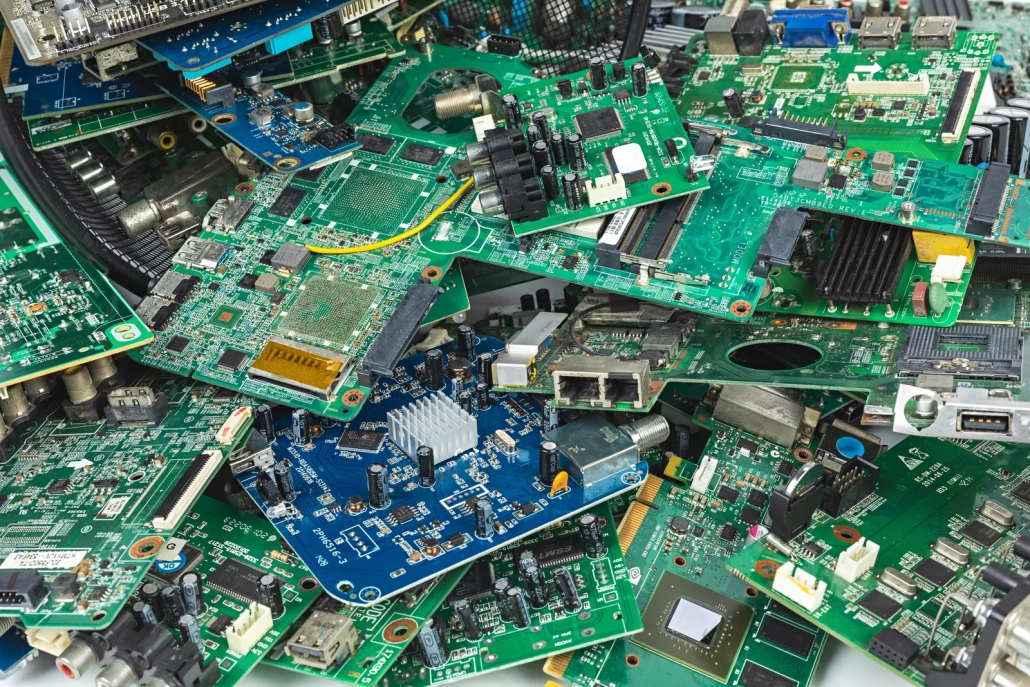
Manufacturers also face a growing volume of e-waste as production cycles accelerate and equipment refreshes become more frequent. Without a written plan, companies risk inconsistent handling of assets across departments and locations. This inconsistency creates gaps that can lead to data breaches or compliance violations.
Building A Manufacturing-Specific ITAD Plan
An effective ITAD plan is a written document that outlines exactly how a company manages assets at end of life. Manufacturers should tailor this plan to their operational realities, not adopt a generic template. Key elements to define include:
- Vendor vetting, choosing a recycler with recognized certifications and verified data destruction processes
- Data security protocols for devices that may contain proprietary manufacturing data or trade secrets
- Recall handling procedures for defective units that cannot be resold and must be processed in volume
- Inventory tracking systems that follow each asset from deployment through disposal
Plant IT teams should be involved directly in drafting this plan, and the chosen recycling partner should review it for gaps. Once finalized, the plan needs to be shared across all relevant departments so everyone understands their role.
Aligning ITAD With Production Schedules
Manufacturing operations run on tight timelines, so ITAD logistics need to fit around production without causing downtime. Refresh cycles should align with plant schedules to avoid interrupting critical operations. Assets should be tracked from the moment of pickup through final processing, giving plant managers full accountability across every facility.
Compliance documentation also plays a major role here. Manufacturers must meet OSHA and industry-specific requirements for equipment disposal, and clear records simplify audits for both facilities and end users. Reporting should be shared across internal teams and with external stakeholders to demonstrate progress on sustainability commitments.
Recovering Value From Retired Equipment
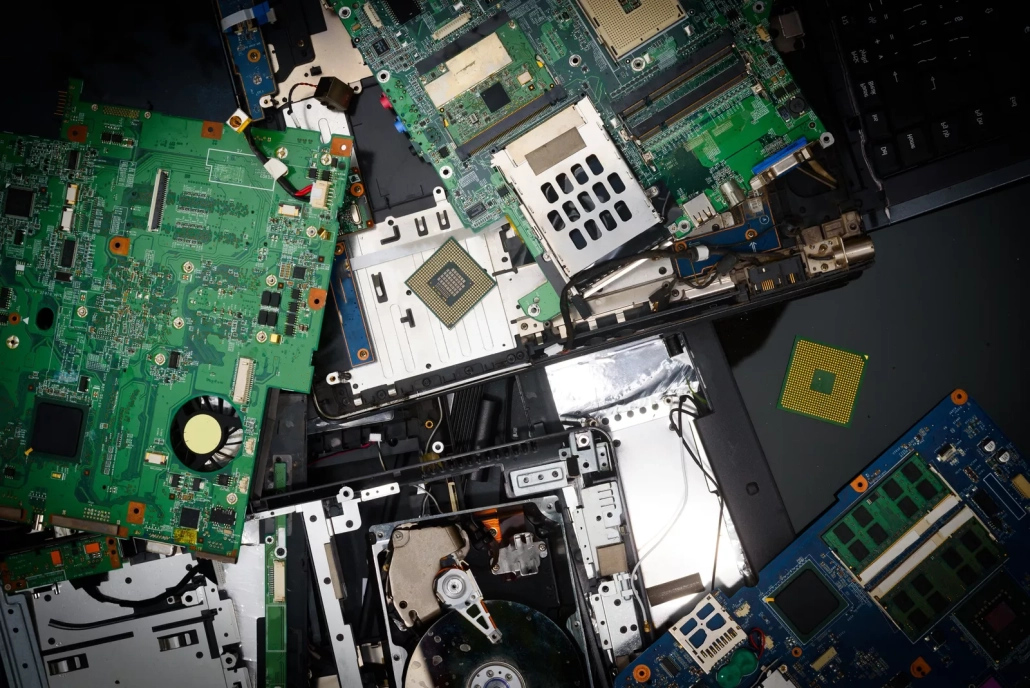
Well-executed ITAD is not just a compliance exercise. Equipment that arrives at a processing facility in good condition can qualify for certified refurbishment and resale, which offsets disposal costs. Components like memory, SSDs, and GPUs currently carry some of the highest recovery values in today’s market.
White-glove handling, where trained technicians manage on-site collection and packaging, protects equipment from the transit damage that reduces resale value. On-site data destruction before assets leave the plant adds another layer of security while supporting compliance with data handling frameworks. Detailed manifests generated for each pickup give manufacturers the audit trail needed to prove chain of custody.
| Consideration | Manufacturing Impact |
| IP exposure | Proprietary designs and production data live on retired controllers and drives |
| Multi-site logistics | Coordinated pickup needed across plant, office, and remote locations |
| Recall processing | Requires capacity to handle high-volume returned devices securely |
| Value recovery | Components like SSDs and memory yield strong resale returns |
Partnering With Raki Computers For Manufacturing ITAD
RAKI Computers delivers structured, audit-ready ITAD solutions built for the operational demands of manufacturing environments. As an R2-certified provider, RAKI supports secure data destruction, transparent reporting, and nationwide logistics coordination across single-site and multi-location manufacturers alike. Our Sort and Settle program also helps manufacturers recover value from retired equipment while reducing the administrative burden on internal teams.
If your manufacturing operation needs a customized ITAD strategy that protects your data and maximizes asset value, reach out to our team to build a plan tailored to your facilities.


Leave a Reply
Want to join the discussion?Feel free to contribute!