Inside an R2 Facility: How Professional E-waste Solutions Sort and Process Materials
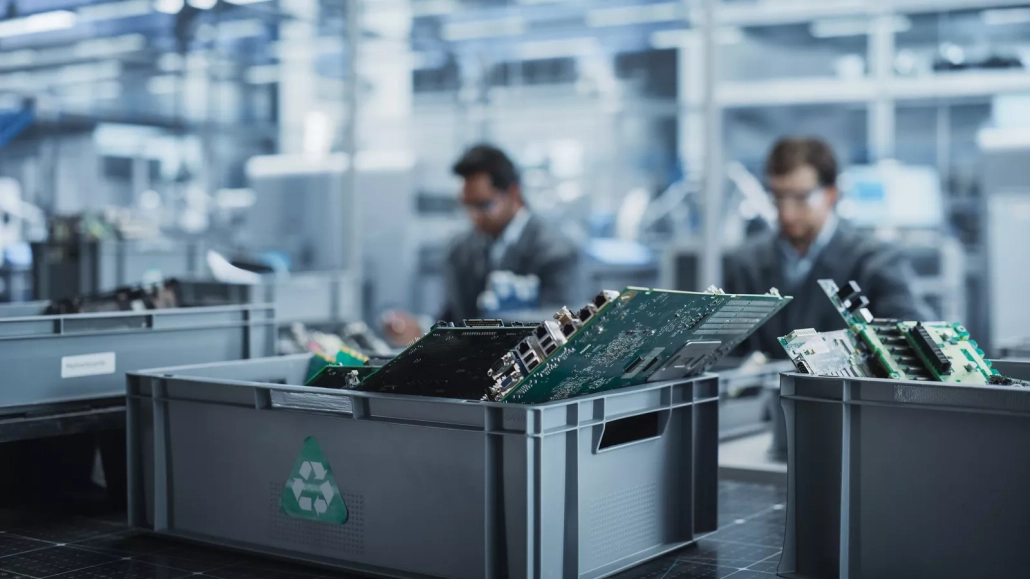
Retired electronics carry more risk than most organizations realize. Hard drives hold sensitive data. Batteries pose fire hazards. Circuit boards contain hazardous materials that require careful handling. This is why understanding what happens inside an R2 facility matters for any IT leader responsible for asset disposition.
An R2 facility follows strict, third-party-audited standards for handling electronic waste. These standards cover data security, environmental protection, and worker safety. Knowing how materials move through this process helps organizations make informed decisions about vendor selection and compliance.
What Happens Inside an R2 Facility
Every device that enters an R2 facility follows a controlled path. Nothing moves without documentation. Intake begins with scanning and logging each asset by serial number. This creates a chain of custody from the moment equipment arrives.
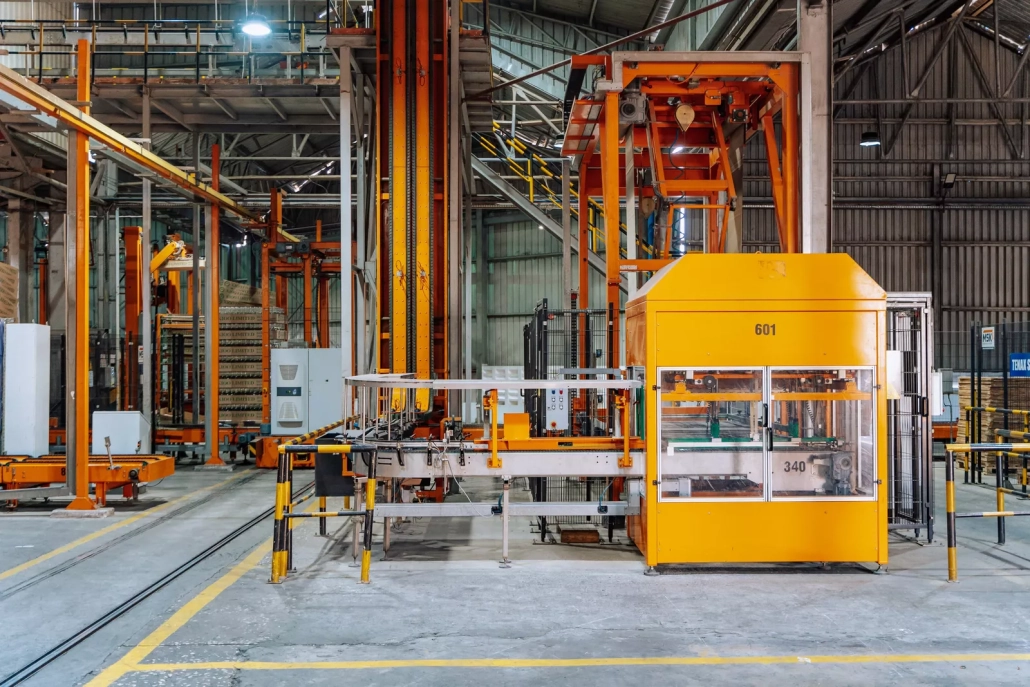
Technicians then separate devices by type and condition. Some units qualify for refurbishment and resale. Others move directly to component recovery or destruction. This early sorting step determines how each asset will be processed downstream.
Facilities also test functionality at this stage. A laptop that still works may follow a very different path than one with a failed motherboard. This distinction affects both data security procedures and environmental handling requirements.
Why R2 Facility Certification Matters for Compliance
R2 certification, managed by SERI, sets requirements for environmental management, data security, and worker health and safety. Facilities must pass regular audits to maintain this certification. This gives organizations a verifiable standard to point to during compliance reviews.
For IT decision-makers, this certification reduces liability. It shows regulators and stakeholders that retired assets were handled responsibly. It also supports internal governance policies that require documented, standardized disposal practices.
Without this level of oversight, organizations risk improper disposal. Improper disposal can lead to data breaches, environmental fines, or reputational damage. Certification provides a layer of accountability that self-managed disposal cannot match.
How Sorting Protects Data Security
Sorting is not just about efficiency. It is a critical control point for data security. Devices containing storage media are separated immediately and flagged for destruction or sanitization.
Common categories include:
- Hard drives and solid-state drives requiring shredding or wiping
- Mobile devices and tablets with embedded storage
- Servers and networking equipment holding configuration data
- Removable media such as USB drives and backup tapes
Each category follows a specific protocol. Drives may be wiped using certified software, degaussed, or physically destroyed. Facilities document every method used and generate certificates of destruction. This documentation becomes essential during audits or regulatory reviews.
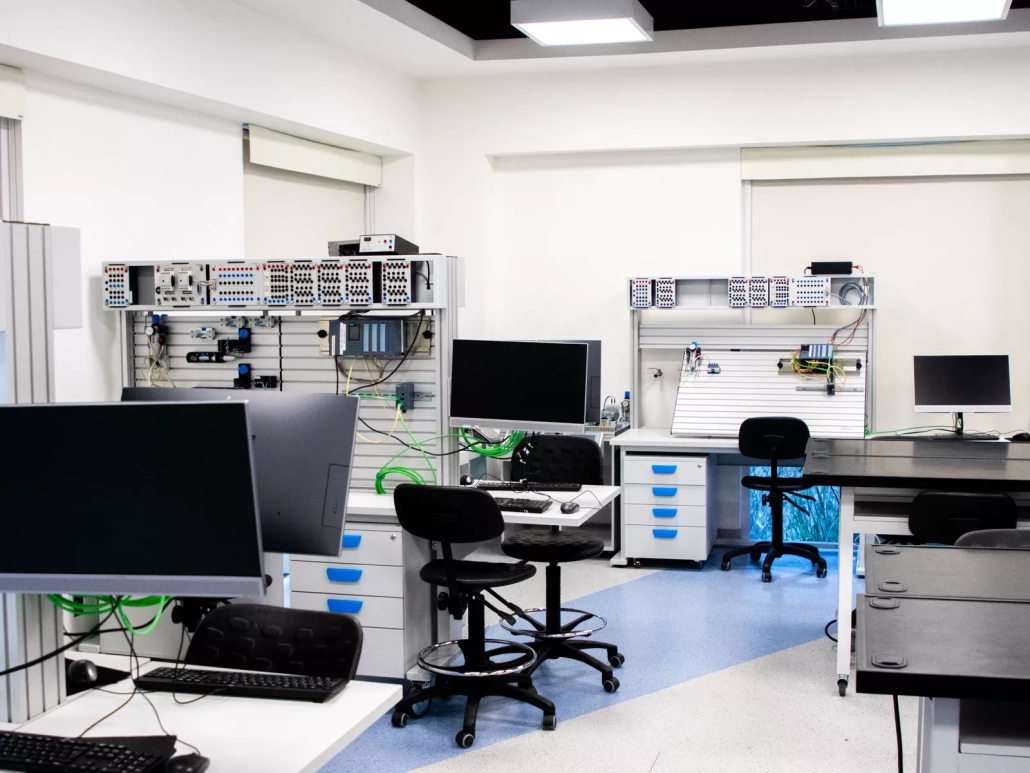
Proper sorting also prevents cross-contamination between data-bearing devices and non-data devices. This reduces the chance of oversight or human error during high-volume processing.
Processing Materials for Value Recovery and Sustainability
Once data security steps are complete, materials move into processing. This stage focuses on maximizing recovery and minimizing environmental impact. Precious metals, plastics, and glass are separated using specialized equipment.
Functional components may be harvested for reuse. This supports the secondary parts market and reduces demand for newly mined materials. Non-functional materials are broken down further for recycling through certified downstream partners.
R2 facilities track every downstream vendor. This ensures materials do not end up in landfills or unregulated markets overseas. Full traceability protects organizations from unknowingly contributing to environmental harm.
Companies like RAKI Computers operate R2-certified facilities that combine this level of processing with nationwide logistics. This allows organizations with multiple locations to consolidate disposition under one standardized, auditable program.
Partner With a Trusted R2 Facility Nationwide
You need more than a vendor. You need a partner who understands compliance, security, and sustainability at scale. RAKI Computers delivers R2-certified processing backed by transparent reporting and audit-ready documentation.
Your retired IT assets deserve the same level of care as your active infrastructure. You can reduce risk, recover value, and simplify logistics with a program built around accountability.
Contact RAKI Computers today to learn how a certified R2 facility can support your organization’s compliance and sustainability goals.


Leave a Reply
Want to join the discussion?Feel free to contribute!