The Operational Benefits of Centralizing Asset Disposition for National Organizations

Organizations with locations spread across multiple states face a common headache: managing end-of-life IT equipment consistently. Asset disposition becomes exponentially harder when every site uses a different local vendor, follows its own process, and generates separate paperwork. Centralizing this function under a single, nationwide program solves these fragmentation problems while unlocking real operational and financial gains.
Why Fragmented Asset Disposition Creates Risk
When national organizations rely on regional or local vendors for IT asset disposition, results become inconsistent across sites. One location might follow strict data destruction protocols while another cuts corners, creating uneven compliance exposure. This patchwork approach also makes it difficult to compile complete, audit-ready documentation when regulators or internal auditors come calling.
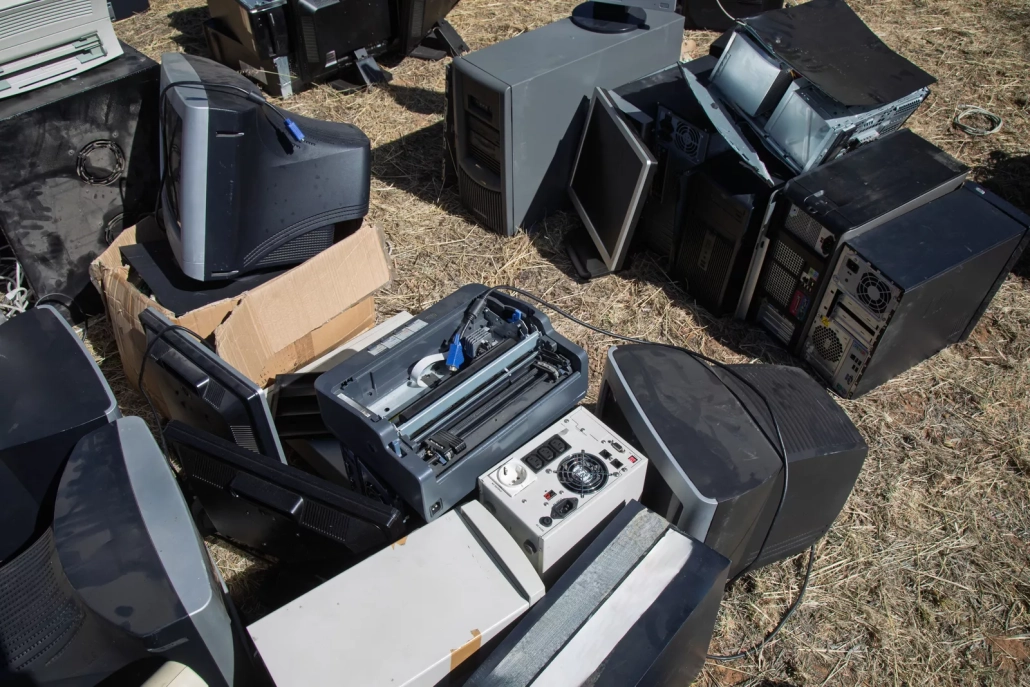
Local vendor problems compound as company footprints grow. Every new site added means another vendor relationship to manage, another set of processes to monitor, and another gap where data security could fail. For IT leaders already stretched thin, this decentralized model adds unnecessary operational burden.
Centralized Tracking Improves Visibility and Compliance
A centralized system captures data from every asset collected across every site and feeds it into one real-time inventory platform. This single source of truth means IT decision-makers can see exactly what equipment exists, where it is, and its disposition status at any moment. Centralized platforms also build compliance directly into the workflow, tracking each action so every step is fully documented and auditable.
That documentation matters because mishandled disposal can lead to fines, data breaches, or environmental liability. Detailed inventory reporting, complete with manufacturer, model, and serial number data, supports faster and more accurate responses to audit inquiries. Organizations gain the confidence that their disposition program can withstand regulatory scrutiny at any location, at any time.
Asset Disposition Consolidation Reduces Cost and Complexity
Working with a single nationwide provider instead of dozens of regional vendors simplifies the entire disposition process. Centralized asset disposition reduces total cost of ownership by eliminating redundant contracts, duplicate paperwork, and inconsistent pricing structures across sites. It also cuts down on the overhead tied to managing multiple vendor relationships and reconciling conflicting reports.
Efficiency gains extend beyond cost. A single-vendor model scales naturally as an organization adds locations, so growth does not multiply administrative burden. This consolidation frees internal IT teams from chasing vendors site by site, letting them focus on higher-value work instead of logistics coordination.
Maximizing Value Recovery Across Locations
Centralized programs do more than reduce risk. They actively help organizations recover more value from retired equipment. Centralized platforms provide market insights, recommend optimal pricing, and can facilitate competitive processes to secure the highest possible return on assets.
Consistent handling across sites also protects equipment condition, which directly affects resale value. Well-managed collection and packaging prevent transit damage that would otherwise reduce residual value in refurbishment or resale programs.
The table below summarizes how centralized asset disposition compares to a fragmented, site-by-site approach.
| Factor | Fragmented (site-by-site) | Centralized asset disposition |
| Compliance documentation | Inconsistent across vendors | Standardized, audit-ready records |
| Data security | Variable protocols by location | Uniform data destruction standards |
| Vendor management | Multiple contracts, added complexity | Single nationwide vendor |
| Value recovery | Inconsistent outcomes | Optimized pricing and remarketing |
| Visibility into assets | Fragmented across systems | Real-time centralized inventory |
How RAKI Computers Supports Centralized Programs
RAKI Computers provides centralized and coordinated services designed specifically for organizations managing IT assets across multiple locations. The company’s nationwide logistics capabilities, combined with a fully certified process and complete audit trail, help organizations maintain consistent security and compliance from site to site. RAKI also offers white-glove service, where trained technicians handle on-site collection and, when needed, on-site data destruction before equipment ever leaves the facility.
This structure gives national organizations a single point of accountability rather than a patchwork of regional relationships. Detailed manifests, certificates of destruction, and settlement reporting support both compliance requirements and value recovery goals across every location RAKI serves.
Take Control of Your Nationwide Disposition Program
If your organization manages IT assets across multiple sites, you already know how quickly disposition can become disorganized and risky. Centralizing this process gives you consistent security, clear documentation, and a stronger return on retired equipment.
Reach out to RAKI Computers today to build a coordinated asset disposition strategy for your entire organization.


Leave a Reply
Want to join the discussion?Feel free to contribute!