Choosing the Most Reliable Secure Data Destruction Methods for Flash Storage

Summary
Flash storage requires specialized secure data destruction techniques. Discover which methods meet NIST, HIPAA, and DoD compliance standards.
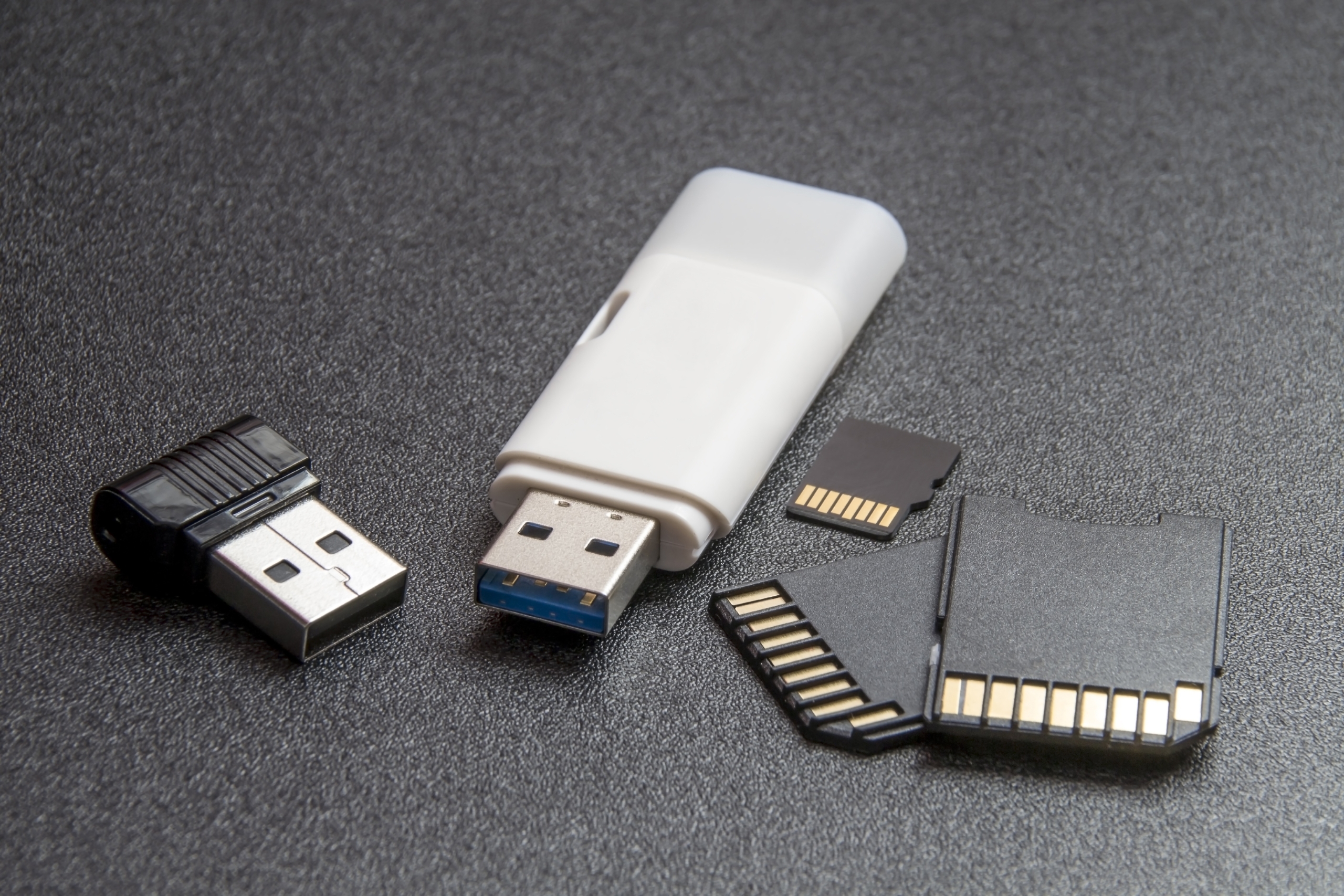
Flash storage has become the backbone of modern enterprise infrastructure. Solid-state drives, NVMe drives, USB flash drives, and embedded flash chips now hold some of the most sensitive data an organization possesses. But when these devices reach end of life, the rules for safe retirement are fundamentally different from those that apply to traditional hard disk drives.
Choosing the right secure data destruction method for flash storage is not just a best practice. It is a compliance requirement, a fiduciary obligation, and a critical component of any mature IT asset disposition strategy.
Why Flash Storage Demands a Different Approach
Traditional overwrite methods, which were effective for magnetic media, are largely unreliable on flash-based devices. Flash memory uses wear-leveling algorithms that distribute write operations across memory cells to extend the drive’s lifespan. As a result, standard overwriting tools may never reach all sectors where data previously resided, leaving residual data intact and recoverable.
This means that organizations relying on conventional data wiping software to sanitize SSDs or other flash media are exposing themselves to significant risk. The stakes are especially high for enterprises in regulated industries. This includes businesses in healthcare, finance, government, and legal services. Note that data breach consequences extend beyond reputational damage to serious regulatory penalties in these fields.
Proven Secure Data Destruction Methods for Flash Storage
Cryptographic Erasure
Cryptographic erasure, also known as crypto-shredding, is one of the most efficient data sanitization methods available for flash storage. In this approach, data encryption happens during writing using a strong encryption key. When the time comes, the handler permanently deletes or disables the key instead of the data itself, making it inaccessible.
Without the encryption key, the remaining data is computationally unrecoverable. The NIST Special Publication 800-88 recognizes this method as an approved sanitization technique. Additionally, users find this technique ideal for self-encrypting drives and cloud-based flash storage environments.
Best for: Self-encrypting SSDs, NVMe drives, and encrypted flash arrays where performance and speed are priorities.
Block Erase and Sanitize Commands
Many modern SSDs and flash storage devices support hardware-level erase commands. The ATA Sanitize Device command and the NVMe Format NVM command can instruct the drive’s internal controller to purge all accessible storage blocks. This includes those affected by wear-leveling and spare area management.
When executed correctly, these commands clear data from locations that software-level overwrites cannot reach. This method also complies with NIST 800-88 guidelines. IT teams can use it for redeployed or remarketed devices after sanitization.
Best for: Enterprise SSDs and NVMe drives being prepared for reuse or resale.
Degaussing (Limited Applicability)
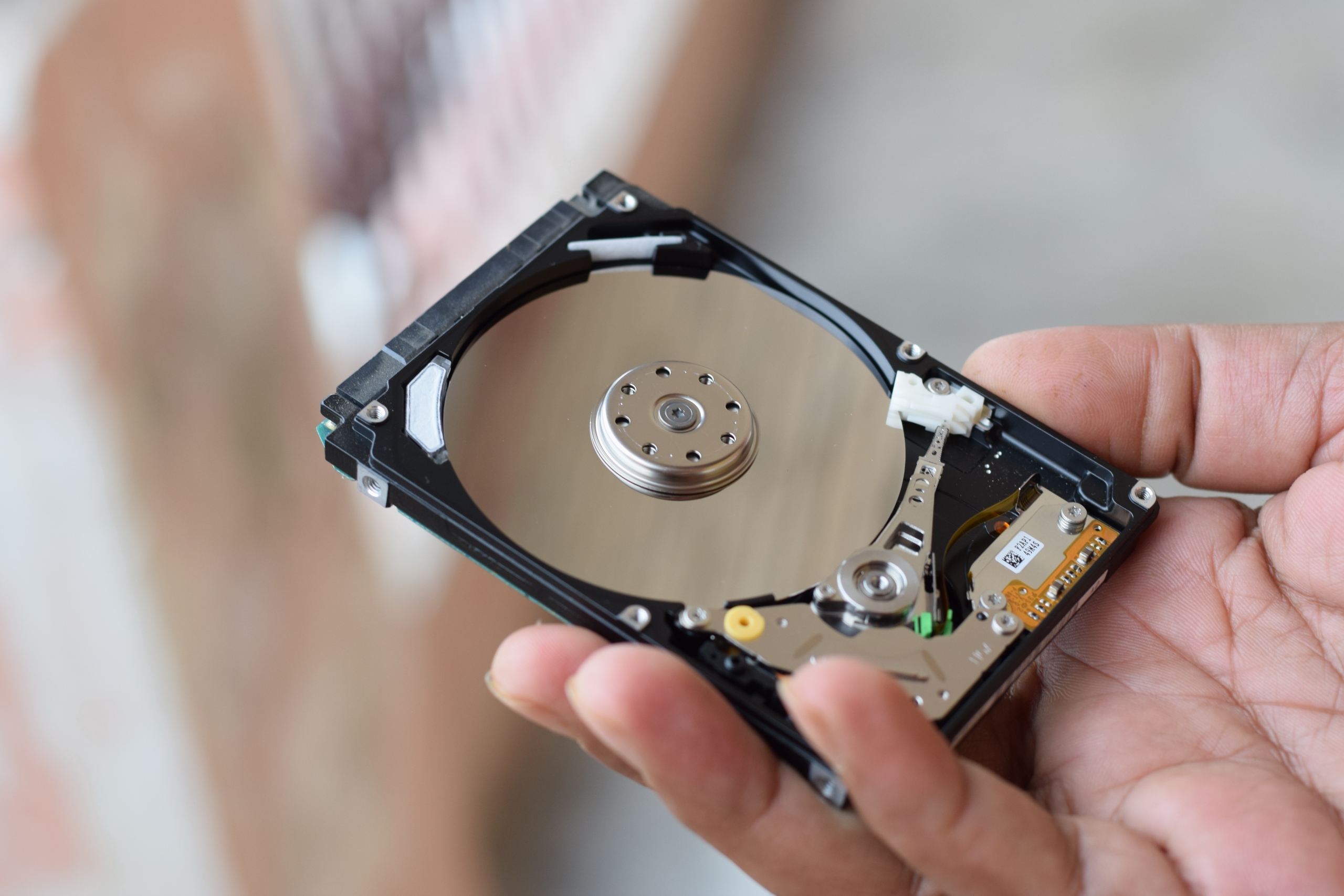
Degaussing uses a powerful magnetic field to erase data. It is highly effective for traditional magnetic hard drives but largely ineffective for flash storage. Flash memory stores data using electrical charges rather than magnetic fields, making degaussers unable to neutralize the data.
Organizations that default to degaussing for all end-of-life media are creating a significant security blind spot for their flash-based assets.
Physical Destruction
When data sensitivity is at its highest, or when a device cannot be reliably sanitized through software or hardware commands, physical destruction remains the most definitive form of secure data destruction. This typically involves shredding, crushing, or disintegrating the flash storage media into particles too small to allow data recovery.
Physical destruction is the preferred approach under many government and defense frameworks, including Department of Defense standards. This is because it eliminates any possibility of residual data recovery. Physical destruction is also the appropriate end-state for devices that have sustained physical damages. This also works for devices that have lost encryption, or otherwise unable to support software-based sanitization.
Best for: Highly sensitive data environments, damaged or non-functional flash devices, and compliance-driven destruction requirements.
Compliance Frameworks That Govern Flash Storage Sanitization
Regulatory standards provide clear guidance on acceptable secure data destruction practices for flash media. Organizations should be familiar with the following:
NIST SP 800-88 Rev. 1: The authoritative federal standard for media sanitization, covering clear, purge, and destroy categories for flash-based devices.
HIPAA: Requires covered entities to implement proper data sanitization procedures for any media containing protected health information, including flash storage.
DoD 5220.22-M: While primarily applicable to government contractors, this standard is widely referenced in enterprise data destruction policies.
R2 and e-Stewards Certifications: Industry-recognized certifications for responsible electronics recycling that include data destruction requirements.
Selecting a data destruction partner with demonstrated expertise in these frameworks ensures that your organization maintains chain-of-custody documentation and audit-ready certificates of destruction for every asset processed.
Building a Reliable Flash Storage Destruction Policy
A secure data destruction program is only as strong as its consistency. Organizations that handle end-of-life flash storage need documented policies that specify which sanitization method applies to which device class, how assets are tracked from collection through destruction, and what verification and reporting processes are in place.
Partnering with a certified IT asset disposition provider allows enterprises to scale this process without compromising compliance. Certified ITAD partners can execute appropriate destruction methods, provide serialized certificates of destruction, and ensure that all downstream handling of flash media meets applicable environmental and data security standards.
The Cost of Getting It Wrong
Data breaches involving improperly retired storage media are preventable but alarmingly common. Research has repeatedly demonstrated that used storage devices purchased through secondary markets contain recoverable sensitive data at a concerning rate. For enterprises, the downstream liability from a single improperly retired flash drive can far exceed the cost of a comprehensive data destruction program.
A disciplined approach to secure data destruction is an investment in operational continuity, regulatory standing, and stakeholder trust.
If your organization is ready to implement a certified, compliance-driven approach to flash storage data destruction, our team is here to help. Connect with RAKI Computers today and speak with a specialist who can assess your current media disposition process and recommend the right solution for your environment.

Leave a Reply
Want to join the discussion?Feel free to contribute!