
 https://www.rakicomp.com/wp-content/uploads/2026/08/shutterstock-2556420249_9df8308d1b1bdca4d05318eb1f6d2b32_1600.webp
900
1600
MultiviewCSPosting
https://www.rakicomp.com/wp-content/uploads/2024/05/Raki-logo-website.png
MultiviewCSPosting2026-08-14 09:00:412026-08-03 20:42:41Inside an R2 Facility: How Professional E-waste Solutions Sort and Process Materials
https://www.rakicomp.com/wp-content/uploads/2026/08/shutterstock-2556420249_9df8308d1b1bdca4d05318eb1f6d2b32_1600.webp
900
1600
MultiviewCSPosting
https://www.rakicomp.com/wp-content/uploads/2024/05/Raki-logo-website.png
MultiviewCSPosting2026-08-14 09:00:412026-08-03 20:42:41Inside an R2 Facility: How Professional E-waste Solutions Sort and Process Materials https://www.rakicomp.com/wp-content/uploads/2026/08/shutterstock-2284104165_9aa6df829600dcf458691110a864dcdd_1600.webp
1067
1600
MultiviewCSPosting
https://www.rakicomp.com/wp-content/uploads/2024/05/Raki-logo-website.png
MultiviewCSPosting2026-08-12 09:00:292026-08-03 20:11:40Custom ITAD Strategies for the Manufacturing Sector
https://www.rakicomp.com/wp-content/uploads/2026/08/shutterstock-2284104165_9aa6df829600dcf458691110a864dcdd_1600.webp
1067
1600
MultiviewCSPosting
https://www.rakicomp.com/wp-content/uploads/2024/05/Raki-logo-website.png
MultiviewCSPosting2026-08-12 09:00:292026-08-03 20:11:40Custom ITAD Strategies for the Manufacturing Sector https://www.rakicomp.com/wp-content/uploads/2026/08/feature.webp
1067
1600
MultiviewCSPosting
https://www.rakicomp.com/wp-content/uploads/2024/05/Raki-logo-website.png
MultiviewCSPosting2026-08-10 09:00:362026-08-03 19:51:00The Manager’s Checklist for a Successful Electronics Pickup and Corporate E-waste Event
https://www.rakicomp.com/wp-content/uploads/2026/08/feature.webp
1067
1600
MultiviewCSPosting
https://www.rakicomp.com/wp-content/uploads/2024/05/Raki-logo-website.png
MultiviewCSPosting2026-08-10 09:00:362026-08-03 19:51:00The Manager’s Checklist for a Successful Electronics Pickup and Corporate E-waste Event https://www.rakicomp.com/wp-content/uploads/2026/08/img-featured-8726.webp
1067
1600
MultiviewCSPosting
https://www.rakicomp.com/wp-content/uploads/2024/05/Raki-logo-website.png
MultiviewCSPosting2026-08-07 09:00:392026-08-03 18:10:46The Operational Benefits of Centralizing Asset Disposition for National Organizations
https://www.rakicomp.com/wp-content/uploads/2026/08/img-featured-8726.webp
1067
1600
MultiviewCSPosting
https://www.rakicomp.com/wp-content/uploads/2024/05/Raki-logo-website.png
MultiviewCSPosting2026-08-07 09:00:392026-08-03 18:10:46The Operational Benefits of Centralizing Asset Disposition for National Organizations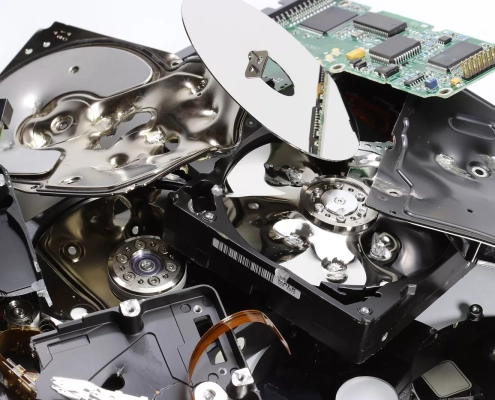 https://www.rakicomp.com/wp-content/uploads/2026/08/image-featured-8526.webp
1067
1600
MultiviewCSPosting
https://www.rakicomp.com/wp-content/uploads/2024/05/Raki-logo-website.png
MultiviewCSPosting2026-08-05 09:00:302026-08-03 17:47:21Why A Certificate of Destruction Are Essential for Audit-Ready IT Asset Disposition
https://www.rakicomp.com/wp-content/uploads/2026/08/image-featured-8526.webp
1067
1600
MultiviewCSPosting
https://www.rakicomp.com/wp-content/uploads/2024/05/Raki-logo-website.png
MultiviewCSPosting2026-08-05 09:00:302026-08-03 17:47:21Why A Certificate of Destruction Are Essential for Audit-Ready IT Asset Disposition https://www.rakicomp.com/wp-content/uploads/2026/08/shutterstock-2138677687_2d8d86c5d554997ee525f61b10cf206b_1600.webp
1067
1600
MultiviewCSPosting
https://www.rakicomp.com/wp-content/uploads/2024/05/Raki-logo-website.png
MultiviewCSPosting2026-08-03 17:22:222026-08-03 17:22:22What Market Factors Currently Affect the Value of Used Enterprise Tech?
https://www.rakicomp.com/wp-content/uploads/2026/08/shutterstock-2138677687_2d8d86c5d554997ee525f61b10cf206b_1600.webp
1067
1600
MultiviewCSPosting
https://www.rakicomp.com/wp-content/uploads/2024/05/Raki-logo-website.png
MultiviewCSPosting2026-08-03 17:22:222026-08-03 17:22:22What Market Factors Currently Affect the Value of Used Enterprise Tech? https://www.rakicomp.com/wp-content/uploads/2026/07/shutterstock-501766738_bccf660467827aec02982fbeccde52b3-scaled.jpg
1707
2560
raki-admin
https://www.rakicomp.com/wp-content/uploads/2024/05/Raki-logo-website.png
raki-admin2026-07-31 10:00:332026-07-27 19:16:26Using IT Asset Recovery to Support Community Connectivity and Environmental Responsibility
https://www.rakicomp.com/wp-content/uploads/2026/07/shutterstock-501766738_bccf660467827aec02982fbeccde52b3-scaled.jpg
1707
2560
raki-admin
https://www.rakicomp.com/wp-content/uploads/2024/05/Raki-logo-website.png
raki-admin2026-07-31 10:00:332026-07-27 19:16:26Using IT Asset Recovery to Support Community Connectivity and Environmental Responsibility https://www.rakicomp.com/wp-content/uploads/2026/07/shutterstock-2556420017_0fdee37efcd6c333739f016b8c38c387-scaled.jpg
1440
2560
raki-admin
https://www.rakicomp.com/wp-content/uploads/2024/05/Raki-logo-website.png
raki-admin2026-07-29 10:00:302026-07-27 19:13:12How to Meet EPA Standards for Large-Scale Corporate Recycling
https://www.rakicomp.com/wp-content/uploads/2026/07/shutterstock-2556420017_0fdee37efcd6c333739f016b8c38c387-scaled.jpg
1440
2560
raki-admin
https://www.rakicomp.com/wp-content/uploads/2024/05/Raki-logo-website.png
raki-admin2026-07-29 10:00:302026-07-27 19:13:12How to Meet EPA Standards for Large-Scale Corporate Recycling https://www.rakicomp.com/wp-content/uploads/2026/07/shutterstock-1735805312_40010d83a4e7046641d3db7e55ebceab-scaled.jpg
1707
2560
raki-admin
https://www.rakicomp.com/wp-content/uploads/2024/05/Raki-logo-website.png
raki-admin2026-07-27 19:09:292026-07-27 19:09:29Why “Ghost Assets” in Your Inventory Are a Massive Security Vulnerability
https://www.rakicomp.com/wp-content/uploads/2026/07/shutterstock-1735805312_40010d83a4e7046641d3db7e55ebceab-scaled.jpg
1707
2560
raki-admin
https://www.rakicomp.com/wp-content/uploads/2024/05/Raki-logo-website.png
raki-admin2026-07-27 19:09:292026-07-27 19:09:29Why “Ghost Assets” in Your Inventory Are a Massive Security Vulnerability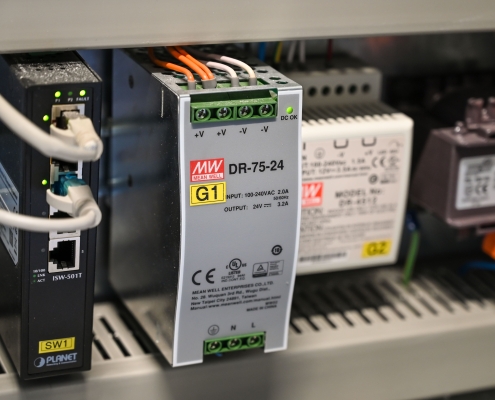 https://www.rakicomp.com/wp-content/uploads/2026/07/pexels-vladimirsrajber-19841116_77f236ddcf3ca0ee789367f0dff33ba1-scaled.jpg
1703
2560
raki-admin
https://www.rakicomp.com/wp-content/uploads/2024/05/Raki-logo-website.png
raki-admin2026-07-24 10:00:352026-07-13 15:46:43Recovering Financial Value from Obsolete UPS and Power Infrastructure
https://www.rakicomp.com/wp-content/uploads/2026/07/pexels-vladimirsrajber-19841116_77f236ddcf3ca0ee789367f0dff33ba1-scaled.jpg
1703
2560
raki-admin
https://www.rakicomp.com/wp-content/uploads/2024/05/Raki-logo-website.png
raki-admin2026-07-24 10:00:352026-07-13 15:46:43Recovering Financial Value from Obsolete UPS and Power Infrastructure