Staying Ahead of New Data Privacy Laws Through Certified Processes

Summary
New data privacy laws expand every year across US states. Learn how certified ITAD processes keep your organization audit-ready and compliant.
New data privacy laws now cover more than twenty states, and enforcement activity has climbed sharply in recent quarters. Retired hardware, backup media, and paper records all fall under statutory obligations for secure destruction and documentation. Weak disposal workflows create direct exposure to regulatory penalties and mandatory breach notifications.
According to the International Association of Privacy Professionals, 19 states currently have comprehensive consumer data privacy laws on the books. Enforcement extends to any organization touching resident data, regardless of where your headquarters sits. Certified disposition processes give your compliance team defensible evidence when regulators or auditors request records.
How Do Certified Processes Help You Comply With New Data Privacy Laws?
Certified processes align your hardware and document disposal workflow with recognized industry standards for data destruction and chain of custody. Certifications such as R2v3, National Association for Information Destruction (NAID) AAA, and ISO 27001 signal that your vendor operates under audited controls. Independent certification produces the documentation regulators expect during inquiries or breach investigations.
Why New Data Privacy Laws Now Reach Retired Hardware
New data privacy laws in the United States now define personal data broadly enough to include information stored on retired hardware and paper records. Statutory duties cover collection, use, retention, and secure disposal across the entire data lifecycle. Furthermore, most state frameworks impose direct liability on businesses that fail to sanitize storage media before disposal.
According to the law firm Mayer Brown, several states expanded the scope of their privacy frameworks in 2025, raising the compliance burden for organizations. Amendments in Connecticut, Colorado, and Virginia introduced stricter obligations tied to sensitive data handling. Meanwhile, enforcement agencies have shifted from guidance-only postures to active investigations with financial penalties.
Retention schedules under most state privacy statutes require timely disposal of personal data no longer needed for business purposes. Additionally, breach notification triggers can activate when unsanitized drives leave your custody through uncertified channels.
You should audit every disposal pathway against your written retention policy at least annually. Working with a certified partner handling secure data destruction creates the evidence chain regulators expect during investigations.
Understanding the Certifications That Anchor Compliance
Certifications create the audit trail that connects your disposal workflow to regulatory expectations under new data privacy laws. Recognized standards define technical controls, personnel screening, facility security, and destruction verification. Furthermore, certified vendors carry independent audits that stand up during regulatory review.
Certifications to Verify Before Signing a Vendor
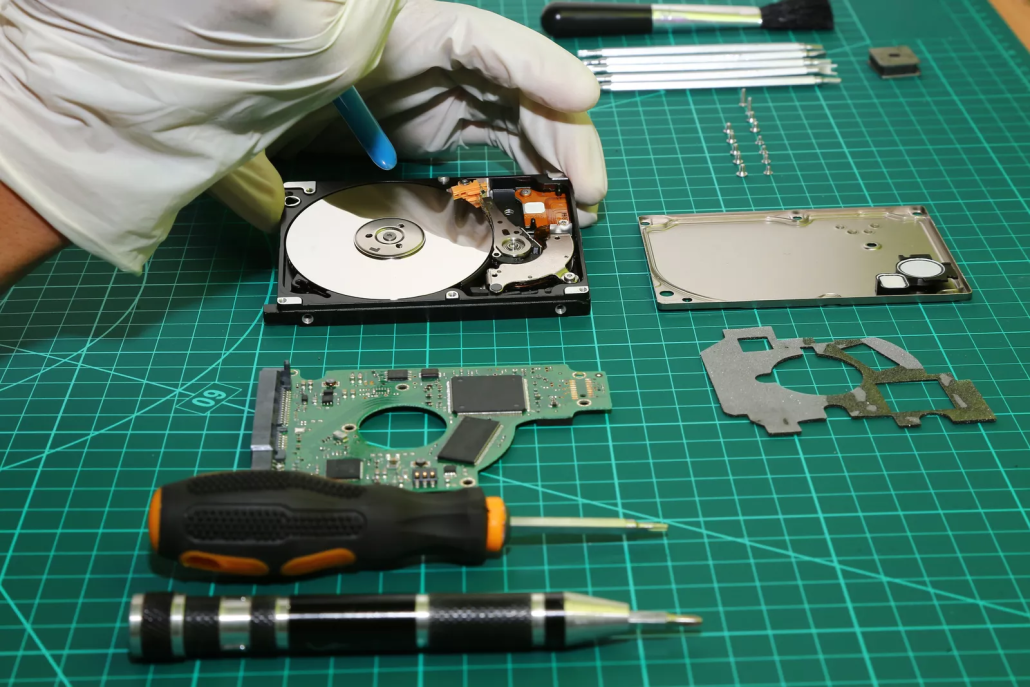
You should confirm the following certifications and evidence when evaluating a data destruction or IT Asset Disposition (ITAD) partner:
- Responsible Recycling (R2v3) for electronics recycling and downstream vendor accountability
- National Association for Information Destruction (NAID) AAA for physical destruction service quality
- ISO 27001 for information security management across the vendor operation
- ISO 14001 for environmental management systems and downstream tracking
- Sustainable Electronics Recycling International (SERI) certified processing documentation
According to Sustainable Electronics Recycling International, R2v3 sets the leading global standard for responsible electronics recycling and refurbishment practices. Vendors carrying current R2v3 certification undergo independent audits covering data sanitization, facility security, and downstream vendor management.
You may also review a certified provider’s published certifications page as part of your due diligence checklist. Documentation should reference the certifying body, effective dates, and audit scope.
Building Documentation That Withstands Regulatory Review
New data privacy laws share a common expectation that organizations produce documentation on demand during investigations or audits. Verbal assurances from a disposal vendor no longer satisfy regulatory examiners under the newer state statutes. Additionally, breach litigation increasingly turns on whether the defendant can produce chain-of-custody evidence.
Your documentation package for every disposition event should include the following items at minimum:
- Serialized asset inventory covering make, model, and hard drive identifier
- Chain of custody records from pickup through final destruction verification
- Sanitization method attestation aligned to media type and data classification
- Certificate of Data Destruction issued by the certified vendor
- Downstream recycling documentation supporting environmental disclosures
Furthermore, retention of these records typically extends beyond the transaction itself. Statutes of limitations and regulatory examination cycles can require you to produce evidence years after the disposition event.
Partnering with a provider offering ITAD and e-waste recycling under one contract simplifies your evidence pipeline. Centralized reporting also supports Environmental, Social, and Governance (ESG) disclosures alongside privacy compliance documentation.
Aligning Certified Processes With Enforcement Trends
Enforcement priorities under new data privacy laws increasingly focus on the operational realities of data lifecycle management. Regulators examine retention schedules, disposal records, and vendor management alongside the more familiar privacy notice reviews. Furthermore, examiners often request records covering multiple prior quarters during a single inquiry.

Preparing Your Vendor Management Program
You should treat your data destruction vendor as a high-risk third party subject to formal oversight. Contract language must specify certifications, insurance limits, subcontractor rules, and audit rights available to you.
Additionally, periodic site visits and certification renewal checks confirm your vendor still operates under the standards you contracted for. Vendors experienced in data center decommission projects generally maintain the documentation discipline your compliance program requires.
You may also request references from clients in regulated industries facing similar enforcement pressures. Documented programs across healthcare, financial services, and government provide a useful benchmark for your own workflow expectations.
Ready to Align Your Program With New Data Privacy Laws?
Regulatory pressure across state privacy frameworks continues to climb every legislative session. Certified disposal processes, serialized documentation, and audited vendors give your organization defensible evidence when regulators ask questions. Every retired device and paper record deserves the same rigor applied to active data governance.
RAKI Computers supports privacy compliance programs across regulated industries with R2 and ISO-certified processing under one chain of custody. Our teams deliver serialized reporting, Certificates of Data Destruction, and audit-ready documentation for every project. Discuss your compliance requirements with our specialists by messaging our team directly today.


Leave a Reply
Want to join the discussion?Feel free to contribute!