
Protecting Secure Data During Nationwide Equipment Removal Projects

Summary
Nationwide equipment removal projects expose organizations to serious data security risks. Learn the proven strategies that keep sensitive information protected from the first asset tag to the final certificate of destruction.
When a large organization retires technology across multiple facilities, the operational complexity alone is significant. But the deeper risk is one that often goes underestimated until something goes wrong: the sensitive data still living on every device being moved, staged, transported, or recycled. Large-scale equipment removal projects create more exposure points than most IT teams anticipate, and without a structured security protocol in place, any one of those points can become a liability.
Understanding where the risk lives and how to eliminate it before it escalates is the foundation of responsible IT asset management.
Why Equipment Removal Is a High-Risk Event
Most data breaches traced back to decommissioned hardware do not happen during active use. They happen during transition. A hard drive removed from a server, placed on a shelf, and forgotten about for two weeks. A laptop wiped by a technician using an unverified tool. A pallet of old workstations waiting for pickup with no documented chain of custody.
Each of these scenarios represents a gap in secure IT asset disposition. And in a nationwide rollout involving hundreds or thousands of devices across dozens of sites, gaps multiply quickly.
Regulatory frameworks including HIPAA, GLBA, SOX, and various state-level data privacy laws hold organizations accountable for data on retired devices, not just active systems. That accountability remains even after unplugging a device. It ends when the teams confirm and document file destruction or verified data sanitization.
Establishing a Secure Chain of Custody
The most effective safeguard in any equipment removal project is an unbroken chain of custody. It starts from the moment a device goes offline to the moment it undergoes sanitization, redeployment, or physical destruction.
A well-structured chain of custody process includes:
Asset tagging and serialization at the point of equipment decommission, so teams track each device throughout its lifecycle
Documented handoffs between internal teams and any third-party ITAD provider, with time-stamped records at each transition
Secure staging protocols that prevent unauthorized access to data-bearing media during collection and consolidation
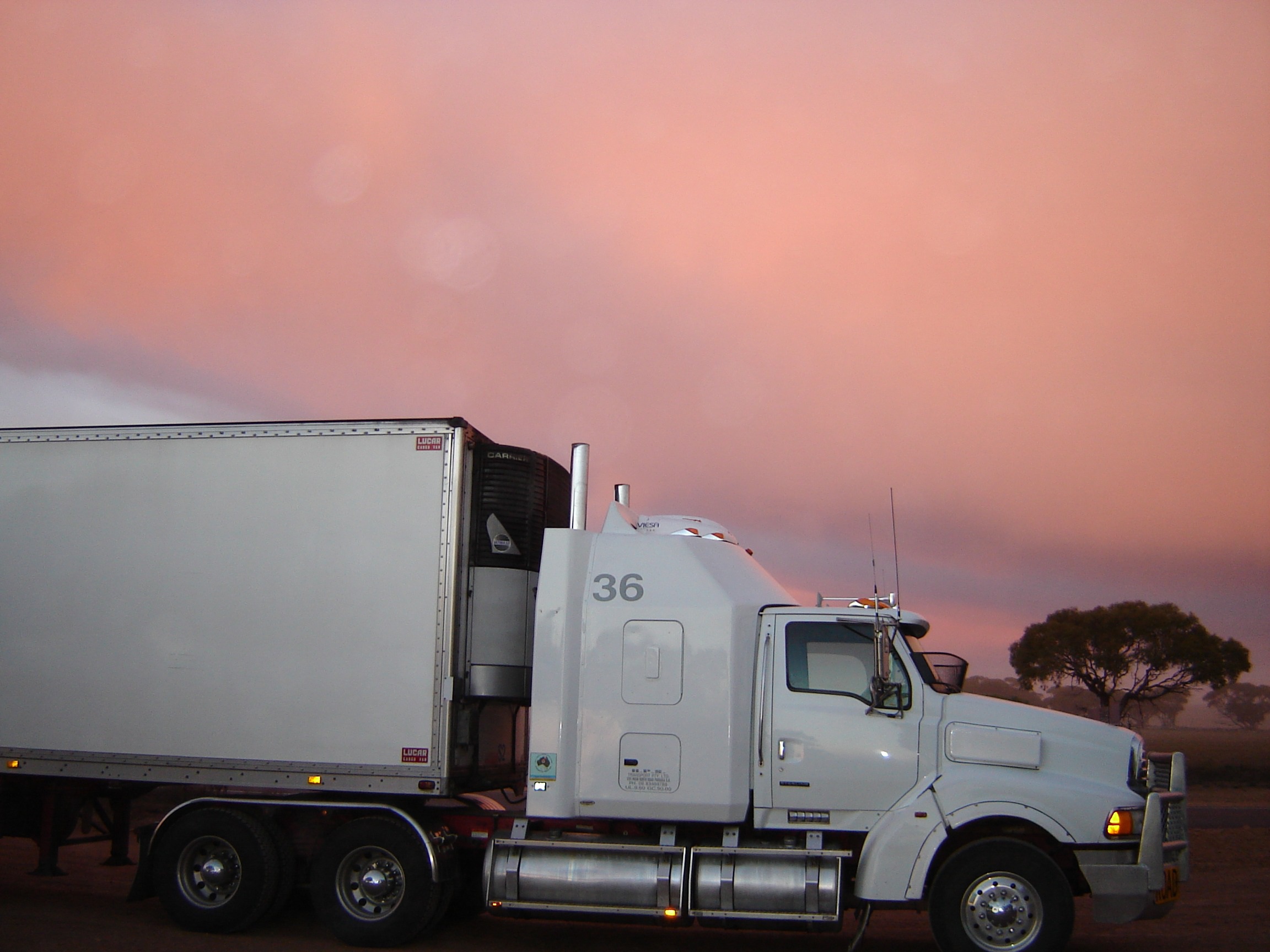
Transportation controls including locked, GPS-tracked vehicles operated by vetted personnel
When companies execute these steps consistently across all project sites, the risk window shrinks dramatically. The goal is to create a traceable, auditable record that holds up to regulatory scrutiny and provides real protection at every stage.
Data Destruction Standards That Hold Up Under Scrutiny
Not all data destruction is equal, and the differences matter enormously in a compliance context. Organizations undergoing large-scale equipment removal need to specify the destruction standard required for each asset class before a single device leaves the building.
NIST 800-88 provides the most widely recognized framework for data erasure, covering overwriting, purging, and destruction methodologies based on media type. For drives where erasure cannot be verified, or for devices that require the highest level of assurance, physical destruction through degaussing or shredding is the only defensible option.
A certified ITAD services provider will offer both capabilities, along with serialized Certificates of Data Destruction that document exactly which assets were processed, when, and by what method. These certificates are the documentation your compliance and legal teams need on file.
Managing Multi-Site Projects Without Sacrificing Security
Coordinating equipment removal across a national footprint introduces logistical variables that can quickly undermine even well-designed security protocols. Site managers at different locations may follow inconsistent procedures. Local vendors may be engaged ad hoc without proper vetting. Communication gaps between regional teams and central IT create blind spots.
The solution is centralization. A single qualified provider with nationwide capabilities should manage the entire process under one consistent protocol. This eliminates the patchwork of local vendors, standardizes documentation across all sites, and ensures that every location operates under the same security and compliance framework regardless of geography.
This approach also yields better data. Centralized reporting across all project sites gives compliance officers a consolidated view of every asset removed, its destruction status, and the corresponding documentation, rather than chasing paperwork across a dozen different vendors and regional contacts.
The Environmental Dimension of Responsible Equipment Removal
Secure data destruction and environmentally responsible recycling are not competing priorities. They are complementary commitments that any reputable ITAD partner should fulfill simultaneously.
R2 certification and e-Stewards certification are the industry benchmarks for electronics recycling. A provider holding these certifications has been independently audited to confirm that materials are handled, processed, and recycled according to environmental and worker safety standards. For organizations with ESG commitments or sustainability reporting requirements, working with a certified recycler is not optional. It is a core part of demonstrating responsible corporate stewardship.
Responsible end-of-life IT equipment handling means hazardous materials stay out of landfills, recoverable materials are properly processed, and organizations can document their environmental compliance alongside their data security compliance.

Preparing Your Organization for the Next Equipment Removal Cycle
The organizations that handle large-scale equipment removal most effectively are the ones that treat it as a structured program rather than a series of one-off events. That means establishing vendor relationships before a project begins, defining data destruction standards in advance, training site-level staff on secure staging procedures, and building documentation requirements into the project plan from day one.
The cost of a data breach traced to improperly handled retired equipment is measured not just in regulatory penalties, but in reputational damage that takes years to repair. Getting the process right protects the organization on both dimensions.
If you are planning a nationwide equipment removal project and want to ensure your data security and compliance protocols are fully covered, reach out to our team. We are ready to help you build a plan that protects every asset from decommission to final destruction. Contact us today to get started.


Leave a Reply
Want to join the discussion?Feel free to contribute!