Why ITAD Is More Than Just Computer Recycling for Large Firms
Summary
ITAD goes far beyond recycling old computers. Learn what a structured IT Asset Disposition program covers and why large firms need one.
When your organization retires outdated technology, the process involves far more than dropping old computers into a recycling bin. Large firms manage hundreds or thousands of assets at any given time, and each one carries data, compliance obligations, and residual value that demand a structured approach. IT Asset Disposition (ITAD) gives you a framework to handle end-of-life technology securely, responsibly, and strategically.
Most companies underestimate what proper ITAD actually covers until a data breach or audit forces the conversation. A certified ITAD provider handles everything from asset tracking and secure data destruction to equipment remarketing and environmental compliance, all under one documented process. For large firms, that level of accountability is not optional; it is the difference between a controlled transition and a costly liability.
What ITAD Actually Covers Beyond the Recycling Bin
IT Asset Disposition is a structured, end-to-end process for retiring technology assets. It protects your data, recovers residual value, and keeps your organization compliant. Most large firms treat device retirement as a facilities problem, but it is fundamentally a risk management and financial decision.
According to the Blancco 2025 State of Data Sanitization Report, 17% of organizations that experienced a breach traced the compromise back to redeployed devices that still held sensitive data from prior use. Recycling is one output of a mature ITAD program, not the definition of it.

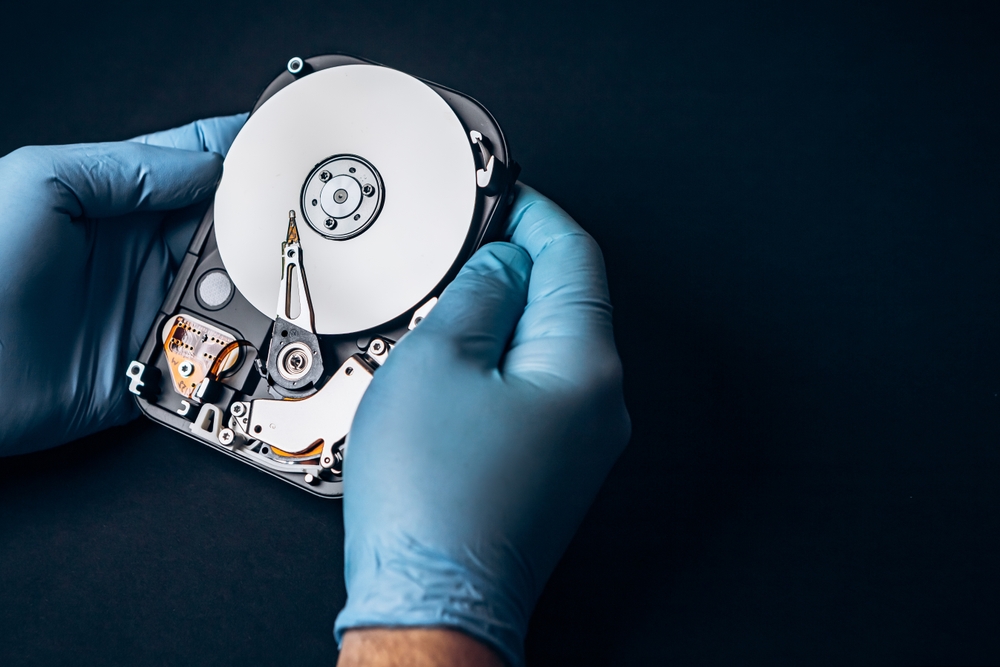
Asset tagging, inventory reconciliation, and chain-of-custody documentation all happen before a single device is decommissioned. Data destruction sits at the center of every ITAD engagement. It covers everything from hard drive shredding to certified software-based erasure. Both outcomes require verified processes and documented proof.
The difference between recycling and ITAD shows up most clearly at scale. When you are retiring thousands of endpoints across multiple locations, ad hoc recycling creates gaps in accountability. A structured ITAD program closes those gaps with auditable records at every stage.
The Financial Case for a Structured Disposal Program
Large firms leave significant money on the table when they treat hardware retirement as a cost center rather than an asset recovery opportunity. Devices retired on a defined schedule retain more resale value than equipment that sits in storage for years past its useful life. A structured IT Asset Disposition program turns decommissioned hardware into a measurable return.
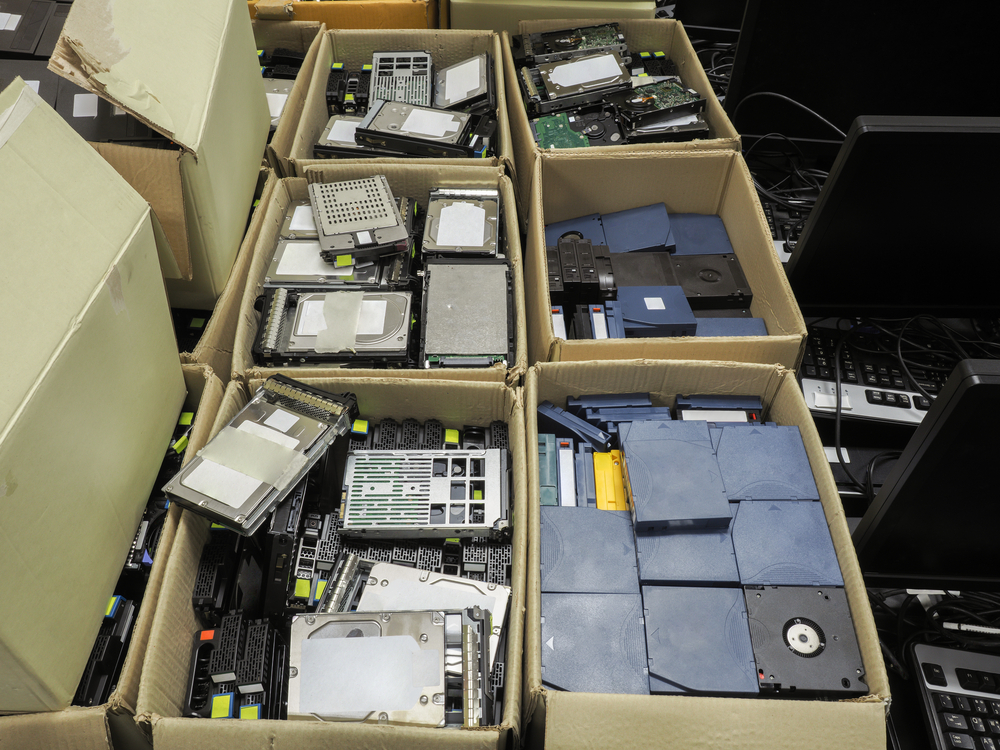
Certified ITAD providers assess each asset for remarketing potential before routing it to recycling. Servers, networking equipment, and enterprise storage arrays often carry strong secondary market value even after several years of use.
Capturing that resale value directly offsets the cost of the disposition process itself. Unmanaged e-waste creates liability exposure that carries its own price tag.
From regulatory fines to breach investigation costs, informal disposal is rarely as cheap as it appears. Structured disposal replaces unpredictable liability with documented, auditable outcomes.
A mature ITAD program does not just protect your organization from financial risk. It creates a repeatable process that compounds value across every hardware refresh cycle. For large firms, that predictability is a strategic advantage worth building toward.
Why Data Security Is the Foundation of Every ITAD Engagement
Every retired device in your organization is a potential data liability until someone certifiably destroys what is on it. Hard drives, SSDs, mobile devices, and even printers store sensitive information that standard factory resets do not fully eliminate. Data security is not a feature of ITAD; it is the reason ITAD exists.
A certified provider sanitizes devices to NIST 800-88 and DoD 5220.22-M standards, which are the benchmarks regulators and auditors recognize. For assets that cannot be sanitized through software, physical destruction is the only acceptable outcome. Industrial shredding renders drives completely unreadable and unrecoverable.
Documentation is what separates certified destruction from informal disposal. A Certificate of Data Destruction gives your legal, compliance, and IT teams a verifiable record tied to specific serial numbers and asset IDs. Without that paper trail, you cannot prove destruction occurred.
Vendors, clients, and regulators increasingly ask for proof of responsible data handling during due diligence reviews. An ITAD program with documented destruction records answers those questions before they become problems. Data security in asset disposition is as much about defensibility as it is about protection.
How Large Firms Stay Compliant With a Structured Disposal Program
Regulatory requirements around data privacy and electronic waste have grown significantly more demanding over the past decade. HIPAA, SOX, GDPR, and state-level data protection laws all carry provisions that apply directly to how you retire and dispose of technology assets. Non-compliance is not a theoretical risk; regulators have issued substantial fines for improper device disposal.
A structured IT Asset Disposition program maps your decommissioning process to the specific requirements of each applicable regulation. Certified providers maintain compliance documentation that your legal and compliance teams can reference during audits. You get a clear record showing that every retired asset was handled according to the standard.
Environmental compliance adds another layer to the picture. The EPA and state agencies like the TCEQ enforce standards for how e-waste is processed and where it ends up. Working with an R2-certified provider keeps your organization on the right side of those requirements.
Compliance gaps often surface during M&A due diligence, regulatory audits, or vendor reviews. A documented ITAD program gives you a defensible answer when stakeholders ask how your firm handles retired technology. Structured disposal turns a potential liability into a compliance asset.
What to Look for in a Certified ITAD Partner
Choosing the right ITAD partner is one of the most consequential vendor decisions your IT and compliance teams will make. The wrong provider creates liability; the right one eliminates it. Focus your evaluation on certifications, documented processes, and the ability to scale with your organization.
1. R2v3 Certification
R2v3 is the leading certification standard for responsible electronics recycling and ITAD. It requires providers to meet rigorous requirements for data security, environmental responsibility, and worker health and safety. Verify certification status directly through the Sustainable Electronics Recycling International (SERI) database.
2. Data Destruction Standards
Your provider should sanitize devices to NIST 800-88 or DoD 5220.22-M standards and issue a Certificate of Data Destruction for every job. Confirm that physical destruction is available for assets that cannot be wiped through software. Ask to see a sample certificate before you sign any agreement.
3. Chain-of-Custody Documentation
Every asset should be tracked from the moment it leaves your facility to its final disposition. Look for providers that offer serialized asset reporting with manufacturer, model, and serial number included. Gaps in chain-of-custody documentation are gaps in your compliance record.
4. Downstream Vendor Accountability
A certified ITAD partner controls not just their own facility but also the vendors they send materials to. Ask for their downstream vendor list and confirm that all partners meet equivalent certification standards. Liability does not end at your provider’s loading dock.
5. Scalability and White Glove Service
Large firms need a provider capable of handling high-volume, multi-site decommissioning without disruption to operations. White glove pickup, on-site data destruction, and dedicated account management are indicators of a provider built for enterprise scale. Confirm that service levels match your organization’s footprint and refresh cycle.
Build an ITAD Program That Protects Your Firm
Retiring technology assets without a structured process puts your data, your compliance standing, and your bottom line at risk. Large firms need a partner with the certifications, documentation practices, and operational capacity to handle asset disposition at scale. ITAD done right is not an expense; it is a safeguard.
Raki Computers offers certified ITAD services built for the demands of enterprise-level hardware retirement. From secure data destruction and chain-of-custody documentation to equipment remarketing and responsible recycling, every step of the process is verified and documented. Contact Raki Computers today to schedule a free evaluation and take the guesswork out of IT asset disposition.


Leave a Reply
Want to join the discussion?Feel free to contribute!