
Managing the Environmental Impact of Bulk IT Asset Retirement

Summary
An IT asset does not simply become waste when it reaches the end of its functional life; instead, it represents a complex combination of hazardous materials, residual data, and recoverable value. Managing the environmental impact of these devices—especially during bulk retirement events involving hundreds or thousands of units—requires a structured disposition strategy to avoid significant legal, regulatory, and ecological exposure.
Organizations retire thousands of devices every year. The environmental consequences of that process deserve serious attention. An IT asset does not simply become waste when it reaches end of life. It carries hazardous materials, residual data, and recoverable value that must be handled responsibly. Bulk retirement events, where hundreds or thousands of devices are decommissioned at once, intensify this challenge.
Without a formal disposition strategy, retired electronics can end up in landfills or unregulated recycling streams. Both outcomes create significant environmental and legal exposure. Understanding the full scope of that risk is the first step toward addressing it effectively.
The Environmental Risks of Unmanaged IT Asset Retirement
Electronics are not inert once they stop functioning. Many devices contain hazardous substances including lead, mercury, cadmium, and beryllium. These materials can leach into soil and contaminate water supplies when improperly discarded. At the scale of a bulk retirement event, that hazard multiplies considerably.
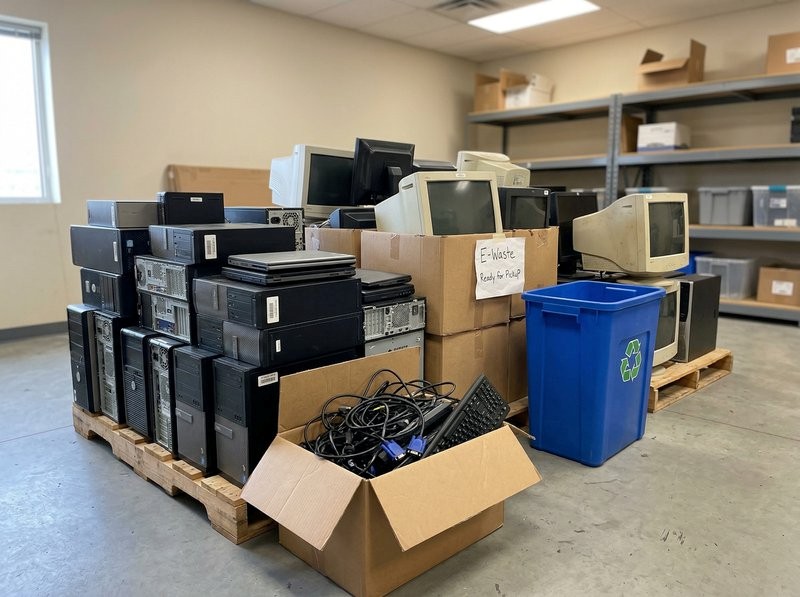
A single decommissioning project involving hundreds of servers or workstations can produce a substantial volume of toxic material. Organizations that handle this informally, or delegate it to unvetted vendors, often carry legal liability without realizing it. The ecological harm caused can also translate into regulatory penalties and lasting reputational damage.
Understanding E-Waste Regulations and Industry Standards
Regulations around electronics disposal are constantly changing. Rules vary by state, but federal guidelines and industry frameworks establish a broader standard. Companies in healthcare, finance, government, and education face particularly rigorous oversight. Violations can trigger audits, fines, and public scrutiny. Certifications such as R2 (Responsible Recycling) define clear benchmarks for proper processing practices.
Partnering with an accredited electronics recycler ensures that retired equipment is handled according to verified safety and environmental protocols. Thorough documentation from a credentialed provider supports audit readiness. It also demonstrates accountability to regulators and internal stakeholders alike.
Responsible IT Asset Disposal Strategies for Bulk Retirement
Large-scale retirement events require more than basic logistics. They demand a deliberate, structured approach to disposition. The following methods support environmentally accountable bulk IT asset disposal:
Conduct a thorough inventory and condition audit before initiating any disposal
Prioritize refurbishment, redeployment, or resale for devices retaining functional or market value
Route non-recoverable equipment to accredited recyclers following verified dismantling procedures
Require chain-of-custody tracking throughout every stage of the operation
Request environmental impact reports from your ITAD provider after each retirement event
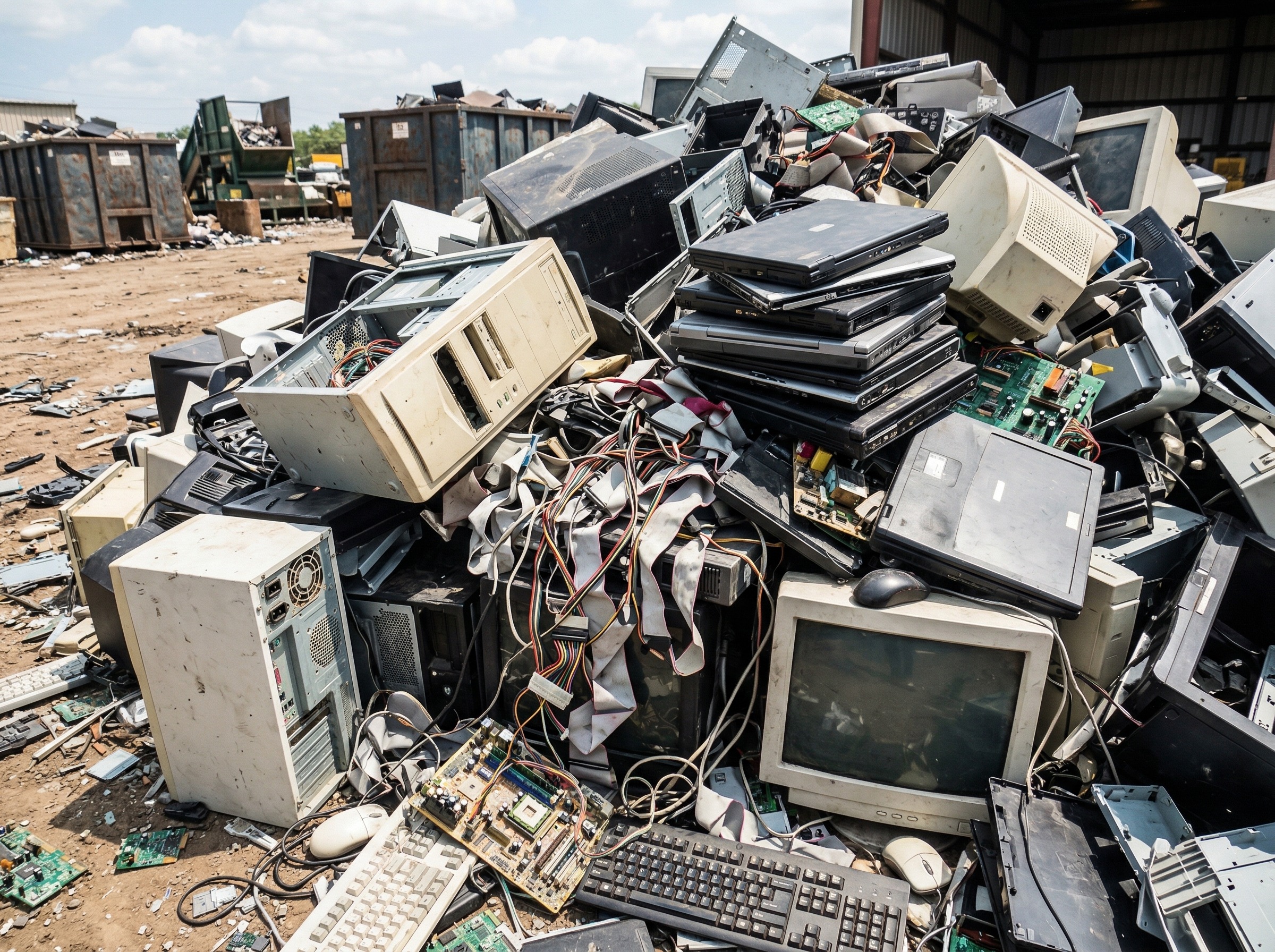
These steps reduce landfill contribution. They also create a defensible record of ecological stewardship that holds up under scrutiny.
Value Recovery as an Environmental Strategy
Recovering value from retired equipment is not only a financial priority. It also serves a critical environmental function. Every device that is refurbished and reused delays the production of a replacement unit. Electronics manufacturing is resource-intensive. It consumes rare earth minerals, considerable energy, and complex global supply chains.
Extending the useful life of aging technology through resale, donation, or reconditioning reduces the downstream manufacturing demand. Enterprises that incorporate value recovery into their disposition planning achieve a dual outcome. They lower disposal costs while simultaneously shrinking their ecological footprint.
Take Control of Your IT Asset Retirement Process
Bulk IT asset retirement does not have to become an environmental liability. With the right partner and a well-defined approach, it can be a structured, compliance-driven operation that delivers measurable outcomes. Enterprises can protect the environment, satisfy regulatory requirements, and recover financial returns from retired technology within a single managed program.
RAKI Computers provides nationwide ITAD solutions built for this kind of scale and complexity. As an R2-certified provider, RAKI delivers secure, fully documented, and environmentally accountable disposition services across industries and locations. Whether your organization operates from a single facility or a distributed enterprise network, RAKI’s programs are designed to reduce risk and drive results. Contact RAKI Computers today to learn how your next retirement event can be handled securely, sustainably, and with full accountability.


Leave a Reply
Want to join the discussion?Feel free to contribute!