
Building an Audit-Ready IT Asset Inventory Before Hardware Retirement
Summary
Learn how to build an audit-ready IT asset inventory before hardware retirement. Reduce risk, close gaps, and simplify disposal reporting.
Every hardware retirement cycle starts with one non-negotiable question from your auditors and risk officers. Can you prove exactly what you own, where it lives, and what data it holds? An accurate IT asset inventory answers that question before disposal ever begins.
Retirement projects expose every weakness in your tracking systems, from ghost devices to missing serial numbers. Missing records lead to failed audits, orphaned equipment, and unnecessary breach exposure. Building your inventory correctly at the start turns disposal into a controlled, defensible workflow.
How Do You Build an Audit-Ready IT Asset Inventory Before Retirement?
An audit-ready IT asset inventory captures every data-bearing device with unique identifiers, ownership assignments, location details, and lifecycle status. You reconcile physical assets to your records before pickup, then link each item to sanitization method and destruction evidence. As a result, your retirement project produces clean documentation that satisfies auditors, regulators, and insurers alike.
Why Your IT Asset Inventory Matters Before Hardware Retirement
Retirement projects amplify every existing weakness in your IT asset inventory across every site. Consequently, missing serial numbers, outdated ownership fields, and untracked devices become urgent problems overnight. Your team ends up chasing paperwork instead of executing a clean disposition.
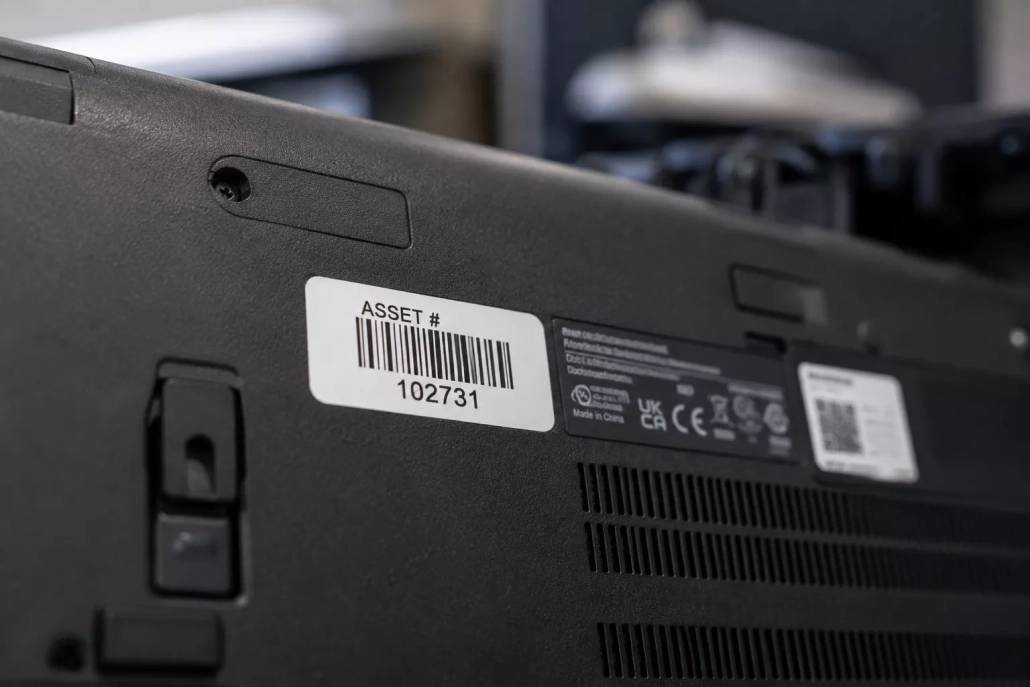
According to Gartner research on hardware asset management, 30% of IT assets are lost or unaccounted for in many enterprises. Additionally, 24% of organizations have not verified their asset inventory in the past five years. Weak records translate directly into breach exposure, audit findings, and regulatory penalties.
Retirement is often the first moment leadership sees inventory gaps in full detail. Therefore, accurate records give you leverage to negotiate value recovery and minimize disposal costs. Learn more about our ITAD services that align inventory data with defensible retirement workflows.
Core Data Fields Every Retirement Record Should Capture
A defensible IT asset inventory captures far more than device counts on a spreadsheet somewhere. It ties each unit to owners, locations, data classification, and lifecycle status in one system. Additionally, the format should support fast reconciliation, audit exports, and integration with disposal reporting.
Your inventory should include specific fields at the device level to support retirement workflows. In practice, the following data points give auditors and disposal partners everything they need.
- Unique identifiers: Serial number, asset tag, manufacturer, and model for every physical unit
- Ownership: Named individual or role accountable for the asset throughout its lifecycle
- Location: Current site, room, or storage facility where the device physically resides
- Data classification: Sensitivity label tied to the information stored on the device
- Lifecycle status: Active, in-storage, pending retirement, sanitized, or destroyed
- Acquisition and warranty details: Purchase date, cost basis, and remaining warranty period
Standardized fields also make it easier to hand off clean records to your ITAD partner. Review our checklist on technology refresh disposition to see how inventory data drives smoother pickup events.
Standards and Frameworks That Shape IT Asset Inventory Expectations
Regulators and auditors now expect your IT asset inventory to align with recognized international standards. Consequently, organizations pursuing certification cannot rely on static spreadsheets updated once a year. Frameworks such as ISO 27001, NIST, and SOC 2 all set clear expectations for asset tracking.
According to ISO 27001 Annex A 5.9 requirements, organizations must maintain a complete register of information assets with assigned owners. Similarly, auditors validate that inventories reflect physical reality through “floor-to-list” and “list-to-floor” testing during reviews. Retirement events magnify the impact of any gap between records and reality.
Regulated industries face additional expectations tied to HIPAA, GLBA, PCI DSS, and FISMA controls. As a result, your inventory needs to support cross-framework reporting without duplicating manual effort. A single well-maintained record set can serve multiple audit obligations at once.
Structured inventories also strengthen your defensible position during breach investigations and litigation. Review how asset lifecycle risk mitigation begins long before hardware retirement.
Preparing Your IT Asset Inventory for a Clean Retirement Handoff
Retirement projects succeed when inventory work happens weeks before pickup, not the day equipment leaves. Otherwise, teams scramble to reconcile records under time pressure and defensibility suffers. A structured pre-retirement workflow closes gaps in your IT asset inventory before your disposal partner arrives.
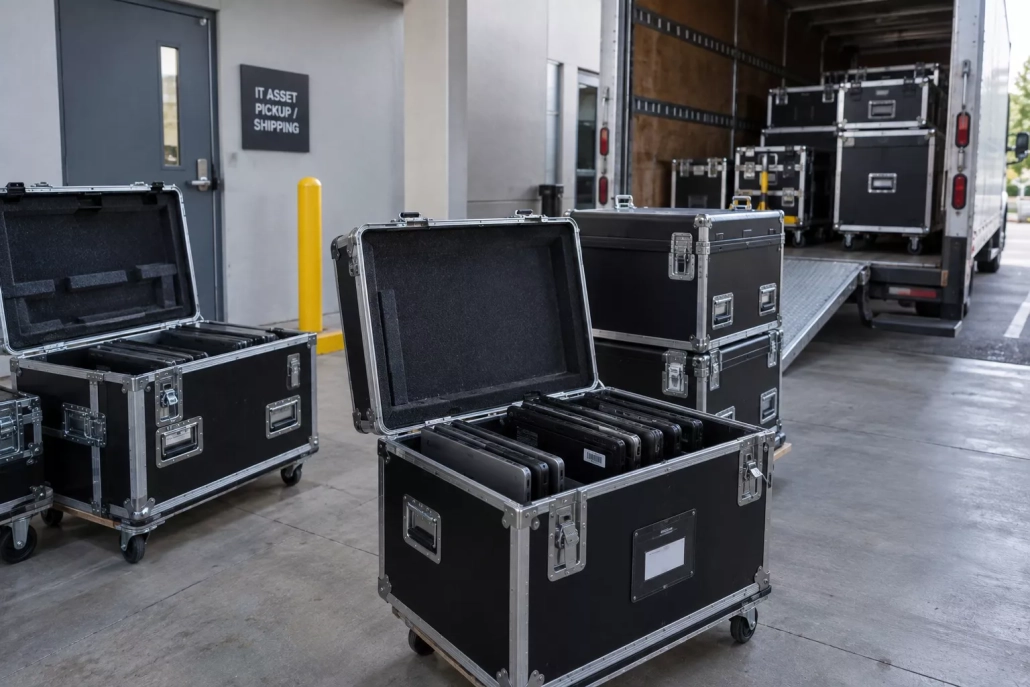
Your team should complete specific preparation tasks to hand off a clean, verified record set. Additionally, coordinating early with your ITAD partner ensures reporting formats align across systems.
- Physical audit: Match every listed device to a physical unit at the correct location
- Data classification review: Confirm sensitivity labels match current data stored on each device
- Ownership updates: Reassign or close out records for departing employees and closed departments
- Serial verification: Photograph or scan each device to confirm identifiers before packaging
- Reconciliation report: Document discrepancies and resolve them before pickup begins
Reconciling ahead of pickup reduces onsite delays and prevents documentation gaps during transport. Explore our approach to centralizing asset disposition for national organizations with multiple sites.
Turn Inventory Discipline Into Defensible Retirement Outcomes
Hardware retirement projects reward organizations that treat inventory as a living record rather than a spreadsheet. A well-maintained IT asset inventory reduces audit exposure, protects value recovery, and simplifies every disposal event. Discipline before pickup produces documentation that stands up to any regulatory or insurance review.
RAKI supports enterprise retirement projects with serialized reporting, verified sanitization, and audit-aligned Certificates of Destruction. Our nationwide coverage, R2v3, and ISO-certified processes give your inventory records the defensible finish line they need. To align your retirement workflows with governance-grade inventory practices, get in touch with our team.


Leave a Reply
Want to join the discussion?Feel free to contribute!