
Why Value Recovery Should Be Part of Your Lifecycle Management Plan

Summary
Value recovery turns retired hardware into financial return. Learn how to build it into your lifecycle management plan and maximize every hardware refresh cycle.
Most organizations treat hardware retirement as a cost to absorb rather than an opportunity to capture. Every device your organization retires carries residual value that disappears the longer it sits in storage waiting for disposal. Building value recovery into your lifecycle management plan turns end-of-life hardware into a measurable financial return.
A structured lifecycle management approach accounts for every asset from procurement to disposition, including the revenue potential each device holds at retirement. Organizations that ignore value recovery leave money on the table with every hardware refresh cycle they run. Partnering with a certified ITAD provider gives your team the asset remarketing infrastructure to capture that value before it depreciates.
What Value Recovery Actually Means in a Lifecycle Management Plan
Value recovery is the process of capturing residual financial worth from retired technology assets before they lose all market value. Most organizations treat disposition as the final step in a lifecycle management plan. However, value recovery reframes it as a revenue opportunity built into every hardware refresh cycle. A certified ITAD provider assesses each retired asset for remarketing potential, material recovery value, or parts-harvesting value before routing it for recycling.
Servers, enterprise storage arrays, and networking equipment often hold significant secondary market value even years after deployment. Laptops and workstations retired on a defined schedule retain more resale value than devices that sit in storage.
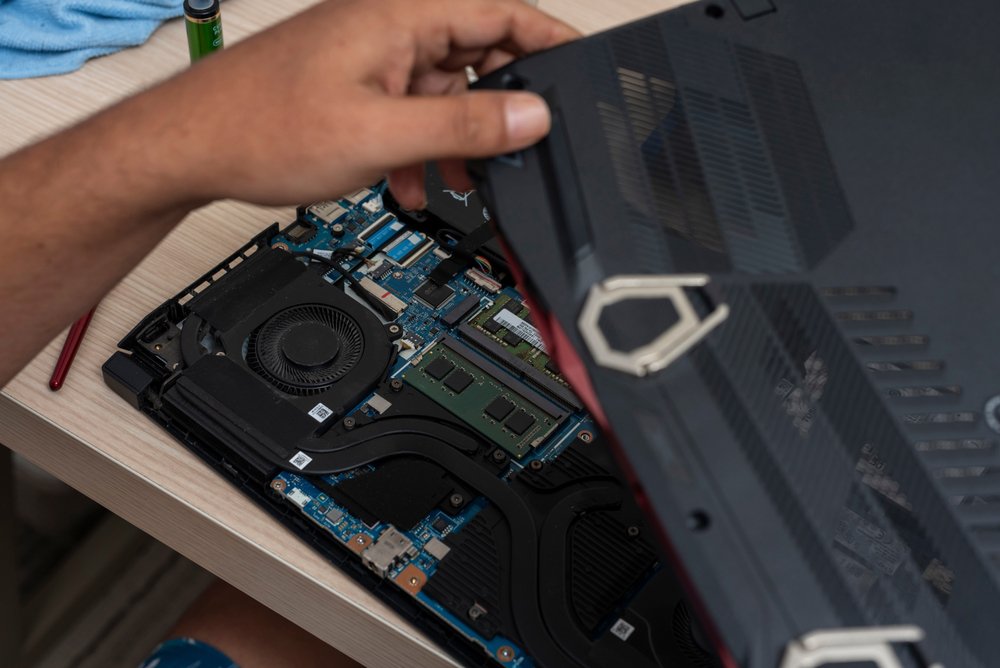
Organizations that build value recovery into their lifecycle management plan see a measurable offset against the cost of disposition. Those that treat retirement as an afterthought absorb the full cost of the process without recovering anything in return.
Your ITAD partner should provide a transparent asset valuation before any device moves through the disposition process. That valuation gives your finance and IT teams a clear picture of what your retired hardware is worth.
Without a structured approach to value recovery, residual value depreciates silently every quarter your retired assets sit unprocessed. Lifecycle management plans that account for disposition timing capture significantly more value than those that do not.
How Timing Affects the Residual Value of Retired Hardware
The residual value of enterprise hardware follows a predictable depreciation curve. Timing your disposition decisions around that curve determines how much value your organization recovers. Every month, a retired device sitting in a storage room represents lost remarketing revenue you can never recover. Building disposition timelines into your lifecycle management plan is one of the highest-return adjustments your IT and finance teams can make.
Servers and networking equipment depreciate faster than most organizations expect once a new product generation enters the market. Waiting until the next refresh cycle to process retired data center assets often means remarketing windows have already closed.
Laptops and workstations follow a similar pattern, with secondary market demand dropping sharply after three to four years of age. Organizations that retire devices on a defined schedule and process them immediately consistently recover more value.
Your ITAD partner should provide market intelligence on depreciation timelines for every major asset category your organization retires. That data gives your team the information needed to make disposition decisions before value disappears entirely.
Why Certified Remarketing Outperforms Informal Disposal Every Time
Certified remarketing through a qualified ITAD provider yields greater financial return and lower liability than any informal disposal method. Informal disposal channels, from internal resale programs to unverified brokers, lack the data security controls, documentation standards, and market reach that certified providers bring to every transaction. The gap between those two approaches shows up directly in your bottom line and your compliance record.
A certified remarketing process starts with thorough data destruction verified against NIST 800-88 or DoD 5220.22-M standards before any device enters the secondary market. That step protects your organization from the data liability that informal resale programs routinely create.
Certified providers access established secondary markets with broader buyer networks than most organizations can reach independently. That market access translates into stronger resale prices and faster disposition timelines for every asset category.
Remarketing revenue generated through a certified provider also comes with full documentation, including asset-level records and Certificates of Data Destruction your compliance team can reference during audits. Informal disposal generates none of that accountability.
How to Build Value Recovery Into Your Lifecycle Management Plan
Building value recovery into your next hardware refresh starts with engaging your ITAD partner during the planning phase, not after devices have already been decommissioned. Early engagement gives your provider time to assess asset values, identify remarketing opportunities, and build disposition timelines that maximize what your organization recovers. That planning window is where most of the financial upside in a value recovery program gets captured or lost.
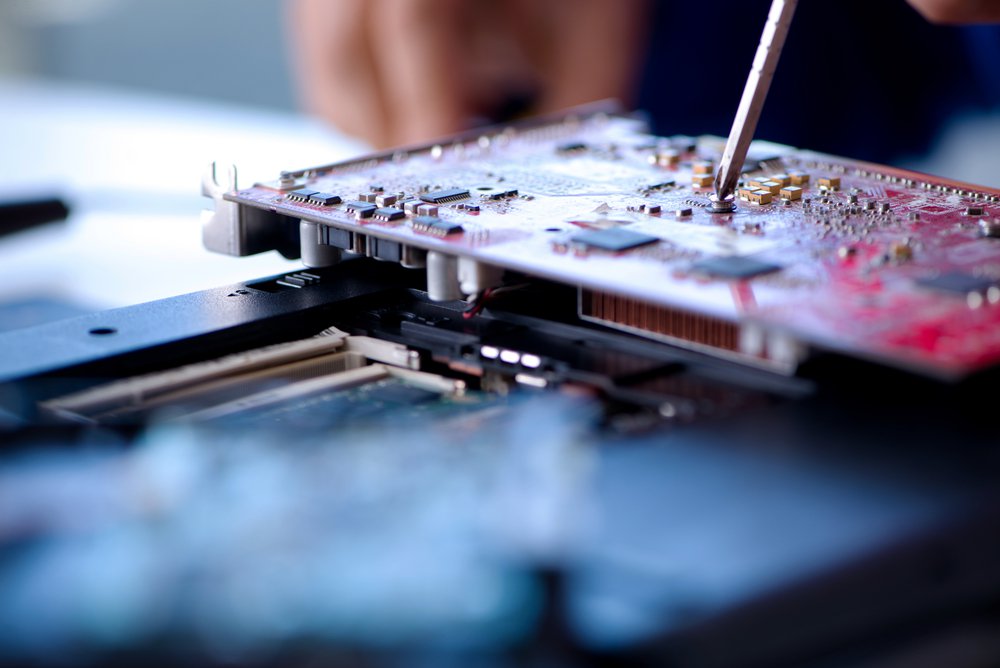
Your IT and finance teams should align on disposition timelines before the refresh begins. Devices processed within thirty to sixty days of retirement consistently yield stronger remarketing returns than assets that age in storage.
A complete asset inventory reconciled against your existing records gives your ITAD partner the information needed to route each device to the right disposition pathway. Remarketing, parts harvesting, material recovery, and recycling each serve different asset categories, and the right routing decision depends on accurate, up-to-date inventory data.
Your lifecycle management plan should treat value recovery as a standing line item, not a one-time initiative tied to a single refresh cycle. Organizations that build disposition planning into every hardware refresh recover more value, reduce compliance risk, and lower the total cost of their technology lifecycle over time.
Make Value Recovery a Standard Part of Every Hardware Refresh
Retiring technology without a value recovery strategy means absorbing costs your organization does not have to carry. A structured lifecycle management plan that accounts for asset valuation, disposition timing, and certified remarketing turns end-of-life hardware into a financial asset. Raki Computers gives your team the certified processes and market access to capture that value on every refresh cycle.
Every device your organization retires holds value that disappears without the right partner and plan in place. Raki Computers delivers transparent asset valuations, certified data destruction, and documented disposition outcomes from the first pickup to the final report. Contact Raki Computers today to build value recovery into your next hardware refresh.


Leave a Reply
Want to join the discussion?Feel free to contribute!