
Why One-Time Shredding Events Are Critical After a Major Merger
Summary
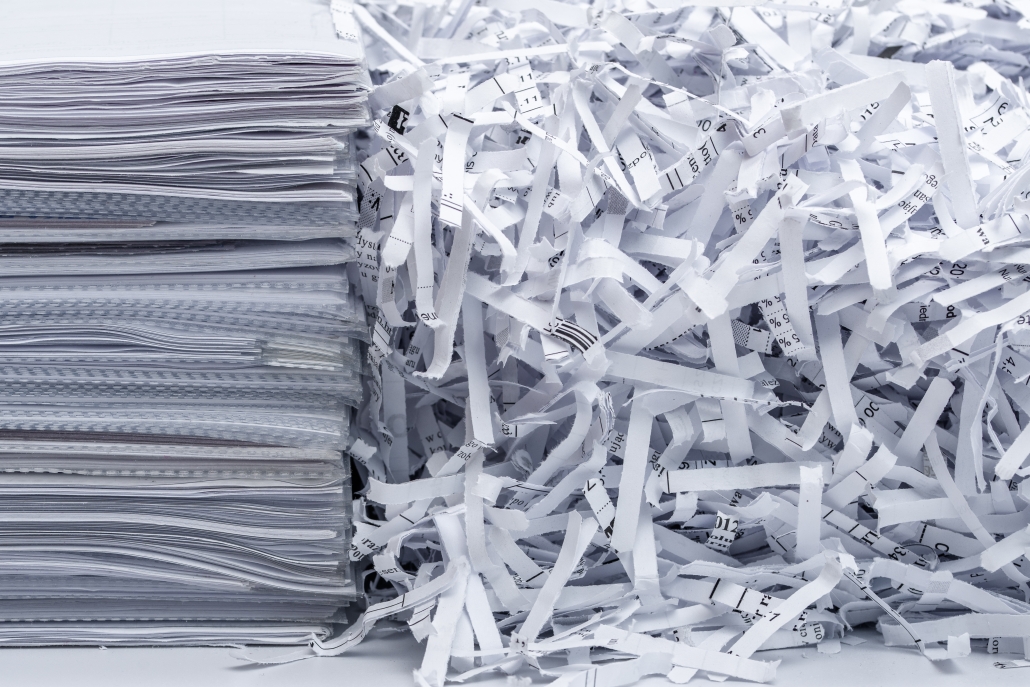
A corporate merger triggers an immediate operational challenge: managing the overwhelming volume of sensitive records inherited from both entities. One-time shredding provides a high-volume, focused destruction solution that allows enterprises to eliminate duplicate personnel files, expired contracts, and redundant financial records. By consolidating disposal into a single event, organizations can reduce their risk exposure from the start of the integration while ensuring a consistent, audit-ready chain of custody across all facilities.
A merger signals growth and transformation. It also generates an immediate operational challenge. What should organizations do with the overwhelming volume of sensitive records that no longer serve a purpose? When two entities combine, they inherit massive amounts of contracts, personnel files, financial records, and proprietary data. They find that some materials overlap, while others become outdated the moment the deal closes. That’s where one-time shredding becomes a critical component of post-merger planning.
A structured, high-volume destruction event gives enterprises a focused opportunity to eliminate unnecessary files and reduce risk exposure from the start.
The Document Overload Mergers Leave Behind
A merger doesn’t just combine two companies. It combines two filing systems, two HR archives, and years of accumulated paperwork from both entities. The volume that surfaces during integration can quickly overwhelm internal records management workflows.
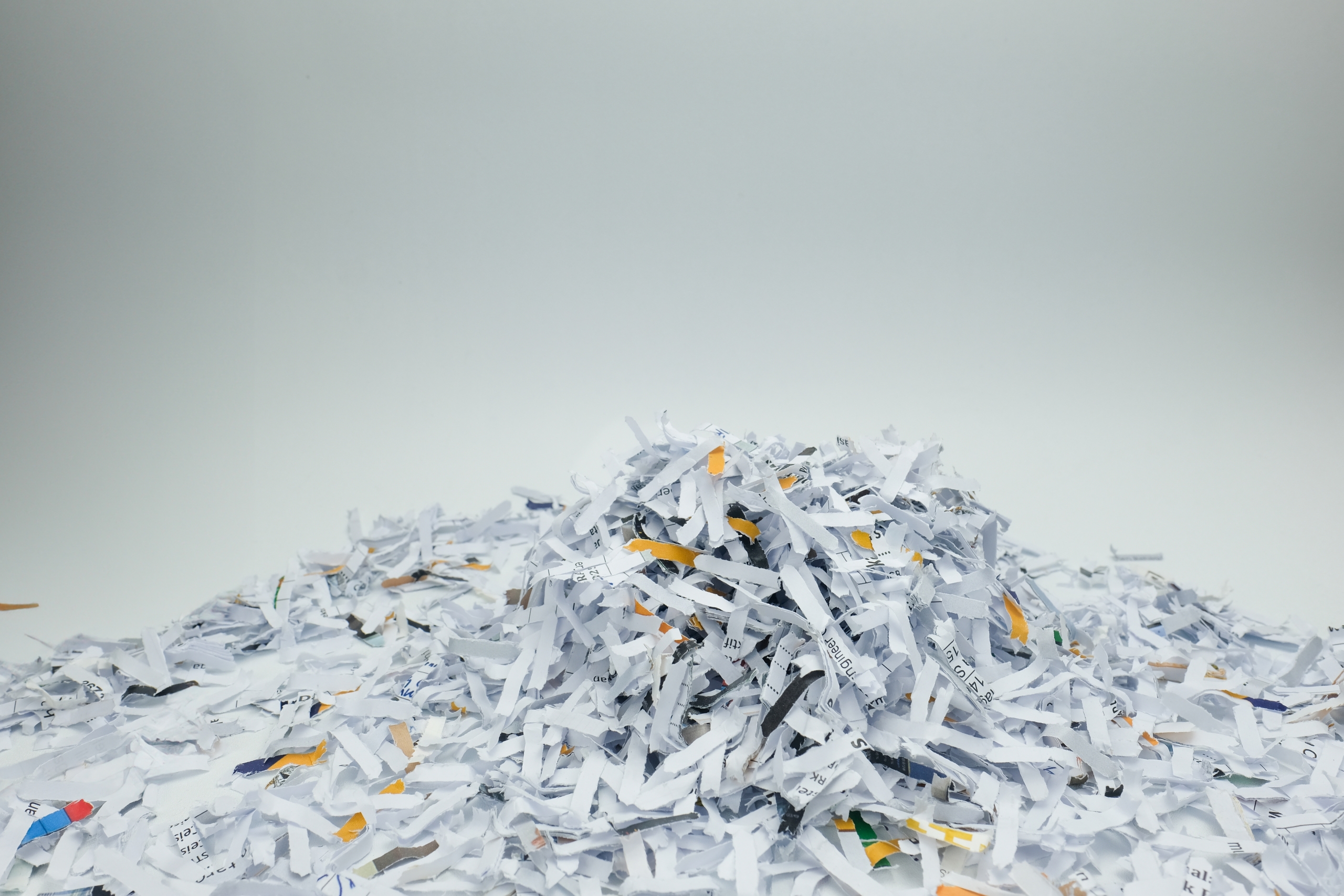
Teams typically encounter:
Duplicate personnel files and outdated employment contracts
Expired compliance documents tied to legacy policies
Redundant financial records from both pre-merger entities
Obsolete vendor agreements and service contracts
Routing this backlog through a routine shredding program isn’t practical. Standard schedules aren’t designed to absorb that kind of volume. A dedicated data destruction event consolidates disposal into a single, efficient effort. This keeps the integration timeline moving without prolonging the process. The earlier these records are addressed, the lower the risk they carry.
Why One-Time Shredding Reduces Post-Merger Data Risk
Confidential information moves across departments, locations, and sometimes legal jurisdictions during a merger. The exposure risk rises sharply during this period. Records from the acquired company may include personally identifiable information (PII), financial data, and proprietary business intelligence.
If organizations do not properly destroy these files, they create a persistent security vulnerability. Breaches can occur during internal reorganizations, storage transitions, or even routine office moves. A structured one-time shredding event addresses this directly. It establishes a clear, documented point of destruction. This narrows the window during which protected materials remain accessible.
A disciplined approach also shows stakeholders that the enterprise takes data security seriously. That message matters especially in the early stages of an acquisition, when the merging entities are still building trust.
Compliance Obligations Don’t Stop During Organizational Change
Regulatory requirements don’t pause when firms undergo structural change. In many cases, they intensify. A company may suddenly become subject to the compliance frameworks of the acquired entity.
Industries such as healthcare, finance, and government contracting carry strict mandates around data retention and destruction. Regulations like HIPAA, GLBA, and various state-level privacy laws require responsible records management throughout any transition. Non-compliance at this stage carries penalties that can strain integration budgets and timelines.

A well-executed destruction event should include documented chain-of-custody procedures and certificates of destruction. These records demonstrate due diligence to regulators and support audit readiness. They also provide legal protection if data handling practices come under scrutiny later. Proactive documentation is a critical safeguard, not an optional step.
Managing One-Time Shredding Across Multiple Locations
Large mergers often involve assets distributed across dozens of facilities. A regional acquisition might require coordinating document destruction at many sites simultaneously.
These scenarios require uniformity. Each location must follow the same security protocols and document each batch of disposed materials in the same way. Without a centralized approach, gaps can emerge in the chain of custody. These gaps create compliance risks that are difficult to explain during an audit.
Working with a provider that offers nationwide logistics capabilities resolves this challenge. Mobile shredding units can be deployed across all facilities on a coordinated schedule. This ensures consistency in both security and documentation. Internal IT and operations teams are also relieved of significant logistical pressure during an already demanding transition.
Schedule Your Post-Merger One-Time Shredding Event With RAKI Computers
RAKI Computers supports enterprises navigating complex data security and compliance challenges after major corporate transitions. Our one-time shredding services are built for high-volume, compliance-driven environments. Every event is backed by rigorous chain-of-custody documentation and certified destruction reporting.
RAKI’s nationwide capabilities deliver consistent security and accountability across all locations, whether the merger involves a single site or dozens of facilities. Our R2-certified processes and audit-ready reporting give teams the documentation needed to meet regulatory and governance requirements.
Post-merger is the right moment to address data risk proactively. Reach out to RAKI Computers to schedule your destruction event and move into the next phase with confidence.


Leave a Reply
Want to join the discussion?Feel free to contribute!