
The Importance of Secure Data Handling During Office Relocations

Summary
An office relocation is more than a physical transition; it is a critical secure data event that requires a structured approach to prevent data breaches and compliance failures. Since IT assets change hands frequently during a move, organizations must implement a thorough inventory, maintain an unbroken chain of custody, and ensure certified data destruction for retired equipment to mitigate significant legal and regulatory exposure.
Office relocations demand careful coordination across multiple fronts. Timelines, vendor contracts, and logistics all require significant attention. But one critical priority is often overlooked: secure data handling. When IT assets move, sensitive information travels with them.
Without a structured approach, organizations risk data breaches, compliance failures, and significant legal exposure. A relocation is not just a physical transition. It is a data security event. Treating it as such is essential for any organization that values its information assets and regulatory standing.
Why Office Moves Create Serious Data Security Risks
IT equipment changes hands frequently during a relocation. Laptops, servers, and storage drives pass through multiple checkpoints. Each transition creates a potential vulnerability. Organizations often focus on physical logistics but underestimate the risks tied to asset movement.
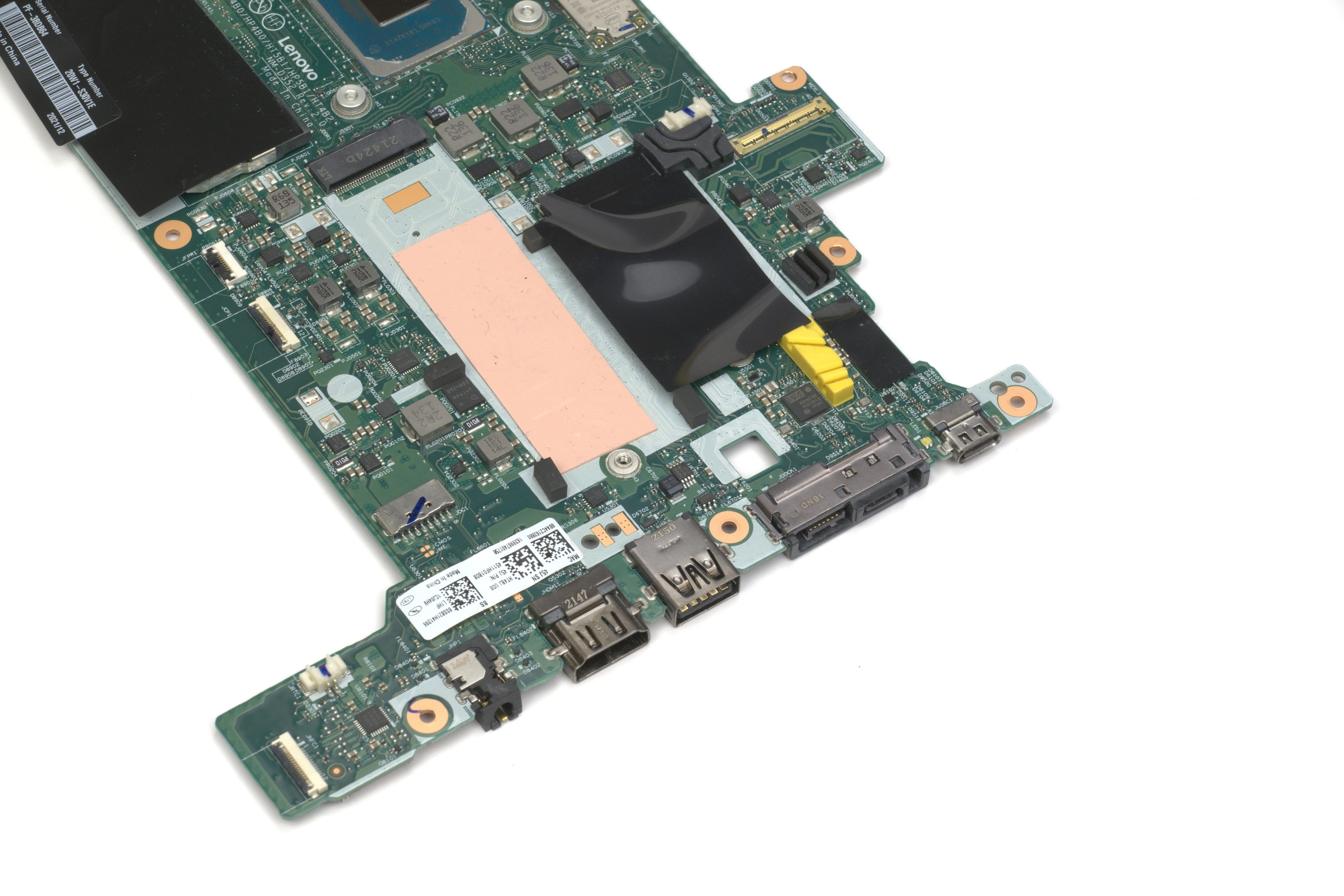
Employees may pack devices without following established protocols. External vendors may handle equipment without adequate oversight. Both scenarios create gaps that can be exploited. A breach can occur even before the last box is unpacked in the new location.
There is also the issue of overlooked devices. Decommissioned hardware like monitors, old hard drives, and legacy storage media often surface during office cleanouts. These assets are frequently forgotten yet may contain confidential or regulated data. Identifying and properly managing them is a vital part of any relocation plan.
Building a Secure Data Inventory Before the Move
A thorough asset inventory is the foundation of strong data management during any relocation. Organizations must document every device that stores proprietary or regulated data. This step establishes responsibility across internal teams and third-party vendors alike. It also creates a baseline for tracking assets throughout the entire move.
Every asset that stores data should be catalogued, including:
Laptops and desktop computers
Servers and network storage devices
Printers, copiers, and fax machines
Mobile devices and tablets
Starting this process well before moving day prevents oversights and lowers risk. When assets are tracked from the start, the likelihood of loss or mishandling drops significantly. A structured inventory also simplifies the reporting and documentation process later in the relocation.
Maintaining Chain of Custody for Secure Data During Transit
Chain of custody is a foundational concept in data security. It refers to the documented trail of who handled an asset, when, and where. Without it, organizations cannot verify that sensitive data remained protected during transit.
Every handoff should be logged and verified. Serialized tracking and documented sign-offs minimize the risk of unauthorized access during the move. Choosing certified logistics partners who understand data protection requirements is not a preference. It is a necessity.
Documentation also reinforces vendor accountability. When contracts clearly define data security expectations, organizations have recourse if those standards are not met. Setting clear expectations upfront prevents costly disputes later.
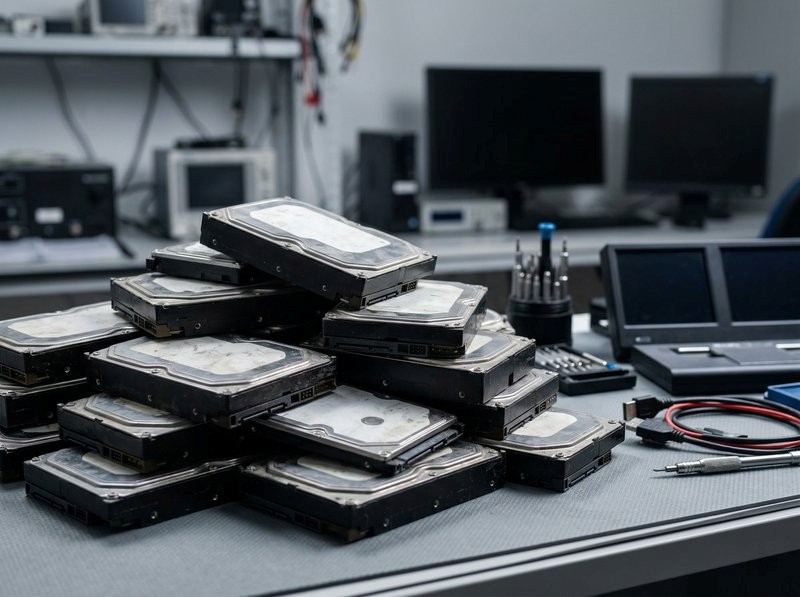
For regulated industries such as healthcare, finance, and government, chain of custody records are non-negotiable. A gap can constitute a compliance violation, even when no actual breach occurs. Courts and regulators rely on documented evidence. Organizations must demonstrate clear responsibility at every stage of asset movement.
Data Destruction and Compliance Documentation for Retired Assets
Relocations frequently trigger the retirement of outdated equipment. These devices must be handled carefully. Simply discarding old hardware is not acceptable under most regulatory frameworks. Data must be destroyed in a manner that meets applicable industry standards.
Accepted destruction methods include certified data wiping, degaussing, and physical shredding. Each approach suits different device types and data classification levels. The right method depends on the asset category and relevant compliance requirements.
Compliance documentation is equally critical. Certificates of data destruction provide the audit trail organizations need. Without proper records, demonstrating regulatory compliance becomes significantly more difficult. These certificates serve as essential protection during audits and legal inquiries. Organizations that skip this step often face consequences retroactively. Proving proper disposal after the fact is far more costly than establishing sound practices upfront.
Retired assets can also hold residual financial value. Responsible ITAD providers assess devices for potential resale or component recovery. This transforms what might seem like a disposal cost into a measurable return.
Protect Your Relocation With a Certified ITAD Partner
Office moves don’t have to become a data security liability. Working with a certified IT Asset Disposition provider brings clear advantages. Every asset is tracked, every drive is sanitized, and every step is documented.
RAKI Computers supports organizations nationwide with secure, compliant ITAD services during relocations and beyond. As an R2-certified provider, RAKI delivers certified data destruction, chain of custody documentation, and audit-ready reporting. Whether managing a single-site move or a multi-location enterprise transition, RAKI has the infrastructure and expertise to help. Reach out to RAKI Computers today to learn how we can support your next office relocation.


Leave a Reply
Want to join the discussion?Feel free to contribute!