How to Optimize Value Recovery for Your Old Electronics
Summary
For enterprise IT leaders, value recovery is a strategic priority that transforms decommissioned hardware from a disposal burden into a measurable financial gain. By moving away from a "cost center" mindset and implementing a disciplined approach to asset classification, data security, and logistics, organizations can capture the residual worth of laptops, servers, and networking equipment.
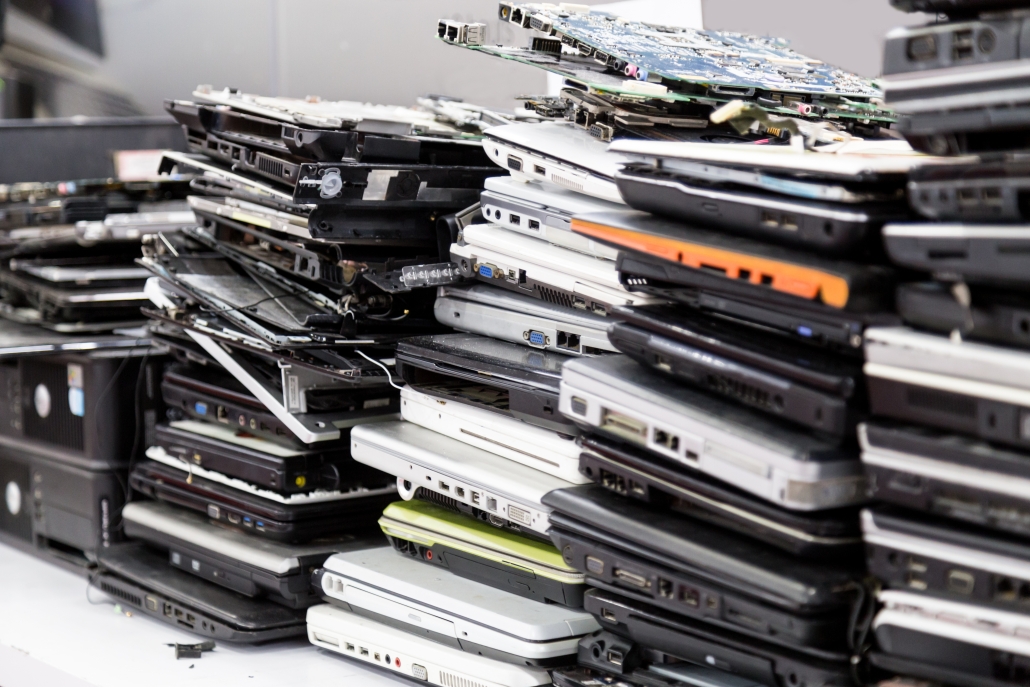
Retired IT equipment is rarely worthless. Many companies treat end-of-life electronics as a disposal burden, overlooking the monetary opportunity those assets represent. A strategic approach to value recovery can transform decommissioned hardware into measurable gains.
For IT decision-makers, optimizing that process is a critical part of responsible technology lifecycle management. The gap between a cost center and a revenue offset often comes down to how disposition is planned and executed. Getting that strategy right requires understanding what drives asset worth, how to protect it, and how to execute at scale.
Understanding the Value Recovery Potential in Retired IT Assets
Hardware does not lose all worth the moment it is decommissioned. Laptops, servers, networking equipment, storage devices, and mobile hardware retain residual market value. That value exists in multiple forms. Some assets are functional enough for refurbishment and resale.
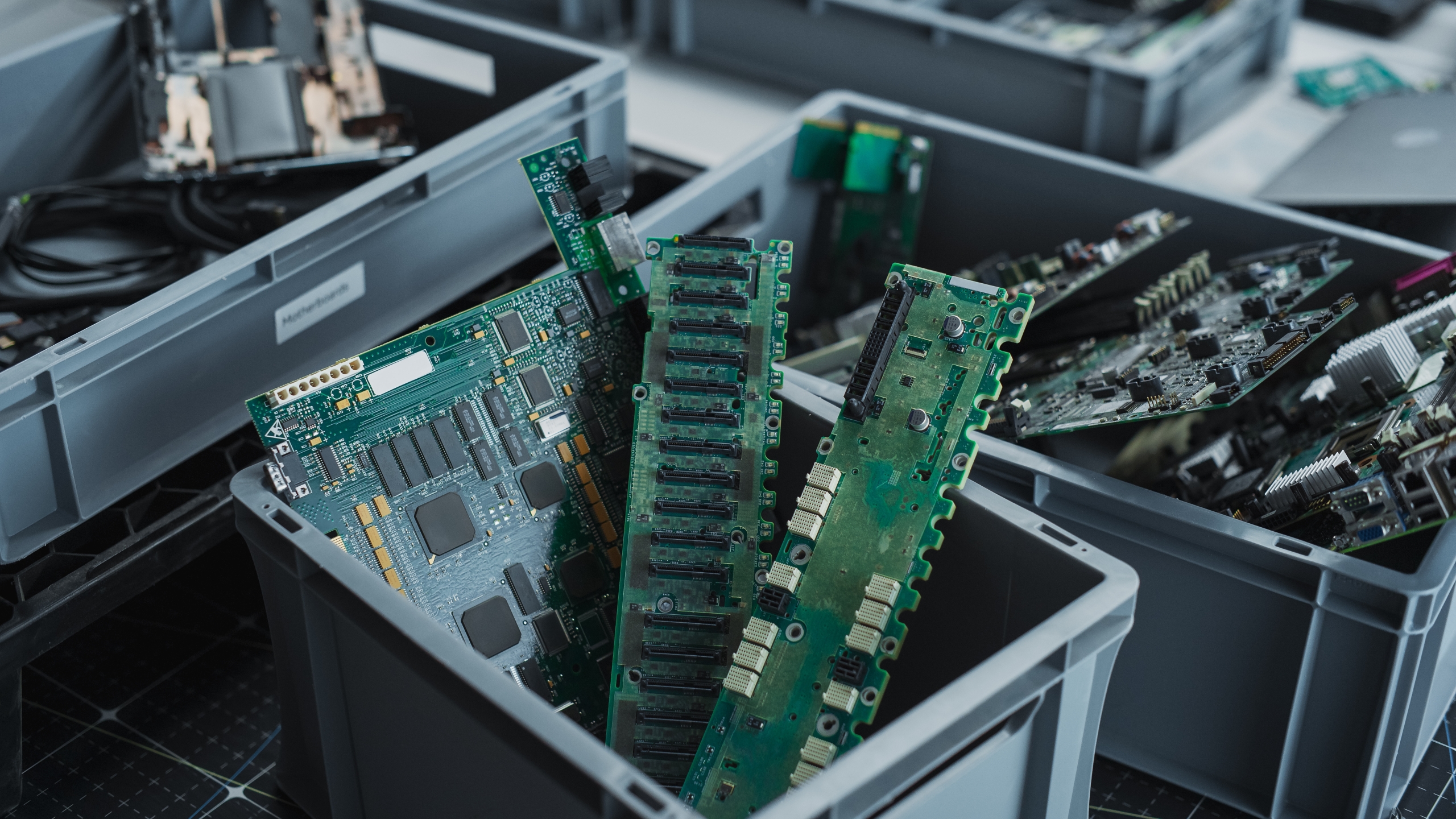
Others contain components or raw materials with strong demand in secondary markets. Demand for refurbished IT hardware has grown substantially in recent years. Businesses and educational institutions actively seek cost-effective alternatives to new equipment. Acting early in the disposition cycle captures the most value before further depreciation sets in. Enterprises that discard retired hardware without assessment are absorbing losses they do not have to accept.
How Asset Classification Shapes Value Recovery Outcomes
Not every retired device follows the same disposition path. Classification is the process of evaluating each asset to determine its highest-value use. Key factors include age, physical condition, model, and current market demand. Functional devices in good condition may qualify for resale or remarketing programs.
Older or damaged equipment may be better suited for component harvesting or responsible material recycling. Accurate classification protects financial outcomes and prevents unnecessary processing costs.
A thorough audit at the start of the disposition cycle is essential. Without it, firms risk undervaluing assets or routing them through the wrong channels entirely. Every dollar recovered through a formal initiative directly reduces the total cost of the technology refresh cycle.
The Role of Data Security in a Strong Value Recovery Strategy
Data destruction is foundational to value recovery, not separate from it. Devices cannot safely enter secondary markets without verified data sanitization. Skipping or inadequately completing this step creates regulatory exposure and limits resale options.
Certified data destruction, supported by documented chain-of-custody records, enables compliant asset transfers and downstream remarketing. It also shields businesses from liability tied to potential data breaches. Companies operating in regulated industries face strict data handling requirements.
Meeting those standards during disposition is non-negotiable. Adherence to guidelines such as NIST 800-88 strengthens audit readiness and satisfies internal governance requirements. A secure, documented disposition workflow is not an obstacle to maximizing financial gains. It is a prerequisite.
Optimizing Logistics to Protect Value Recovery at Scale
Large enterprises manage IT assets across many locations. Coordinating the collection, transport, and processing of retired hardware is a notable operational challenge. Poor logistics directly reduce net revenue. Equipment that is delayed, mishandled, or damaged in transit loses value quickly.
A systematic, nationwide logistics operation ensures assets arrive at processing facilities in prime condition. Consistency across sites supports documentation, chain-of-custody monitoring, and reporting transparency. Multi-location companies especially benefit from a certified provider with national reach.
Centralized oversight keeps disposition costs predictable and removes the burden from internal teams. A unified program is far more effective than fragmented, site-by-site approaches. These decentralized methods are difficult to track and harder to audit.
Start Maximizing Value Recovery With a Certified ITAD Partner
Working with a certified ITAD provider fundamentally changes disposition outcomes. RAKI Computers delivers comprehensive value recovery programs built on R2-certified processes, data destruction services, and nationwide logistics capabilities. Clients receive transparent reporting, audit-ready documentation, and returns that offset the cost of asset retirement. RAKI supports enterprises across healthcare, finance, manufacturing, government, education, and many other sectors.
Whether managing a single-site hardware refresh or a multi-location decommission, the objective remains the same. Reduce operational burden and maximize the return on retired technology assets. Retiring equipment does not have to be a net loss.
Connect with the RAKI team to build a disposition strategy tailored to your organization. With the right partner and a disciplined approach, it becomes a strategic advantage.


Leave a Reply
Want to join the discussion?Feel free to contribute!