
Why Old Technology Often Contains the Most Sensitive Data
Summary
Old technology holds more sensitive data than most firms realize. Learn why legacy devices create risks and how certified destruction eliminates them.
Retired technology sits at the intersection of two serious risks: outdated security controls and unaddressed data exposure. Legacy devices accumulate years of sensitive data across operating systems, applications, and storage partitions that standard disposal methods rarely reach. Organizations that treat old technology as low-priority hardware invite the data security consequences that follow.
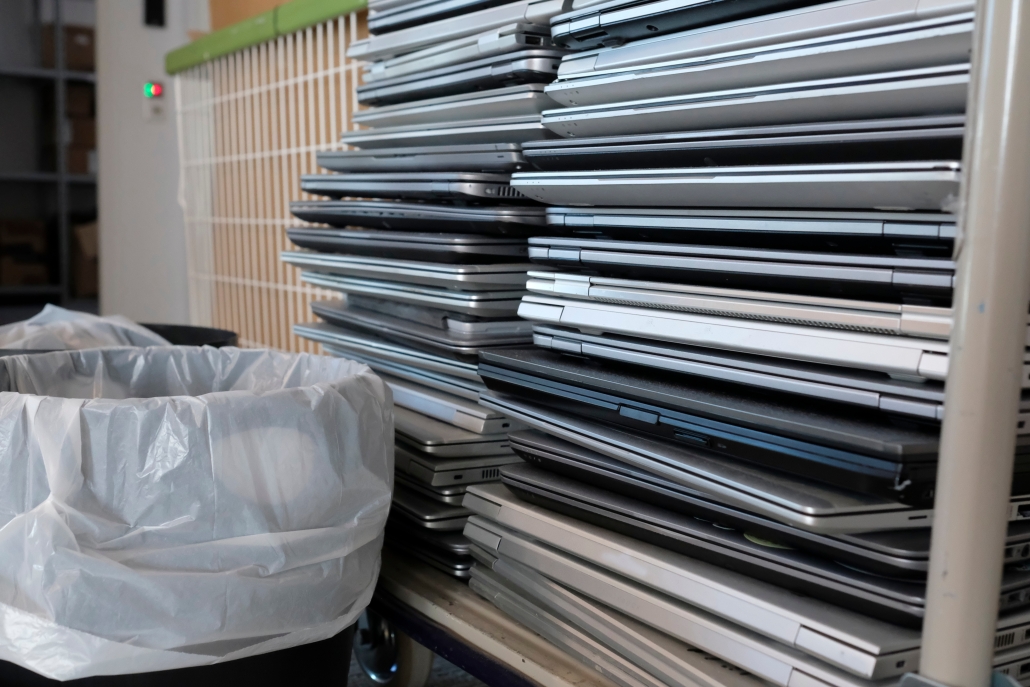
Most firms focus data protection efforts on active systems while legacy devices age in storage rooms, equipment cages, and employee closets. Sensitive data does not expire when a device does, and attackers who recover improperly disposed hardware know exactly where to look. A structured retirement process that prioritizes sensitive data elimination protects your organization from liabilities that informal disposal consistently creates.
Why Legacy Devices Accumulate More Sensitive Data Than Current Hardware
Legacy devices accumulate sensitive data across longer deployment cycles, more user profiles, and more application environments than current hardware. A laptop deployed for five years holds credentials, emails, financial records, and application data from every user and system it touched during that time. Retiring that device without certified data elimination exposes everything it collected across its entire operational life.
Older devices also predate many of the data minimization practices that modern security frameworks require organizations to follow. Data that would never be stored on a current device under today’s policies often sits unaddressed on legacy hardware.
Enterprise storage systems and decommissioned servers hold database records, backup files, and archived communications that organizations often forget exist. Age does not diminish the sensitivity of that data or the liability it creates if recovered by an unauthorized party.
Legacy mobile devices present a similar problem, accumulating authentication tokens, cached application data, and network credentials across years of active use. Retiring those devices without certified sanitization hands attackers a ready-made toolkit for accessing systems your organization still operates today.
The Hidden Storage Locations That Standard Disposal Methods Miss
Standard disposal methods address obvious storage media while leaving hidden storage locations on legacy devices completely untouched. Factory resets, basic formatting, and MDM unenrollment each fail to reach the firmware partitions, hidden recovery volumes, and embedded storage controllers where sensitive data persists. Organizations that rely on those methods believe devices are clean when they are not.
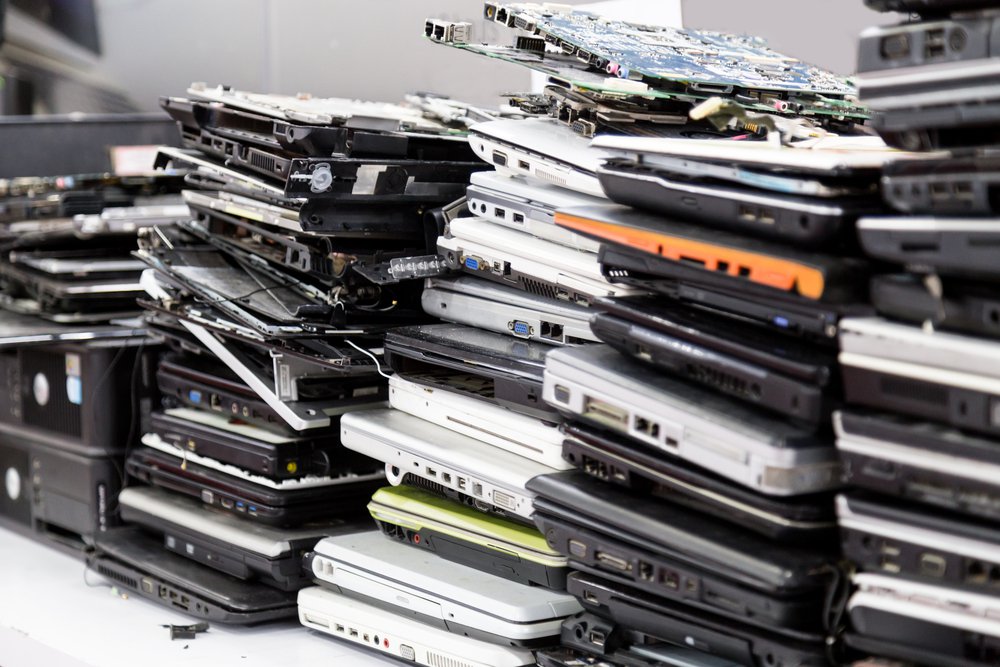
Solid-state drives store data across memory cells that standard overwrite methods cannot fully address without cryptographic erasure or physical destruction. Wear-leveling algorithms on SSDs actively preserve data in locations that software wipes never reach.
Printer hard drives store images of every document printed, scanned, or copied during the device’s operational life. Most organizations retire printers without ever addressing the storage media inside them.
Network equipment including routers, switches, and firewalls holds configuration files, authentication credentials, and network topology data in onboard storage. Disposing of that equipment without certified sanitization hands attackers a detailed map of your network infrastructure.
Legacy medical devices, industrial controllers, and specialized clinical workstations store sensitive data in proprietary formats that standard erasure tools cannot interact with. Certified destruction is often the only viable path to verified data elimination on those device categories.
How Sensitive Data on Old Technology Creates Regulatory Exposure
Sensitive data on improperly retired legacy technology creates regulatory exposure that grows with every device your organization fails to address. HIPAA, GLBA, FACTA, and state-level privacy laws each impose specific requirements on how organizations must handle sensitive data at end of life, regardless of the age of the device that holds it. Regulators do not accept device age as a justification for incomplete data destruction.
Data breaches originating from improperly retired legacy hardware trigger the same notification requirements. They generate worse penalty exposure and regulatory scrutiny as breaches from active systems. Your organization carries full liability for sensitive data on every device it has ever deployed until certified destruction eliminates that exposure.
Legacy devices recovered from improper disposal channels have appeared in regulatory investigations, civil litigation, and public breach disclosures across every major industry. The reputational damage that follows those disclosures compounds the financial penalties regulators impose.
Documented certified destruction is the only defense your organization can present when regulators ask how you handled sensitive data on retired legacy technology. Without that documentation, your organization cannot prove destruction occurred or that it met the required standard.
Secure Data Destruction and Disposition for Legacy Technology
Securing sensitive data on legacy technology requires a destruction and disposition process built around the specific challenges older devices present. Standard erasure tools, factory resets, and informal disposal methods leave data intact on legacy hardware. A certified approach addresses every storage location, every device category, and every regulatory requirement your legacy retirement program touches.

NIST 800-88 provides the authoritative framework for sanitizing legacy devices across clear, purge, and destroy levels. Applying the correct sanitization level to each device based on its data classification and reuse pathway eliminates sensitive data without leaving recoverable remnants.
Physical destruction through industrial shredding remains the most reliable path for legacy devices that cannot meet purge-level sanitization requirements. Shredding renders storage media completely unrecoverable regardless of the device category, age, or proprietary storage architecture involved.
Every destruction event must produce a serialized Certificate of Data Destruction tied to the specific device’s serial number and destruction method. Your compliance, legal, and security teams need that certificate to demonstrate that sensitive data on legacy technology was eliminated in accordance with the required standard. Disposition documentation closes the liability loop that improperly retired legacy devices leave open indefinitely.
Retire Legacy Technology Without Leaving Sensitive Data Behind
Old technology carries data liabilities that grow every day a device sits unaddressed in storage. A certified destruction and disposition process eliminates that exposure with documented proof your compliance team can stand behind. Raki Computers gives your organization the certified processes to retire legacy devices without leaving sensitive data vulnerable.
Every legacy device your organization holds is a liability until certified destruction closes it out. Raki Computers delivers NIST 800-88 compliant sanitization, physical destruction, and serialized Certificates of Data Destruction for every device you retire. Contact Raki Computers today to build a legacy device retirement program that leaves no sensitive data behind.


Leave a Reply
Want to join the discussion?Feel free to contribute!