
Data Center Consolidation: Securely Managing Surplus IT Equipment

Summary
Learn how to securely manage surplus IT equipment during data center consolidation. Reduce risk, protect data, and simplify disposal at scale.
Data center consolidation projects generate volumes of surplus servers, storage arrays, and networking gear that quickly overwhelm standard disposal processes. Consequently, retired equipment often sits in staging areas longer than it should, creating security exposure and audit risk. Structured planning turns that surplus volume into a controlled, documented disposition workflow.
Consolidation timelines compress migration, retirement, and disposal into narrow windows across multiple facilities. Retired hardware carries residual data, environmental liability, and unrecovered value that in-house teams rarely have capacity to manage. Certified partners close those gaps with coordinated logistics and audit-ready reporting.
How Do You Securely Manage Surplus IT Equipment During Data Center Consolidation?
Secure surplus management during data center consolidation combines certified sanitization, serialized chain of custody, coordinated logistics, and audit-ready documentation across every site. You match each retired device to a verified disposition method before it leaves the facility. As a result, your organization protects sensitive data, satisfies auditors, and recovers value from equipment that would otherwise become pure cost.
Why Data Center Consolidation Creates Unique Surplus Risk
Consolidation projects concentrate retirement volume in a way that few enterprise disposal programs are designed to handle. Consequently, servers, storage arrays, and networking equipment accumulate faster than certified partners can process without pre-planning. Coordinated logistics from day one keep that surplus from becoming a security or compliance liability.
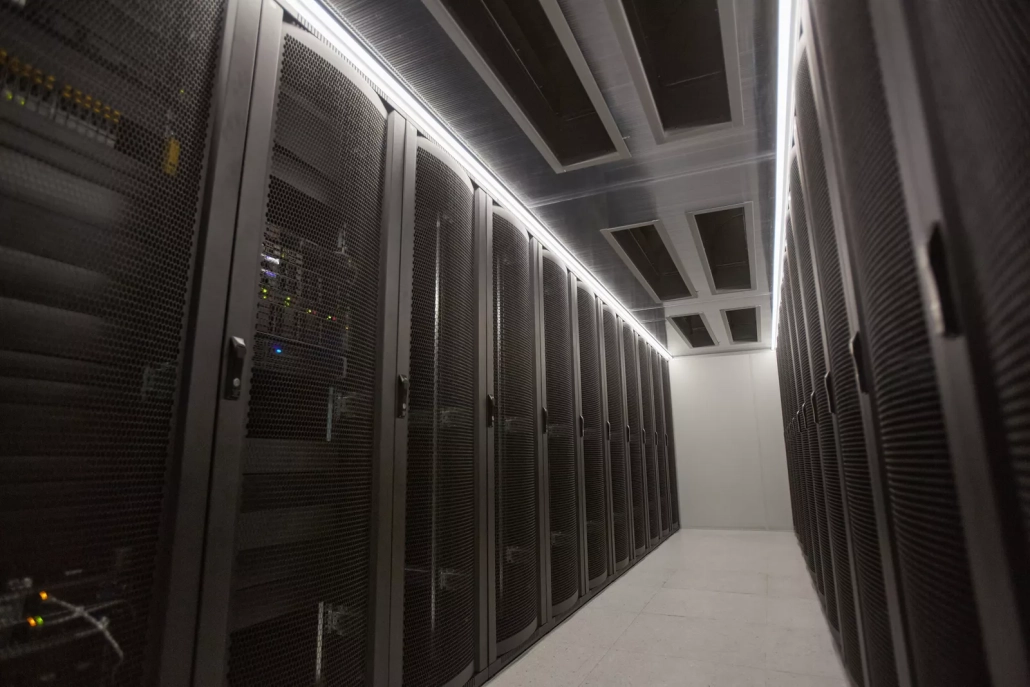
According to the Uptime Institute 2024 Global Data Center Survey, data center energy and operating costs now represent one of the largest uncontrolled IT budget line items for enterprise organizations. Similarly, most enterprises report no formal plan to address those rising costs. Structured consolidation programs close that gap while retiring surplus hardware securely.
Legal and compliance teams also feel the impact when surplus equipment lingers in staging areas. Therefore, defensible planning reduces both operational and regulatory exposure across every migrated site. Serialized documentation ties every retired device to a verified disposition outcome.
Learn how our data center decommission services support enterprise consolidation projects with coordinated surplus management.
The Core Data Security Risks in Consolidation Projects
Servers and storage arrays hold vastly more sensitive data than the endpoint devices most disposal programs are built around. Additionally, a single retired chassis can contain databases, backups, credentials, and cached data across multiple storage components. Overlooking any one of those creates exposure that surfaces during breach investigations or audits.
According to the Blancco 2026 State of Data Sanitization Report, 32% of organizations that experienced a leak attributed it to redeployed drives or devices retaining sensitive data. Additionally, 44% of data center assets are now physically destroyed rather than sanitized for reuse. Consolidation projects magnify both risks by compressing decisions across large volumes.
Your program should apply verified sanitization to every data-bearing component before equipment leaves the facility. As a result, you gain defensible evidence of due diligence across every retired serial number. Certified partners provide the sanitization tools and destruction infrastructure that in-house teams rarely maintain.
Explore how secure data destruction protects sensitive information across every consolidated site.
How to Structure Surplus Management for Data Center Consolidation
A defensible consolidation program treats surplus management as a core project workstream rather than a post-migration cleanup. Otherwise, retired equipment becomes a bottleneck that delays facility closure and extends security exposure. Structured pacing turns high-volume consolidation into a predictable operational rhythm.
Your team should coordinate specific activities across migration, retirement, and disposal phases. In practice, the following elements distinguish enterprise-grade data center consolidation programs from ad hoc surplus handling.
- Pre-consolidation inventory: Verified records of every asset scheduled for retirement
- Wave-aligned pickup: Scheduled removal that matches migration timelines
- On-site sanitization: Certified data destruction before equipment leaves secured spaces
- Serialized reporting: Device-level records tied to sanitization outcomes and dates
- Value recovery: Structured remarketing that offsets consolidation capital costs
Coordinated planning also reduces the internal workload on IT and facilities teams during peak project weeks. Read our checklist on technology refresh equipment disposition to strengthen post-consolidation workflows.
What to Require From Your Disposal Partner During Consolidation
Consolidation projects succeed or stall based on how well your disposal partner integrates with your migration schedule. Consequently, contract language should tie certifications, reporting formats, and service levels to measurable outcomes. A certified partner turns data center consolidation surplus into synchronized project execution rather than a cleanup phase.
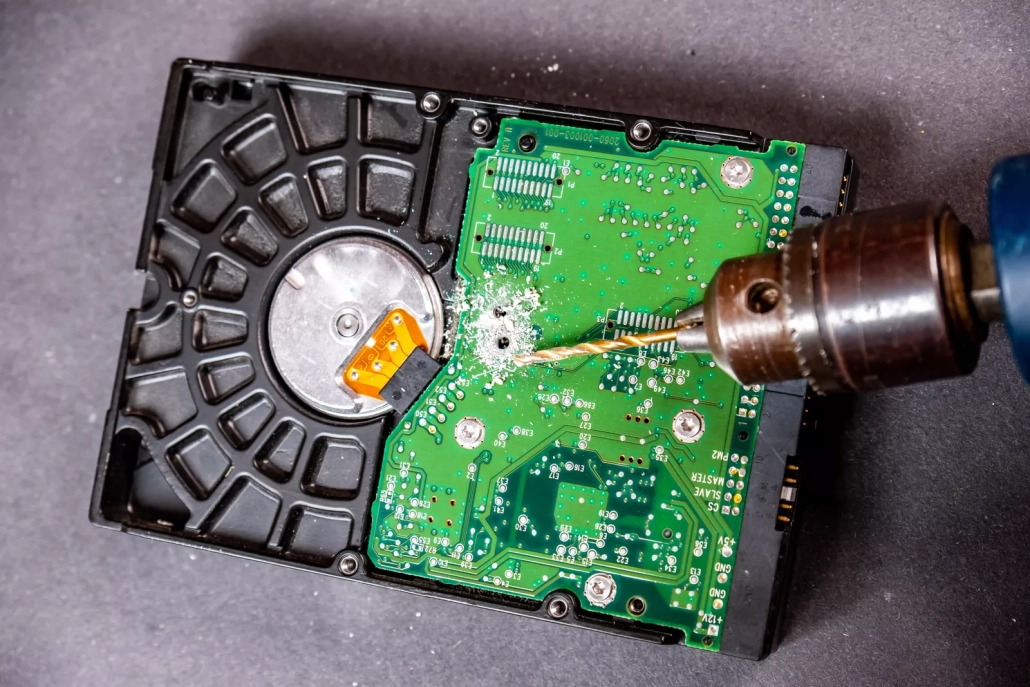
Your partner should deliver specific capabilities that align with enterprise consolidation timelines and audit requirements. Additionally, coordinated scheduling ensures retired equipment moves in lockstep with migration rather than lagging behind.
- Certification depth: R2v3, NAID AAA, ISO 9001, ISO 14001, and ISO 45001 on file
- Nationwide coverage: Consistent execution across every facility in one project
- Chain of custody controls: Time-stamped handoffs from pickup through final disposition
- Wave-aligned logistics: Scheduled removal that matches consolidation phases
- Unified reporting: Standardized documentation across every migrated site
Partner integration also reduces audit preparation time across every regulated jurisdiction. Learn more about our approach to centralizing asset disposition for national organizations.
Turn Consolidation Surplus Into a Controlled, Defensible Outcome
Data center consolidation projects reward organizations that treat surplus management as a core project function rather than a logistics afterthought. Coordinated disposal reduces breach exposure, protects audit posture, and preserves value from retired equipment across every migrated site. The result is a consolidation that satisfies IT, legal, compliance, and finance stakeholders alike.
RAKI supports enterprise consolidation programs with R2v3, ISO-certified processes, nationwide coverage, and serialized reporting on every retired device. Our team integrates with your migration calendar to deliver wave-aligned pickup, on-site sanitization, and audit-ready documentation. To plan your next consolidation with a coordinated disposal partner, reach out to us today.

Leave a Reply
Want to join the discussion?Feel free to contribute!