
Why A Certificate of Destruction Are Essential for Audit-Ready IT Asset Disposition
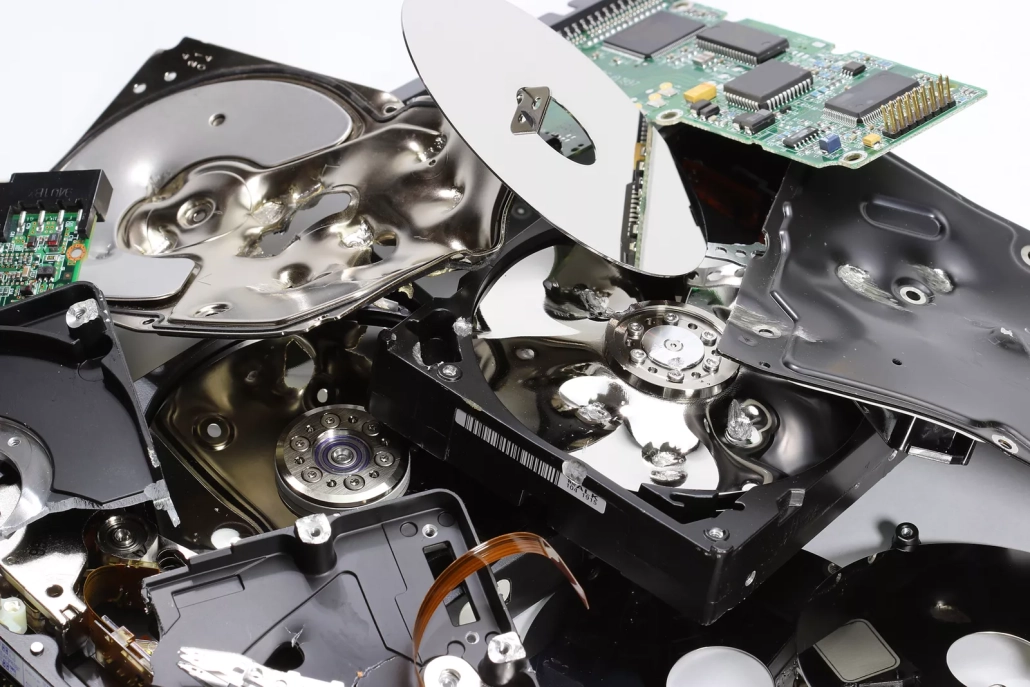
When a company retires laptops, servers, or hard drives, one question always comes up: how do you prove the data is really gone? A Certificate of Destruction answers that question with documented, verifiable proof that data-bearing devices were properly wiped or physically destroyed. For IT decision-makers managing compliance risk, this single document often determines whether an organization passes or fails an audit.
What A Certificate Of Destruction Actually Confirms
A Certificate of Destruction is a formal record issued after data-bearing equipment has been erased or physically destroyed. It typically includes asset details like manufacturer, model, and serial number, along with the destruction method and date.
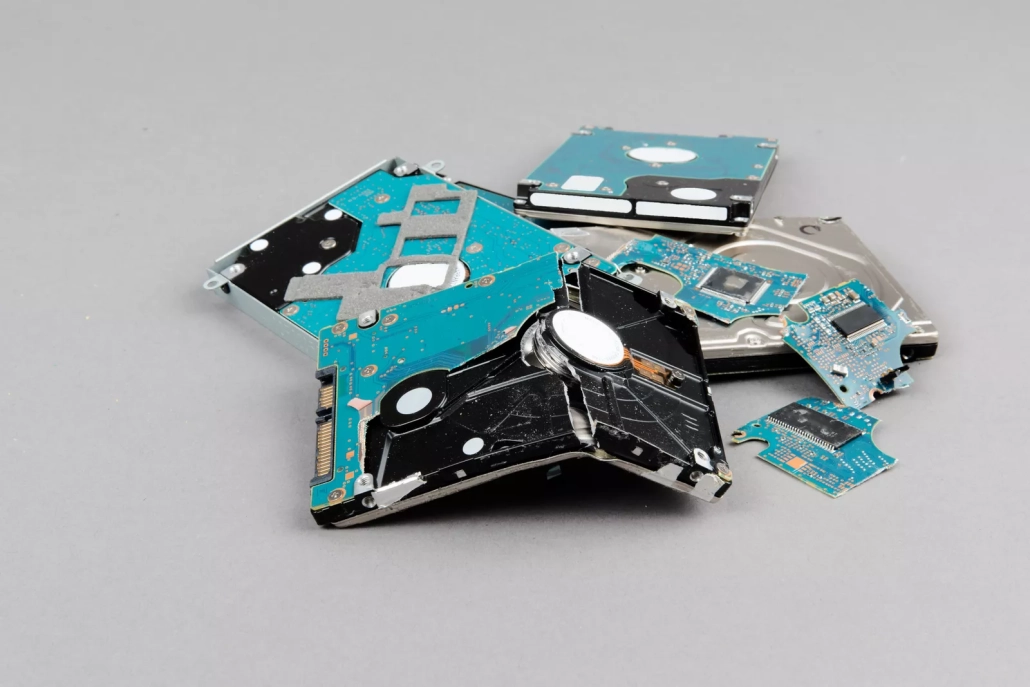
This documentation gives organizations tangible proof for secured data destruction, rather than a verbal assurance that “it was handled.”
Why Auditors Demand This Documentation
Auditors reviewing IT asset disposition don’t just ask what happened to retired equipment. They ask how well an organization can prove it happened. Whether a company is subject to HIPAA, GDPR, SOX, or internal governance policies, auditors expect verifiable records for every asset that leaves the environment, including certificates of data destruction, chain-of-custody logs, and serial number tracking.
Missing this documentation creates real exposure. Regulators fined Morgan Stanley a combined $95 million. The OCC fined the firm $60 million in 2020, and the SEC fined it $35 million in 2022. The sanctions followed Morgan Stanley’s decision to send thousands of hard drives containing unencrypted client data to a moving company with no data-destruction experience, which then resold them at auction.
The devices even had encryption capability that the firm had never activated. Counting a separate 60 million dollar class-action settlement and a later 6.5 million dollar multistate settlement, the total fallout climbed past 160 million dollars, not counting reputational damage.
Chain Of Custody And Regulatory Coverage
A Certificate of Destruction works best as part of a larger documented chain of custody, not as a standalone form. Complete ITAD records should track every asset from pickup through final disposition, including environmental recycling records and proof of compliance with applicable regulations.
Common frameworks that organizations must align with include:
- HIPAA for healthcare data protection requirements
- GDPR for organizations handling data tied to EU individuals
- SOX for financial reporting and internal controls
- NIST 800-88 and DoD 5220.22-M for data sanitization standards
Without this layered documentation, even a genuinely secure disposal process can look negligent on paper during a review.
Environmental Compliance Adds Another Layer
Data security isn’t the only risk tied to IT asset disposition. Electronics contain hazardous materials like lead and mercury, and improper disposal without documented recycling can trigger EPA violations or breaches of e-waste laws.
This is why credible providers pair data destruction certificates with environmental compliance records that meet regulatory scrutiny.
How RAKI Computers Supports Audit Readiness
RAKI Computers issues a Certificate of Destruction after every job, giving clients documented proof that data was securely erased or destroyed. As an R2-certified provider, RAKI also delivers serialized asset reports and environmental compliance records that support audit-ready reporting across regulated industries.
This structured documentation reflects a nationwide commitment to secure, compliance-driven IT asset disposition.
Protect Your Organization Before The Next Audit
You don’t want to be scrambling for proof of data destruction when an auditor asks for it. Send us a message today to build a documented, audit-ready disposition process before your next compliance review arrives.


Leave a Reply
Want to join the discussion?Feel free to contribute!