Using IT Asset Recovery to Support Community Connectivity and Environmental Responsibility
Summary
IT asset recovery turns retired equipment into community resources. See how refurbishment, secure data wiping, and recycling reduce waste and expand access.
Organizations across the country retire thousands of laptops, desktops, and servers every year. IT asset recovery offers a way to turn that retired equipment into a resource that strengthens communities and protects the environment, rather than letting it sit idle or end up in a landfill.
Why IT Asset Recovery Matters Today
Retired technology carries more than sensitive data. It also carries residual value and material resources that organizations can put to better use. A structured IT asset recovery program evaluates each device for refurbishment and remarketing potential before routing it toward recycling. This process helps IT leaders reduce disposal costs while making sure equipment does not become an environmental liability.
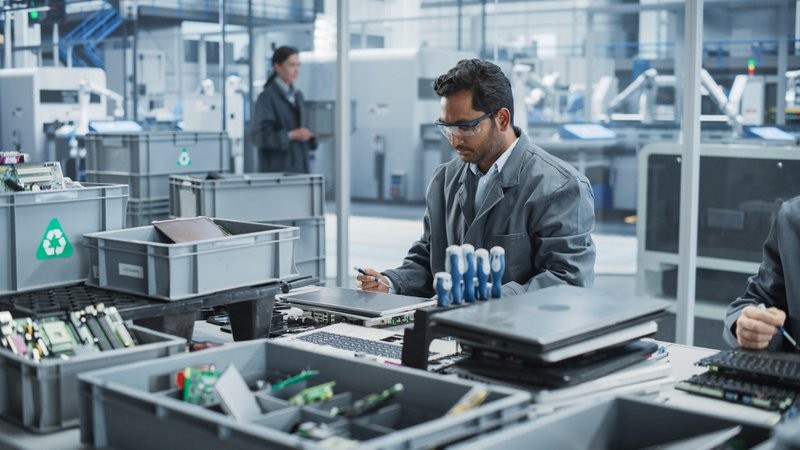
Companies retire more than 10 million laptops every year in the United States alone. Most of that hardware still has usable life left in it. When organizations treat retired devices as recoverable assets instead of waste, they open the door to reuse programs that serve people who lack reliable access to technology.
How IT Asset Recovery Bridges the Digital Divide
Refurbished devices from corporate IT asset recovery programs are already changing lives in underserved communities. Nonprofits collect used laptops from businesses, wipe them securely, and redistribute them to students and families who need them most. One nonprofit gave away 700 refurbished laptops to students attending historically Black colleges and universities, closing a real gap in access to education.
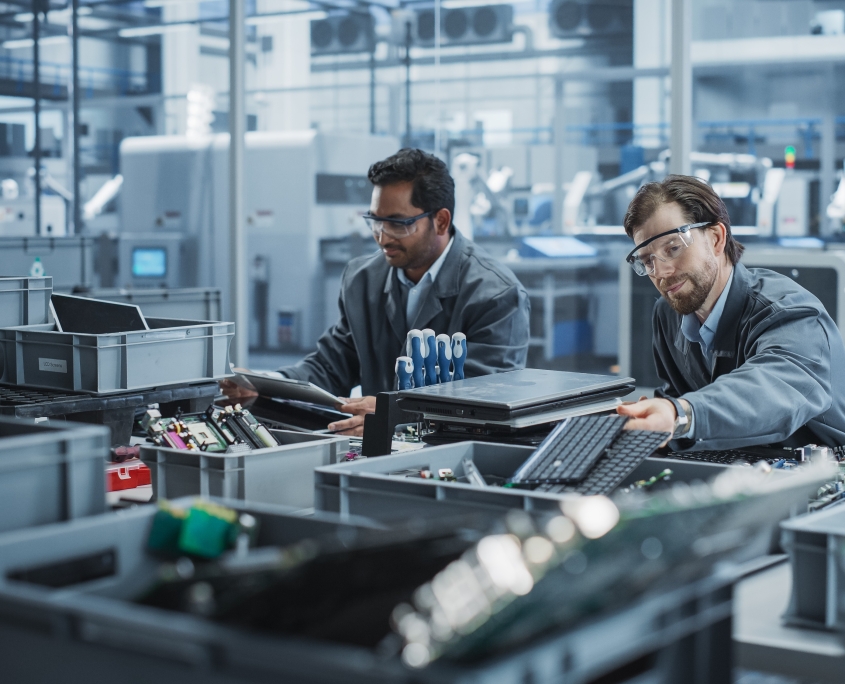
These distribution models follow a consistent pattern. IT asset recovery programs generally include these stages:
- Collection: Devices are picked up from businesses upgrading their equipment.
- Data security: Devices are wiped to recognized standards before reuse.
- Refurbishment: Equipment is graded, tested, and prepared for a second life.
- Distribution: Refurbished units reach schools, libraries, and community centers.
- Recycling: Devices beyond repair are recycled responsibly instead of landfilled.
During the pandemic, one nonprofit helped distribute more than 28,000 computers to students switching to virtual learning, with support from major city partnerships. This kind of impact shows how corporate IT asset recovery decisions ripple outward into local communities.
Environmental Benefits of Extending Device Life
Every laptop that gets a second life through refurbishment avoids the environmental cost of manufacturing a replacement. Reusing a device prevents hundreds of kilograms of carbon emissions that would otherwise come from producing a new one. This makes IT asset recovery a direct lever for reducing an organization’s environmental footprint.
Environmental responsibility in hardware disposal is also a legal and reputational obligation that organizations carry with every device they retire. Extending equipment life through reuse, rather than immediate disposal, lowers storage costs, reduces disposal logistics, and supports measurable sustainability goals. When devices do reach true end-of-life, ethical recycling ensures materials stay out of landfills entirely.
Balancing Data Security With Reuse Goals
IT decision-makers often hesitate to donate or resell equipment because of data security concerns. This hesitation is reasonable. Devices must be sanitized to recognized standards, such as NIST 800-88, before they leave an organization’s control. A responsible IT asset recovery process treats data destruction as a required first step, not an afterthought, ensuring that reuse and compliance work together instead of competing with each other.
Chain-of-custody documentation matters just as much as the wipe itself. A compliant program addresses data security, environmental responsibility, and documentation under one verified process. This gives IT leaders the audit trail they need while still allowing equipment to serve a second purpose in the community.
RAKI’s Role in Responsible Asset Recovery
RAKI Computers supports organizations with structured IT asset recovery programs that combine secure data destruction with responsible remarketing and recycling. As an R2-certified provider, RAKI evaluates each device for its reuse or resale potential before routing it toward certified recycling, helping clients recover financial value while meeting environmental obligations.
RAKI’s Sort and Settle program also gives organizations a transparent settlement report and return payment for equipment that retains fair market value, alleviating the internal workload of sorting large volumes of retired IT assets.
If your organization is ready to turn retired IT equipment into a resource for your community and your bottom line, reach out to RAKI Computers. We’ll help you build a secure, compliant IT asset recovery program tailored to your needs.


Leave a Reply
Want to join the discussion?Feel free to contribute!