
How Professional Asset Recovery Can Reclaim Your IT Budget

Summary
Retired hardware holds more value than most firms realize. Learn how professional asset recovery turns end-of-life IT assets into real budget relief.
Most organizations write off retired hardware as a sunk cost without exploring the residual value those assets still hold. Servers, networking equipment, and enterprise storage arrays retain market value long after they leave active deployment. Professional asset recovery turns that value into measurable budget relief on every refresh cycle.
Large firms running frequent refresh cycles leave significant money on the table by treating disposition as a cost. A structured recovery program combines certified data destruction, transparent asset valuation, and access to established secondary markets. Partnering with a certified provider converts end-of-life hardware into real budget impact without compromising data security or compliance.
The Financial Impact of Asset Recovery on Your IT Budget
Professional asset recovery transforms end-of-life hardware from a budget liability into a documented financial return your IT and finance teams can plan around. Most organizations underestimate how much residual value their retired assets hold until a certified valuation puts a number on it. Building asset recovery into your refresh cycle turns disposition from a cost center into a revenue line.
Large firms retiring hundreds of assets annually generate meaningful remarketing revenue that offsets the cost of certified disposition. Capturing that revenue requires a structured program with transparent valuation and access to established secondary markets.
Organizations that delay disposition past optimal remarketing windows lose value that compounds with every quarter assets sit unprocessed. A certified recovery partner helps your team time disposition decisions to maximize what each asset category returns.
Asset recovery revenue reduces the net cost of your next hardware procurement cycle. Finance teams that account for recovery returns in refresh planning consistently achieve lower total cost of ownership across their technology lifecycle.
How Hardware Depreciation Affects the Value Your Organization Can Recover
Hardware depreciation follows a predictable curve, and understanding that curve determines how much value your organization captures from every retired asset. Every quarter, a device sitting in storage past its optimal remarketing window represents lost revenue your organization cannot recover. Timing disposition decisions around depreciation cycles is one of the highest-return adjustments your IT and finance teams can make.
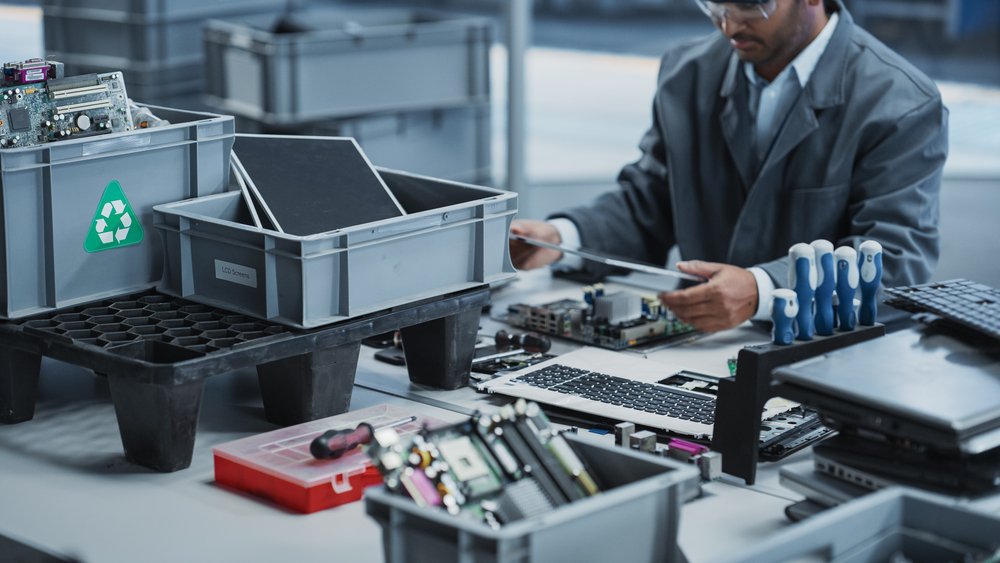
Servers and enterprise networking equipment depreciate faster once a new product generation enters the market. Waiting until the next refresh cycle to process retired data center assets often means the best remarketing windows have already closed.
Laptops and workstations follow a similar pattern, with secondary market demand dropping sharply after three to four years. Organizations that process retired devices within thirty to sixty days of decommissioning consistently recover more value.
Mobile devices depreciate faster than any other enterprise asset category and require the tightest disposition timelines. A certified recovery partner provides market intelligence on depreciation curves for every asset category your organization retires.
Giving your team that data before disposition decisions are made separates a high-return recovery program from one that consistently leaves money on the table. Organizations that act on depreciation intelligence recover more value across every refresh cycle they run.
What Professional Asset Recovery Actually Involves
Professional asset recovery is a structured, end-to-end process. It combines asset valuation, certified data destruction, remarketing, and disposition documentation under one verified program.
Most organizations confuse asset recovery with informal resale or ad hoc disposal. Neither of these delivers the financial return or compliance documentation that a certified program provides. Understanding what the process actually covers changes how your IT and finance teams approach every hardware refresh cycle.
Every engagement starts with a transparent valuation assessing each retired asset for remarketing potential, parts harvesting value, or material recovery opportunity.
-
Asset Valuation – A certified provider assesses every retired device for remarketing potential, parts harvesting value, or material recovery opportunity before routing it to a disposition pathway.
-
Certified Data Destruction – Every device undergoes NIST 800-88 compliant sanitization or physical destruction before entering any remarketing or redeployment channel.
-
Secondary Market Access – Certified providers access established buyer networks that most organizations cannot reach independently, generating stronger resale prices and faster disposition timelines.
-
Chain-of-Custody Documentation – Every asset moves through a documented chain of custody from collection through final disposition, giving your compliance team an auditable record at every stage.
-
Certificates of Data Destruction – Every disposition event produces a serialized certificate tied to the specific device’s serial number, giving your legal and compliance teams documented proof of destruction.
Professional asset recovery is not just a financial program. It is a compliance program with a measurable financial return built into every engagement your organization runs.
How to Build an Asset Recovery Program That Delivers Consistent Returns
Building an asset recovery program that delivers consistent returns starts with aligning your IT, finance, and compliance teams around a shared disposition framework. Most organizations treat asset recovery as an afterthought, engaging a provider after devices have already depreciated past their optimal remarketing window. Early engagement is where the financial upside in a recovery program gets captured or permanently lost.
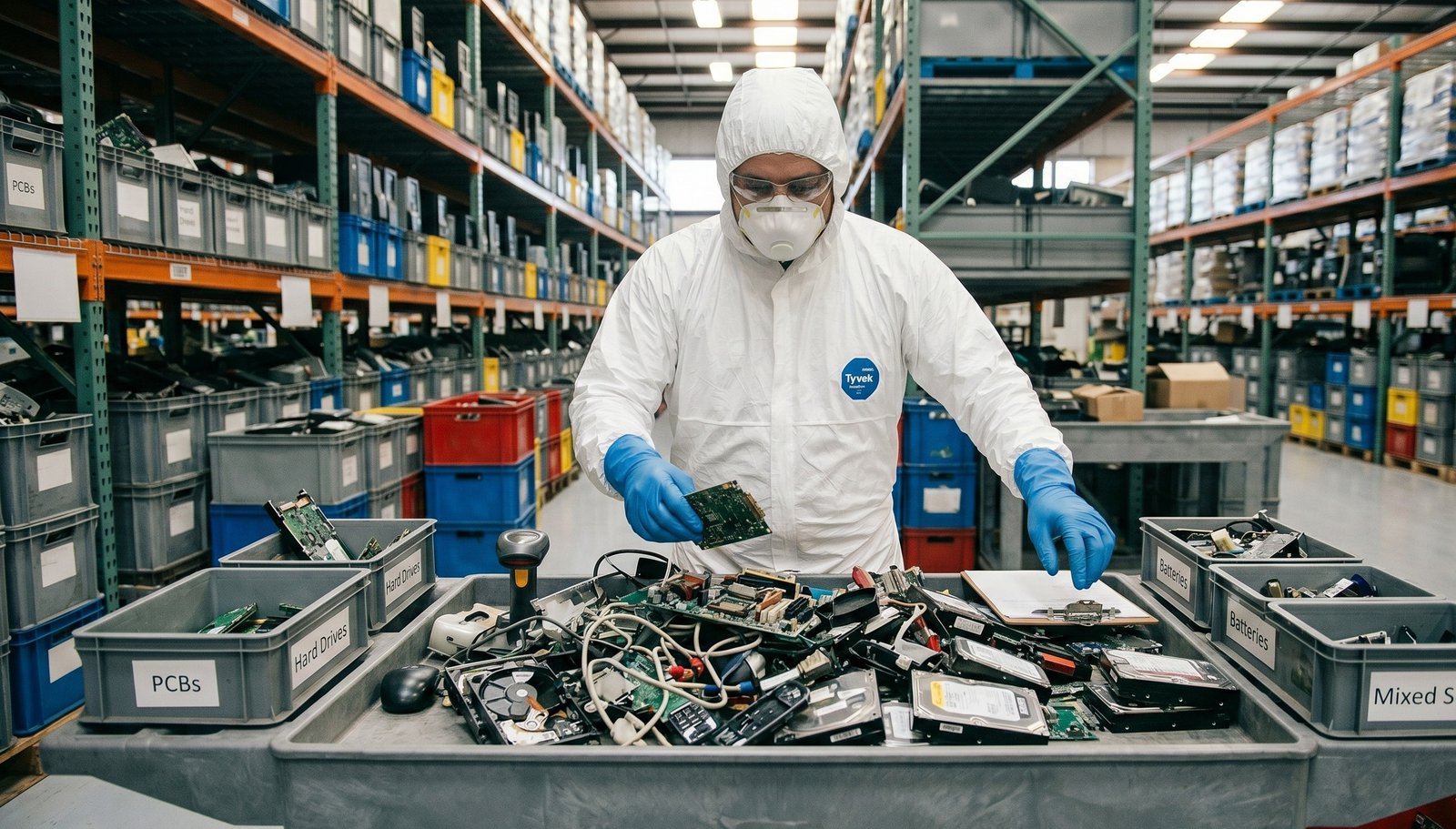
Your certified asset recovery partner should conduct a full asset inventory and valuation before any device moves through the disposition process. That valuation gives your finance team a projected return to incorporate into refresh planning and budget forecasting.
Disposition timelines must be built into your refresh schedule, not added after the fact. Devices processed within a defined window of decommissioning consistently yield stronger returns than assets managed on an ad hoc basis. Your program should treat asset recovery as a standing line item in every hardware refresh cycle.
Organizations that build recovery planning into procurement decisions and refresh schedules recover more value over time. Lowering the total cost of your technology lifecycle starts with treating disposition as a financial strategy rather than a facilities problem.
Turn Your Retired Hardware Into IT Budget You Can Actually Use
Retired hardware holds financial value that disappears without a structured asset recovery program in place. Every refresh cycle your organization runs without certified remarketing is a missed opportunity to offset procurement costs and reduce total cost of ownership. Raki Computers gives your team the certified processes, transparent valuations, and secondary market access to capture that value before it depreciates away.
Every device your organization retires deserves a valuation before it reaches a recycling bin. Raki Computers delivers certified data destruction, serialized documentation, and documented remarketing returns for every asset your team hands off. Contact Raki Computers today to build an asset recovery program that puts retired hardware back into your IT budget.


Leave a Reply
Want to join the discussion?Feel free to contribute!