Preventing Sensitive Data Breaches via Professional Secure Data Destruction
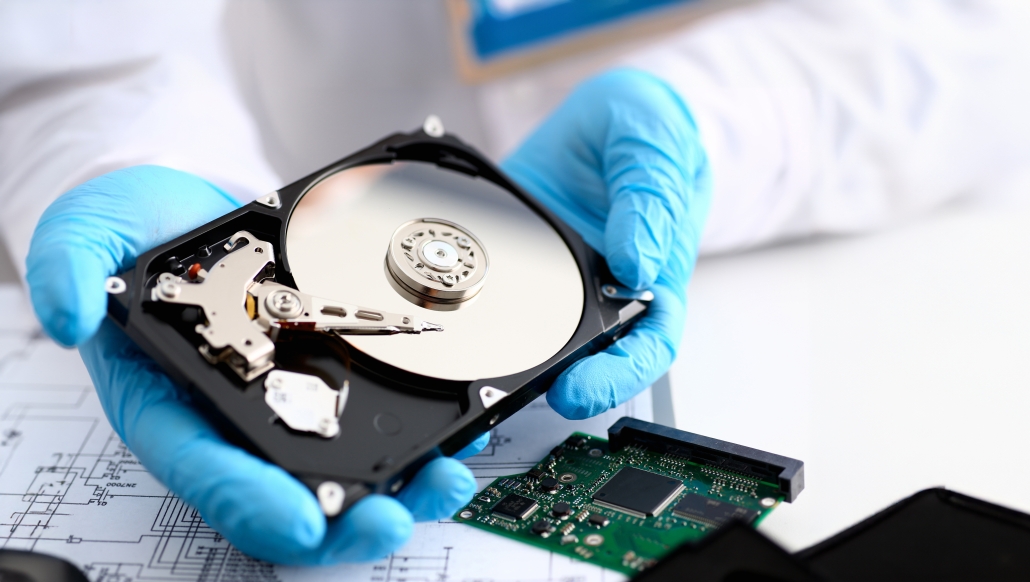
Data breaches rarely happen the way companies expect. Many don’t stem from network intrusions or phishing attacks. Instead, they originate from something far more overlooked: improperly decommissioned hardware. Secure data destruction is the process of permanently eliminating sensitive information from retired devices. It is a critical line of defense against unauthorized access.
Without a formal approach, retired laptops, servers, and storage drives can become serious liabilities. Understanding where data exposure risks emerge during the asset lifecycle is the first step toward preventing them.
Why Retired Devices Remain a Security Risk
Decommissioned hardware doesn’t automatically lose its data. Hard drives, solid-state drives, and mobile devices retain recoverable information long after they leave active service. A simple factory reset is not sufficient protection. Neither is physical damage without a verified destruction process. Storage media comes in many forms.
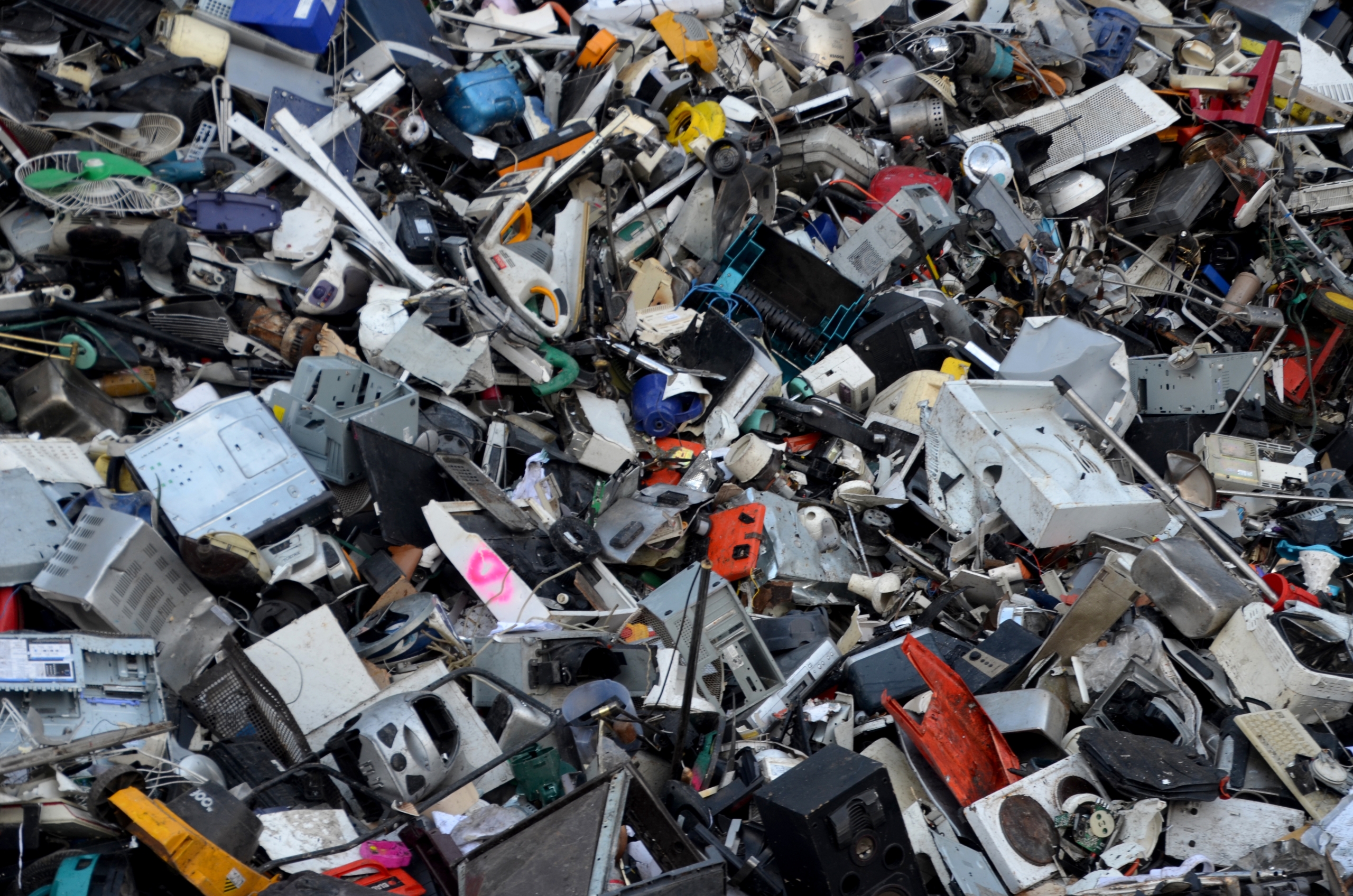
SSDs, USB drives, backup tapes, and even printer hard drives can hold sensitive data. All must be accounted for in any responsible disposition effort. Research has consistently shown that secondhand devices often still contain sensitive corporate or personal information.
The longer retired equipment sits unprocessed, the greater the potential for exposure. A reactive approach is rarely sufficient. Proactive planning for device retirement is the only reliable safeguard.
Common Failures in In-House Data Destruction
Many businesses attempt to manage data destruction internally. The intent is reasonable, but execution often falls short. Without certified tools and verifiable procedures, gaps are almost inevitable. Common shortcomings include:
Using deletion software that does not meet NIST 800-88 or DoD 5220.22-M standards
Lacking chain-of-custody records needed for regulatory audits
Failing to track all storage media across departments or multiple locations
Applying inconsistent methods that vary by site or personnel
These failures don’t just create security risks. They can trigger regulatory penalties and cause lasting reputational harm. The absence of formal records is particularly problematic. Regulators increasingly require firms to prove proper data disposal, not simply assert it.
How Secure Data Destruction Protects Regulatory Compliance
Compliance frameworks like HIPAA, GLBA, and SOX require organizations to manage sensitive data responsibly throughout its entire lifecycle. That responsibility extends to destruction. Non-compliance is not simply a technical violation. It can result in financial penalties, legal exposure, and loss of stakeholder trust.
Beyond those consequences, a breach linked to improper disposal can permanently damage client relationships and brand reputation. Professional secure data destruction services address these risks directly. They provide audit-ready documentation, including certificates of destruction and detailed chain-of-custody records.
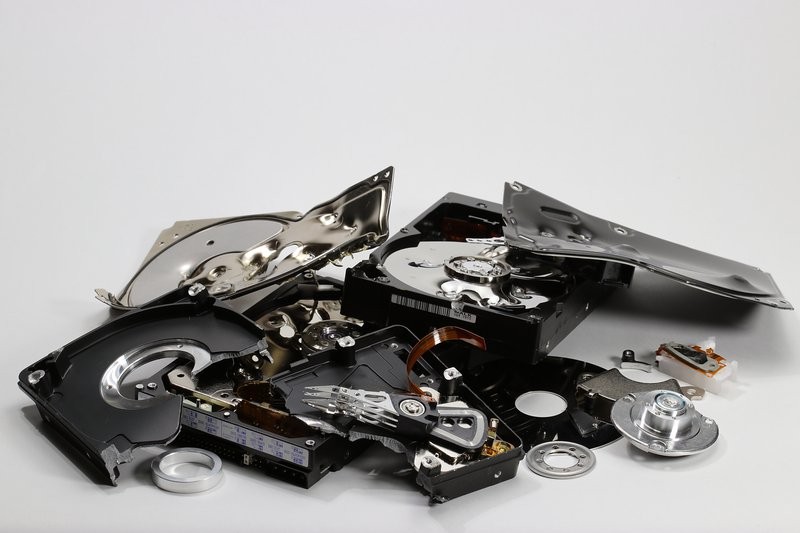
Auditors want evidence, not assurances. Certificates tied to specific asset serial numbers give companies a verifiable paper trail that holds up under review. Treating data destruction as a compliance function positions enterprises to withstand regulatory scrutiny.
Choosing a Certified Secure Data Destruction Partner
Certification is one of the clearest indicators of provider quality. R2 (Responsible Recycling) certification is a widely recognized standard in the ITAD industry. It reflects adherence to data security protocols, environmental accountability, and worker safety requirements. When evaluating a provider, transparency is essential. A provider that cannot clearly explain its methods or demonstrate its credentials is a provider worth reconsidering.
Look for thorough reporting, verified destruction methods, and logistics capabilities that align with your operational scale. A qualified partner should serve both single-location businesses and multi-site enterprises without sacrificing consistency.
Chain-of-custody tracking should be standard, not optional. Many professional ITAD providers also offer value recovery programs. These can offset disposal costs through the responsible resale or recycling of recovered components.
Make Secure Data Destruction a Strategic Priority
RAKI Computers provides R2-certified secure data destruction services to enterprises across the United States. Every engagement includes comprehensive documentation, from certificates of destruction to full chain-of-custody reporting. Whether managing a single-site equipment refresh or a nationwide decommissioning initiative, RAKI Computers delivers scalable, verifiable solutions.
Businesses managing complex multi-location equipment and growing data volumes need a dependable partner. RAKI Computers fills that role with precision and proven expertise. Reach out to their team today to learn how a professional data destruction program can reduce risk and advance your long-term security objectives.

Leave a Reply
Want to join the discussion?Feel free to contribute!