The Environmental Impact of Improper IT Asset Disposal
Summary
Improper IT asset disposal creates lasting environmental harm. Learn the risks and how certified disposition protects your organization.
Every retired laptop, server, and mobile device carries materials that were once inert on your network but become hazardous the moment they enter the wrong waste stream. Consequently, improper IT asset disposal creates environmental damage that persists long after your organization stops using the equipment. Certified disposition turns that risk into documented, measurable environmental performance.
Regulators, communities, and boards now hold enterprises accountable for where retired hardware ends up. Undocumented disposal often ends in landfills, informal recycling operations, or overseas dumping grounds. Certified partners give you defensible evidence that your equipment moved through responsible channels from pickup to final material recovery.
What Is the Environmental Impact of Improper IT Asset Disposal?
Improper IT asset disposal releases toxic heavy metals, persistent organic pollutants, and greenhouse gases into soil, water, and air across the disposal chain. It also wastes valuable materials such as copper, gold, and rare earth elements that could support new production. As a result, your organization faces environmental liability, reputational damage, and regulatory exposure that certified partners help prevent.
Why Improper IT Asset Disposal Creates Lasting Environmental Damage
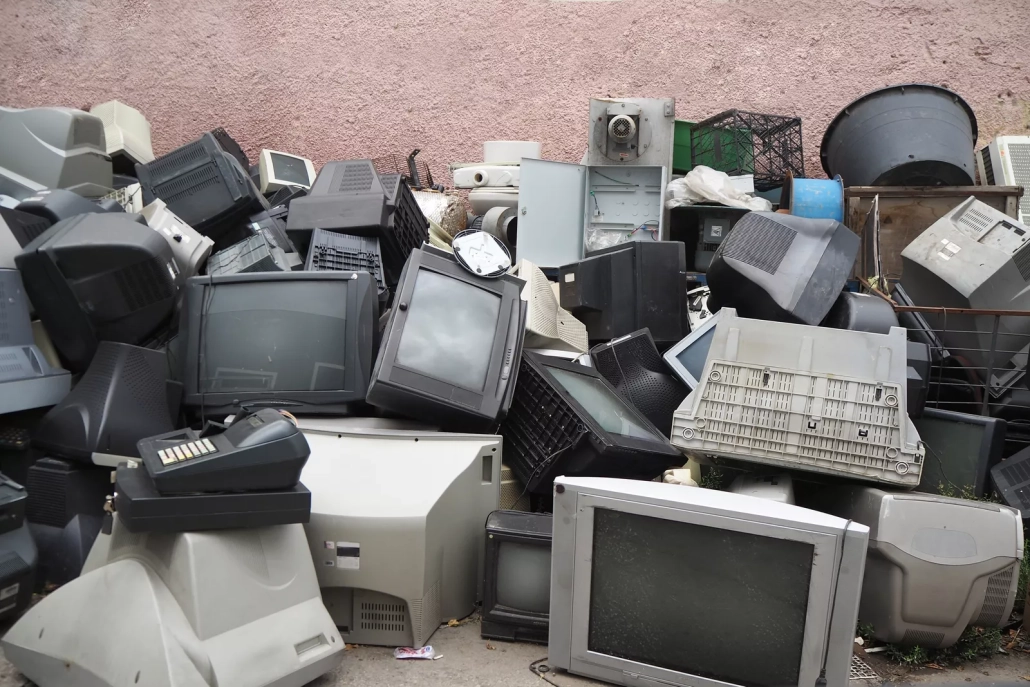
Retired electronics contain heavy metals, brominated flame retardants, and other hazardous substances that leach into ecosystems over time. Consequently, informal recycling and improper IT asset disposal spread those contaminants across soil, groundwater, and communities near processing sites. Certified disposition closes the pathways that allow those materials to escape.
According to the World Health Organization (WHO) on e-waste and child health, more than 18 million children and adolescents worldwide work in industries that include waste processing. Additionally, exposure to lead, mercury, and dioxins from informal e-waste sites carries documented developmental, neurological, and respiratory consequences. Corporate IT asset disposal decisions directly shape whether retired hardware feeds those exposure pathways.
Environmental damage also translates into direct legal and financial risk for the generating organization. Therefore, tracking retired assets through their full end-of-life journey has become a core enterprise responsibility. Certified partners provide the documentation and downstream visibility that regulators now expect.
Learn how our ITAD and e-waste recycling program protects environmental performance across every retirement cycle.
How Landfilled Electronics Amplify Greenhouse Gas Emissions
Manufacturing new electronics consumes energy, water, and raw materials that certified recycling helps recover and reuse. Otherwise, landfill disposal forces every new device to draw entirely from virgin material extraction. Diverting equipment to certified recyclers reduces the greenhouse gas load embedded in future hardware.
According to the US EPA Sustainable Materials Management Electronics Challenge results, participants diverted 176,494 tons of end-of-life electronics from landfills in 2019. Similarly, that diversion avoided nearly 500,000 tons of carbon dioxide equivalent emissions in a single year. Certified recycling delivers measurable climate performance at enterprise scale.
Corporate ESG and sustainability reports increasingly quantify avoided emissions from IT asset disposal decisions. As a result, disposal practices now feed directly into investor disclosures, customer requirements, and regulatory filings. Serialized reporting from certified partners supports each of those disclosure obligations.
Explore how asset lifecycle risk mitigation begins with certified end-of-life management.
The Legal and Reputational Consequences of Poor IT Asset Disposal
Environmental damage rarely stays contained to the disposal site or the informal recycler down the chain. Consequently, generating organizations face liability under federal and state laws even when third parties mishandle retired equipment. Chain of custody documentation protects your organization from downstream failures.
Public exposure of improper disposal practices also carries reputational costs that outlast any single enforcement action. In practice, the following outcomes distinguish enterprises that treat IT asset disposal as an environmental performance function.
- Regulatory exposure: Fines under RCRA, state e-waste laws, and hazardous waste rules
- Litigation risk: Cost recovery actions from environmental damage to communities
- Investor scrutiny: ESG rating impacts tied to documented disposal practices
- Customer requirements: Sustainability clauses in enterprise procurement contracts
- Public reporting: Media coverage of dumped or exported retired electronics
Certified partners with downstream vendor oversight close each of those exposure paths at the source. Read our guidance on aligning IT asset disposition with regulatory standards to strengthen environmental compliance.
How Certified Programs Prevent Environmental Harm
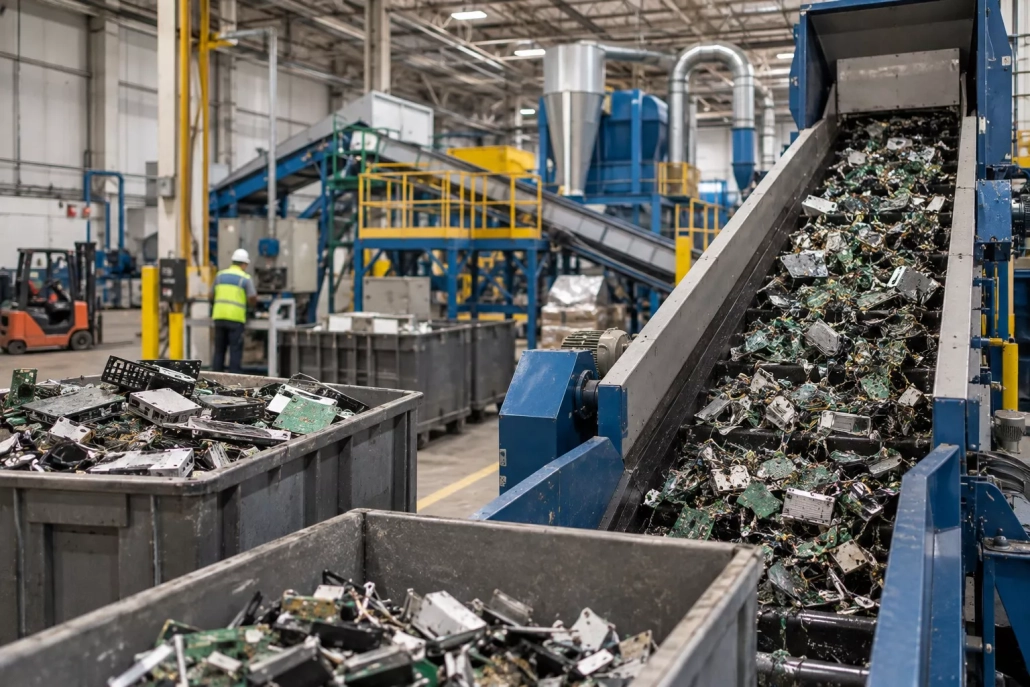
Certified IT asset disposal programs apply verified processes at every stage from pickup through downstream material recovery. Additionally, third-party audits validate that partners maintain those standards under real operating conditions. The result is documented environmental performance that satisfies regulators, boards, and investors.
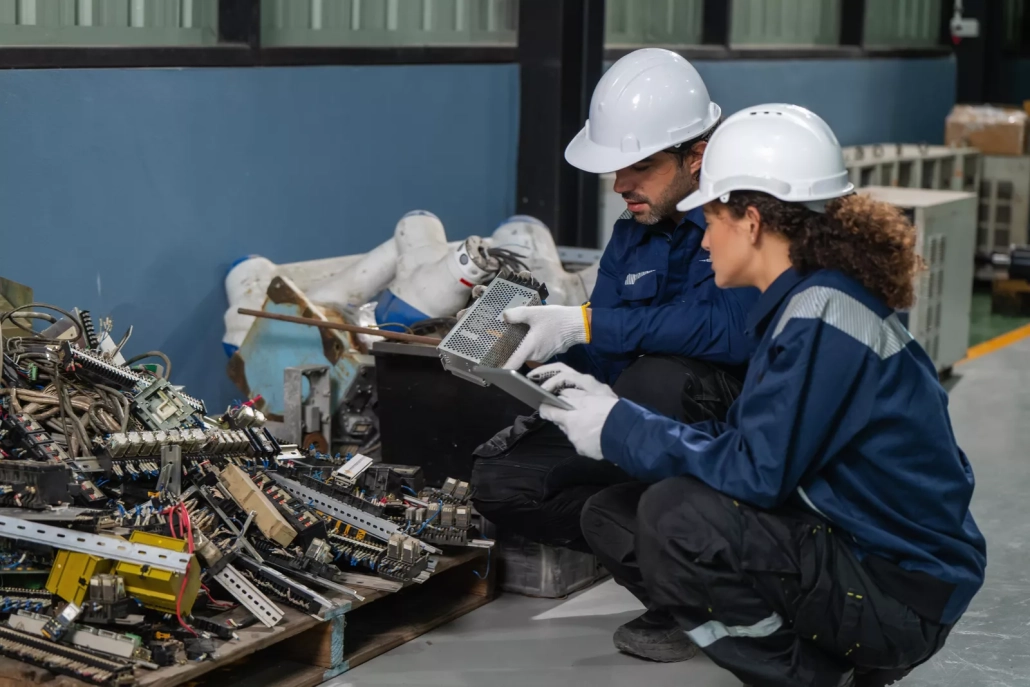
Your program should require specific credentials and controls from every disposal partner. In practice, the following capabilities distinguish enterprise-grade environmental performance from ad hoc disposal arrangements.
- R2v3 certification: Documented environmental, health, and safety controls
- ISO 14001: Environmental management system aligned with international standards
- No-landfill policy: Written commitment against landfill disposal of retired equipment
- Downstream vendor tracking: Verified oversight of every processor in the recovery chain
- Serialized reporting: Device-level records tied to final material disposition
Layered certifications also give you defensible evidence across state, federal, and international frameworks. Learn more about our certifications that back every disposition project.
Protect Environmental Performance With a Certified Disposal Partner
Improper IT asset disposal now sits at the intersection of environmental, legal, and reputational risk for every enterprise. Certified programs turn retirement decisions into documented environmental outcomes that satisfy regulators, investors, and community stakeholders. The result is measurable performance backed by verifiable evidence.
RAKI supports enterprise programs with R2v3, ISO 14001-certified processes, a strict no-landfill policy, and nationwide coverage on every retired device. Our team delivers documented environmental performance tied to serialized reporting across every disposition project. To align your IT asset disposal with certified environmental standards, get in touch with our team today.


Leave a Reply
Want to join the discussion?Feel free to contribute!