
Can You Recycle Legacy Networking Cables and Racks?
Summary
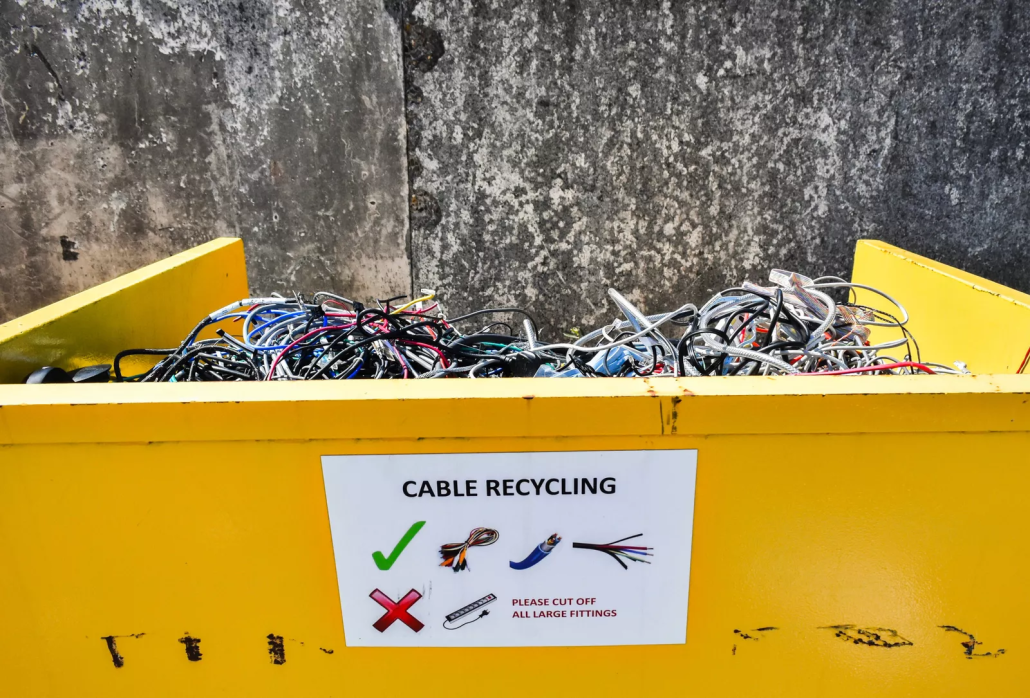
Old networking cables and racks hold real scrap value if handled right. Learn what recyclers accept and how to prep loads for pickup.
Networking cables and empty racks pile up fast during any data center clear-out or office move. Many teams treat that pile as trash and pay dump fees rather than pull real dollars from it. Copper, steel, and aluminum inside old gear all hold scrap value when sorted the right way.
According to Data Center Dynamics, server racks sometimes hit the landfill during clear-outs due to weak resale demand. Copper wiring in cables and power strips, however, holds strong scrap value on the open market. Proper sorting and pickup turn what looks like waste into a payout for your finance team.
Can You Recycle Legacy Networking Cables and Racks?
You can recycle both legacy networking cables and empty server racks through a certified electronics recycler with the right tools. Copper in cables and steel in racks each carry scrap value that offsets pickup and handling costs. Some racks may also find a second life through resale to smaller sites or refurbish shops.
What You Can Recover From Legacy Networking Cables
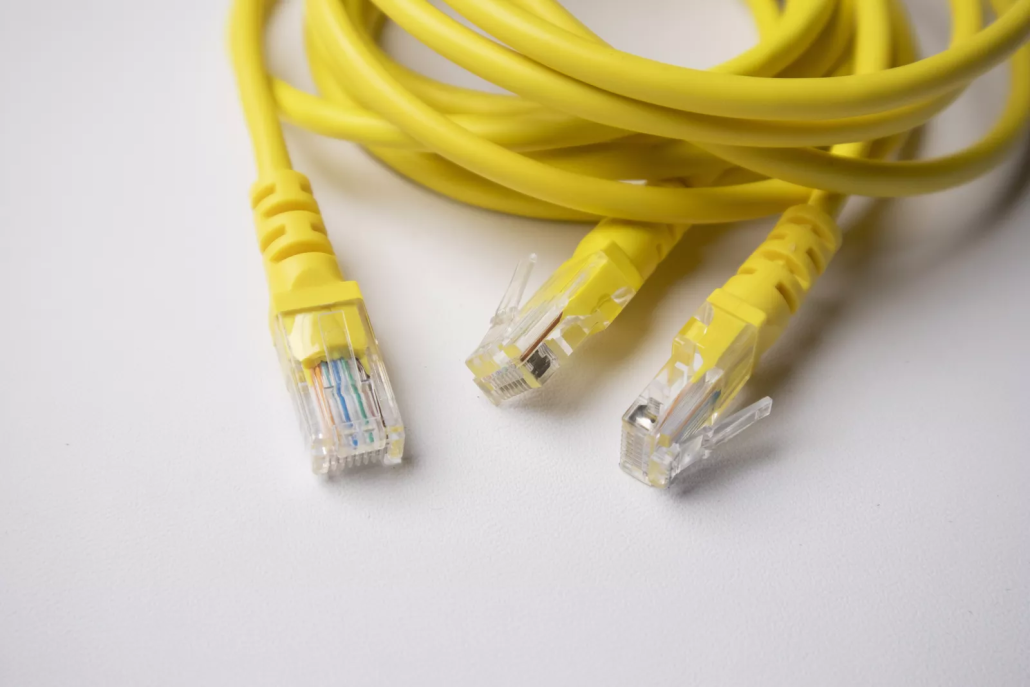
Legacy networking cables often carry more scrap value than most IT teams expect at first glance. Copper conductors inside old Cat5, Cat5e, and Cat6 lines drive most of that value on the scrap market. Meanwhile, fiber optic cables carry no copper and belong in a fully separate stream from your core loads.
According to Global Ardour Recycling, copper wiring runs through power distribution units and grounding systems inside most racks. Furthermore, plastic cable trays, blanking panels, and accessory mounts round out the material mix in a bulk pickup.
Your team should pull cables into groups by copper grade before the truck rolls up. Meanwhile, fiber runs and low-grade cables belong in separate bins to avoid a mix that drops the whole payout. Furthermore, tagging each bin with a rough weight helps your recycler quote a fair price up front.
Working with a partner offering ITAD and e-waste recycling helps sort and grade cables at pickup. Certified crews weigh each stream, log the mix, and share the payout report back to your finance team. Furthermore, one contract covers wipe, resale, and recycling under a single chain of custody.
How Recyclers Handle Server Racks and Networking Cables
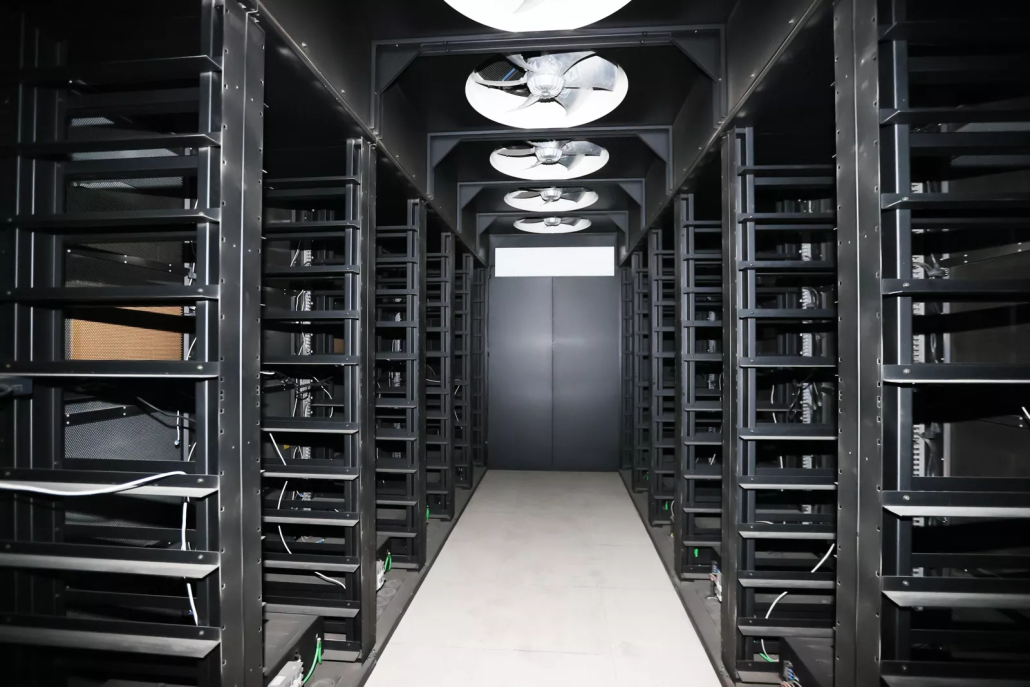
Server racks split into steel frames, aluminum rails, copper power strips, and plastic covers on the recycle line. Most modern racks lean heavily on cold-rolled steel for the frame and mounting rails inside. Also, copper power strips and networking cables hold the highest per-pound scrap value in the whole load.
Common Networking Cables and Rack Parts by Stream
Your recycler should split racks and their gear into the following streams at intake:
- Steel frames, rails, and doors for ferrous metal recovery on the scrap line
- Aluminum sliding rails, cable arms, and trays for non-ferrous metal streams
- Copper power distribution units, grounding runs, and networking cables
- Plastic panels, cable trays, and mounts for polymer recovery paths
- Small boards and sensors tied to smart racks for board-grade streams
Some racks in good shape may skip the shred line and head to a resale market. Meanwhile, older or dented racks move straight into ferrous metal streams for melt at a steel mill.
You may also review our partner’s work with regulated industries to benchmark your own recovery goals. Firms in health care, banking, and public sector groups often share the same rack and cable mix as yours.
Prep Steps for Networking Cables Before Pickup
Prep work at your site drives both the safety and the payout of a bulk cable pickup. Networking cables tangled with power cords, drives, or trash can slow down the sort line and drop your check. Weight-per-load also matters, so a full pallet of cables pays more than a half-full bin.
1. Coil Networking Cables Into Loose Bundles
Your team should pull networking cables from racks and coil them into loose bundles for easy weighing. Loose coils lift onto pallets faster than tangled piles and give a cleaner count on the scale. Coiled cables also pack tighter, so each pallet holds more weight and drives up your payout.
2. Split Fiber From Copper Networking Cables
Fiber optic runs carry no copper and belong in a fully separate bin from your core cable loads. Mixing fiber with copper networking cables drops the whole load into a lower grade and cuts your check. Clean fiber bins may still find value with specialty buyers who process the glass strands.
3. Pull Hazards Out of the Load
Batteries, capacitors, and mercury lamps all belong in hazard streams, not with your metal or plastic loads. Mixing hazards with metals can start fires or leak toxins into clean streams at your recycler. Your crew should stage hazards in labeled bins with lids for safe pickup by trained hands.
4. Log Weight Per Networking Cables Stream
Your team should log rough weight per stream on a shared sheet with your ITAD partner before pickup. Weight logs give both sides a fair baseline for networking cables quotes, payouts, and audit checks. Tracking weight per stream also helps your finance team spot payout gaps across pickups.
5. Photograph the Pile Before Pickup
Photos of the pile before pickup give your audit and finance teams proof of what left the dock. Clear labels on each bin also cut sort time on the truck and back at the plant. Working with a partner for secure data destruction ties any drive shreds to the same chain of custody.
What Payouts to Expect and How to Track Them
Payouts on networking cables and racks change with copper, steel, and aluminum prices on the open market. Metal moves each quarter can shift your net check up or down by a real margin. Furthermore, your finance team should track payouts by load, stream, and pickup date across the year.
Your dashboard should log the following payout metrics on every bulk pickup event:
- Total weight per stream, from copper cables through steel rack frames
- Payout per pound based on the day’s scrap market rates
- Net payout after freight, handling, and hazard fees pull down
- Certificate of Recycling tied to each load for your audit files
- Downstream vendor names and permits for each stream in the load
Quarterly reviews with your recycler help you time future pickups with metals price shifts. Meanwhile, clean records make future ESG and audit reports easier to build for your board.
You may also review our partner’s certifications page as part of your vendor screen. Certified partners bring the audit trail your finance and compliance teams need each quarter.
Ready to Recycle Your Legacy Networking Cables and Racks?
Legacy networking cables and racks carry real scrap value when handled by a partner with the right sort line. Copper, steel, and aluminum all pay back part of your clear-out cost when streams stay clean. Prep work at your site, plus certified pickup, turns dump fees into a cleaner payout check.
RAKI Computers runs a certified sort line for bulk cable and rack loads across every industry we serve. Our teams give you serial-level intake, stream-by-stream payouts, and Certificates of Recycling for each load. Book your next bulk cable and rack pickup with our team by sending us a quick note today.


Leave a Reply
Want to join the discussion?Feel free to contribute!