
Optimizing Material Recovery Rates Through Precise Sorting in Bulk Computer Recycling

Summary
Bulk computer recycling only pays off with sharp sorting. Learn how careful stream separation lifts material recovery rates and returns.
Material recovery from bulk computer recycling depends far more on sorting than on the crushing or melting steps that follow. Retired laptops, servers, and boards each carry a mix of metals, plastics, and glass that need clean separation. Poor sorting mixes low-grade scrap with high-grade streams, which drives down the price of both.
According to Chemical and Engineering News, only 20 percent of precious metals were recycled from global e-waste in 2022. Copper recovery reached 60 percent, but demand still runs ahead of what mining and recycling can supply. Sharp sorting at the front of the process lifts recovery rates for every stream that follows.
How Does Sorting Improve Material Recovery in Bulk Computer Recycling?
Sorting improves material recovery by grouping like items before crushing, so smelters can pay top prices per pound. Clean streams of boards, hard drives, aluminum, and cables each carry a different market value. Mixed streams drop in value because downstream buyers must sort and test them again.
Why Material Recovery Starts With Sharp Sorting
Bulk computer recycling begins with a stream of mixed gear that hides a wide range of metals and plastics. Material recovery grows when your recycler groups items by type, board grade, and metal content early. Clean streams also cut labor and chemical use at every step that follows.
According to the Global E-waste Monitor 2024, the world lost billions of dollars in raw material value from poor e-waste handling in 2022. Much of that loss traces back to weak sorting at the intake stage of local recyclers. Boards mixed with plastics and cables lose the buyer premium that clean board streams earn.
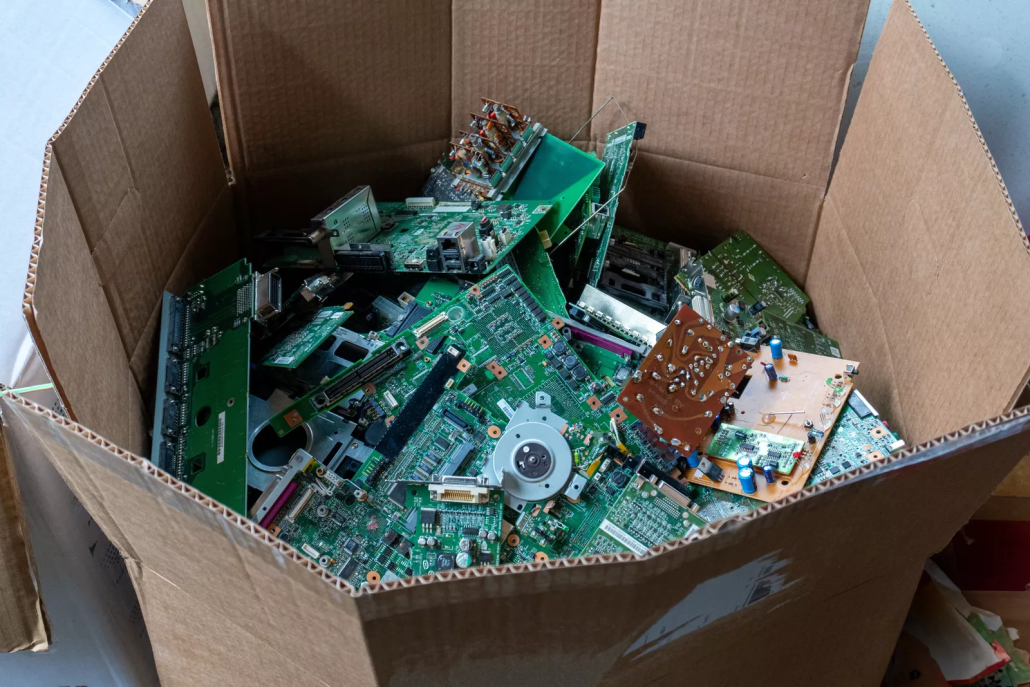
Your recycler should route items into groups such as motherboards, hard drives, memory, cables, and metal housings. Extra care goes to gold-bearing boards, which pay far more per pound than low-grade scrap.
Working with a partner offering ITAD and e-waste recycling under one roof gives you cleaner streams and better payouts. Serial-level intake also lets you track which loads brought back the highest yields.
The Main Streams Your Recycler Should Separate
Bulk computer loads split into a few core streams that each need their own path. Material recovery rates climb when your recycler sorts by metal, board grade, and hazard type from day one. Skipping this step drops both the resale value and the safety of the whole load.
Key Streams to Watch on the Sort Line
Your recycler should split bulk loads into the following core streams at intake:
- High-grade boards from servers, laptops, and network gear with gold plating
- Low-grade boards from monitors, printers, and power supplies with less value
- Hard drives and solid state drives held for shred and metal recovery
- Aluminum, steel, and copper housings pulled from chassis and racks
- Batteries, capacitors, and mercury lamps routed to hazard streams
Boards drive much of the payout from any bulk load. High-grade boards from servers and laptops often carry gold, silver, and palladium in small but valuable amounts.
Working with a partner that also handles secure data destruction keeps drives inside the same chain of custody. Fewer handoffs mean fewer chances to mix streams and lower your final payout.
How Sorting Lifts Both Payouts and Safety
Sharp sorting does more than lift material recovery dollars for your finance team. It also cuts safety risks tied to batteries, mercury lamps, and other hazards inside old gear. Furthermore, sorted loads move faster through downstream smelters and mills.
Your recycler should pull batteries, capacitors, and mercury lamps out of the flow before any shred step. Mixing these items with metal streams can start fires or leak toxins into clean loads.
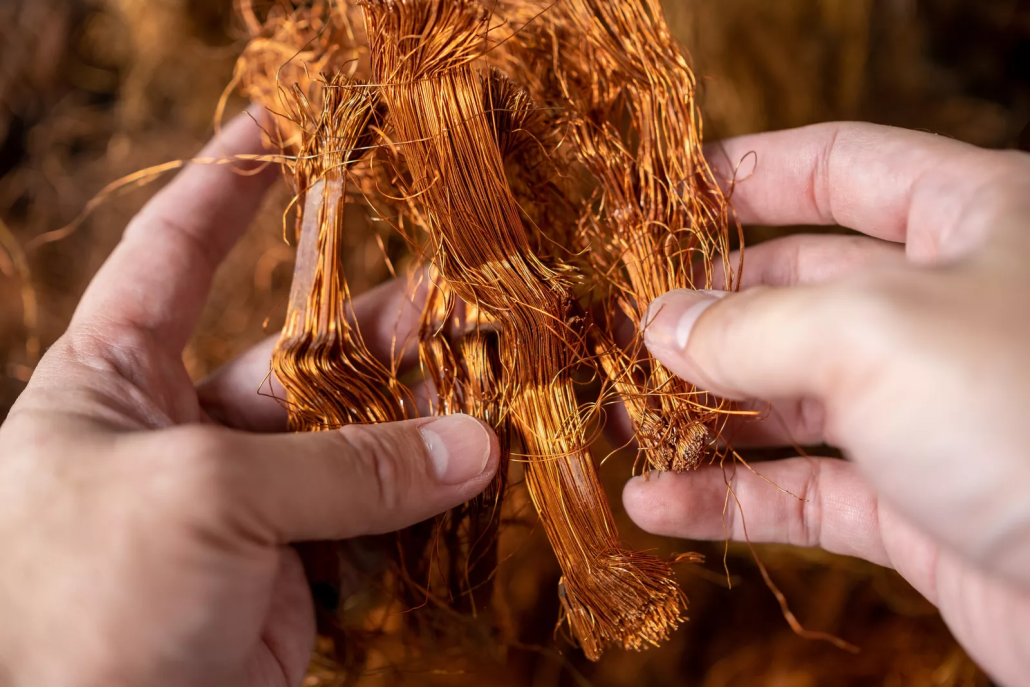
Additionally, clean streams pass through R2v3 downstream vendors faster with less rework. Meanwhile, mixed loads face rejection, testing fees, and delays that eat into your net payout.
Vendors experienced in data center decommission work often bring the tools and trained crews to sort dense server loads by hand. Hand sorting on rack gear captures higher-value boards that machine sorting alone can miss.
Measuring Material Recovery Across Your Program
Metrics turn material recovery from a soft promise into a hard number your team can track. Your recycler should report back on weight, stream mix, and payout for every load you send. Furthermore, quarterly reviews let you spot which gear types bring back the best returns.
Your dashboard should track the following recovery and payout metrics on every load:
- Total inbound weight split by stream type at the intake dock
- Percent of weight sent to landfill versus recovered as raw material
- Payout per pound by stream, from high-grade boards to bulk metals
- Percent of loads rejected or reworked by downstream smelters
- Certificates of Recycling tied to each stream and downstream vendor
Metrics also help you plan your next refresh with recovery in mind. Furthermore, gear types that pay back well may earn a spot in your priority pickup schedule.
You may also review work done for other regulated industries to benchmark your own recovery targets. Loads from health care, banks, and public sector groups often share the mix and grade of yours.
Ready to Lift Your Material Recovery Rates?
Sharp sorting sits at the heart of every well-run bulk computer recycling program. Clean streams lift payouts, cut safety risks, and give your finance team a clear number to report on. Weak sorting hides value inside mixed loads that leave money on the table.
RAKI Computers runs a certified sort line that groups your bulk loads by board grade, metal type, and hazard class. Our teams give you serial-level intake, stream-by-stream payouts, and Certificates of Recycling for each load. Talk with our team about your next bulk pickup by dropping us a note this week.


Leave a Reply
Want to join the discussion?Feel free to contribute!