Why Large Enterprises Trust RAKI for Nationwide Equipment Removal
Summary
Managing equipment removal at an enterprise scale is a significant challenge that extends far beyond simple logistics. For organizations spanning dozens of locations, a structured partner is required to ensure data security, regulatory compliance, and environmental accountability. By utilizing a centralized process with standardized procedures, large enterprises can mitigate the risks of data exposure, workflow disruptions, and compliance failures.
Managing retired technology at enterprise scale is one of the most underestimated challenges in IT leadership. When an organization spans dozens or even hundreds of locations, equipment removal becomes far more complex than a simple logistics task. It carries real consequences for data security, regulatory compliance, and environmental accountability. Large enterprises need more than a vendor. They need a structured partner with the infrastructure, expertise, and national reach to manage technology disposition reliably and at scale.
The Complexity of Multi-Site Equipment Removal
Coordinating technology retirement across multiple sites creates challenges that most internal teams can’t manage alone. Each location may have different asset volumes, equipment categories, and removal timelines. Without a centralized process, inconsistencies are inevitable. Those gaps can result in compliance failures, data exposure, and workflow disruptions.
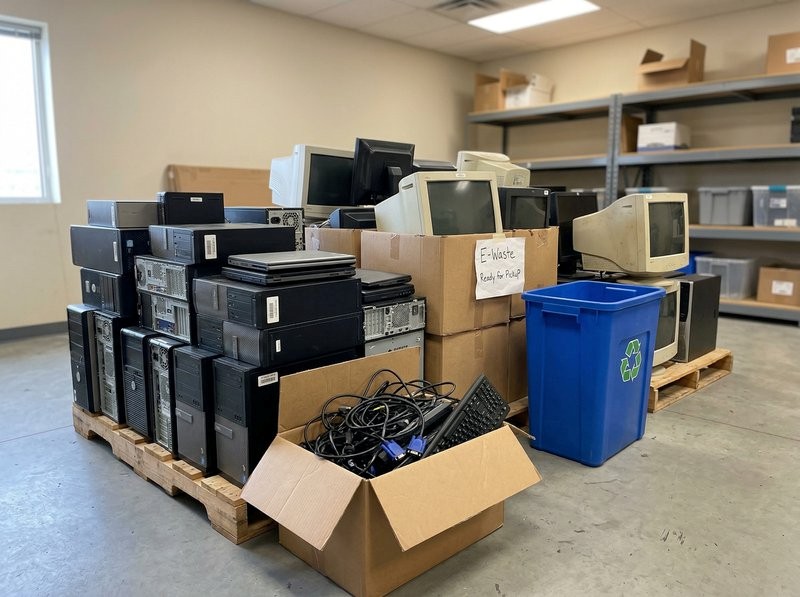
Enterprise fleets often include a wide range of asset types, from laptops and servers to networking equipment and peripherals. Each category may require different handling, packaging, and chain of custody documentation. A single missing record can create gaps that surface during an audit months later.
Scheduling is a significant burden on its own. IT teams must coordinate pickups, track assets across facilities, and maintain chain of custody records simultaneously. Core business functions cannot come to a halt during a decommissioning project. A reliable ITAD partner absorbs that workload.
Standardized procedures across every location are essential. The same data security and handling protocols must apply whether assets are collected from a corporate headquarters or a regional distribution center. Consistency is what separates a scalable program from a fragmented one.
Data Security Is a Non-Negotiable Priority
Decommissioned hardware is one of the most overlooked vectors for a data breach. Storage devices that appear inactive can still contain sensitive organizational and customer information. Any gap in handling during the removal process creates measurable risk.
Certified data destruction must be built into every stage of the workflow. Depending on asset type and security requirements, this may include physical destruction, degaussing, or certified data wiping. Formal documentation must accompany each device to confirm that destruction occurred and meets the applicable regulatory standard.
Regulated industries carry even higher stakes. Healthcare companies must align with HIPAA requirements. Financial institutions operate under strict governance frameworks. Federal agencies follow mandated data handling protocols. A qualified removal partner integrates these requirements into its processes from the start, rather than treating them as an afterthought.
Audit Readiness Requires More Than Good Intentions
Regulators and internal auditors do not accept verbal assurances. They require verifiable documentation. Companies must demonstrate that each retired asset was handled in full accordance with applicable standards.
Audit-ready reporting is a defining characteristic of a mature ITAD program. This means serialized asset tracking, certificates of data destruction, and chain of custody documentation for every item processed. Without these records, enterprises expose themselves to regulatory penalties, failed audits, and significant reputational risk. The cost of a failed audit extends well beyond fines. It affects vendor relationships, customer trust, and internal confidence in IT leadership.
Compliance requirements are not static. Data privacy regulations continue to evolve. Internal governance expectations grow more rigorous each year. Establishing a structured documentation framework at the outset of any disposition project reduces risk at every operational level.
How RAKI Computers Supports Enterprise-Scale Equipment Removal
RAKI Computers is built to meet the demands of large enterprise clients. Its nationwide logistics network supports businesses managing equipment removal across single-site operations and complex, multi-location deployments.
As an R2-certified ITAD provider, RAKI adheres to rigorous industry standards that govern security, environmental responsibility, and process integrity. Clients receive serialized asset reports, certificates of data destruction, and full chain of custody records for each asset processed.
Value recovery is also a core part of the program. Retired assets with residual market value are assessed and returned to clients through responsible remarketing channels. This approach converts a cost center into a measurable financial return, helping businesses offset the overall cost of disposition.
Ready to Streamline Your Nationwide Equipment Removal?
Enterprise-scale IT transitions demand a partner who can operate at your pace, across your locations, and within your compliance requirements. RAKI Computers delivers the logistics infrastructure, documentation, and data security expertise that large enterprises require.
RAKI’s nationwide capabilities and R2-certified processes are designed to scale with your organization. Contact RAKI today to develop a disposition strategy that protects your assets and brings structure to your next equipment removal project.


Leave a Reply
Want to join the discussion?Feel free to contribute!