
Comparing On-Site and Off-Site Shredding for Corporate Hard Drives
Summary
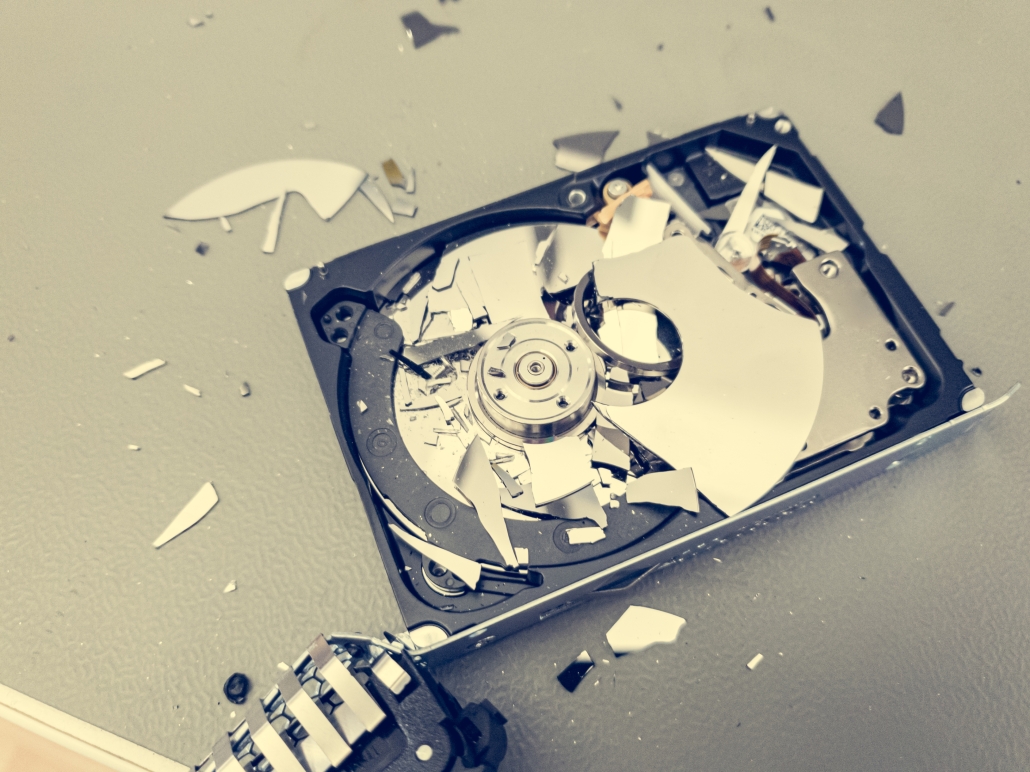
For organizations managing large-scale IT refreshes, off-site shredding offers a highly scalable and cost-effective solution for data destruction. By utilizing a dedicated facility with R2-certified industrial machinery, enterprises can process high volumes of hard drives with greater speed and precision than on-site methods allow.
When it comes to retiring corporate hard drives, the method of destruction matters as much as the decision to dispose. Organizations must choose between two primary approaches: on-site shredding and off-site shredding. Each carries distinct implications for security, cost, logistics, and compliance.
The right choice depends on your organization’s size, risk tolerance, and regulatory environment. IT decision-makers must understand these differences to protect sensitive data and maintain regulatory alignment.
How On-Site Hard Drive Shredding Works
On-site shredding involves bringing industrial destruction equipment directly to your facility. A qualified vendor arrives, sets up shredding machinery, and destroys hard drives while your staff observes. This provides immediate, visual confirmation that destruction has occurred.
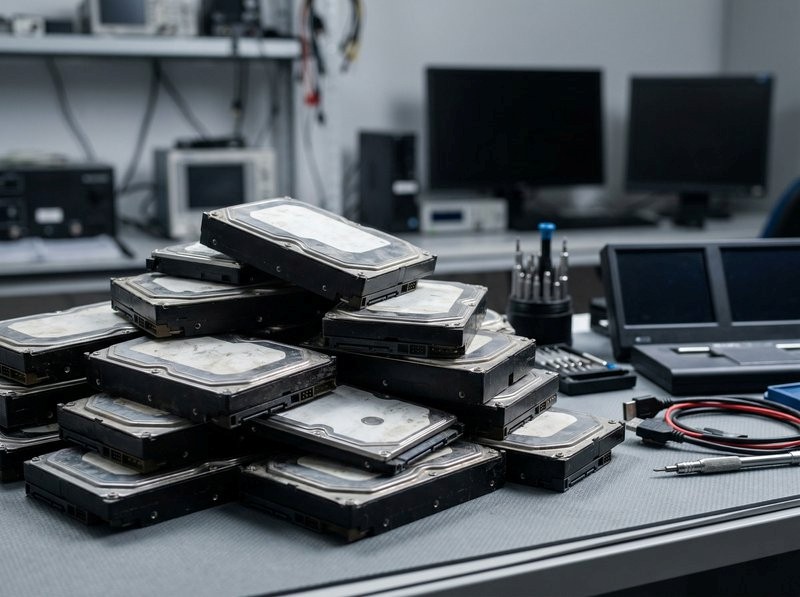
This approach is often preferred by organizations that handle highly classified or sensitive data. The assets never leave the premises, which eliminates exposure risk during transport. Certificates of destruction are typically issued on the spot. For organizations with a smaller number of assets to retire, on-site shredding can be a straightforward and controlled option.
However, on-site shredding comes with real limitations. Scheduling is constrained by vendor availability. Costs tend to be higher per unit, particularly for smaller batches. Managing asset retirement across multiple locations can also introduce significant coordination challenges.
What Off-Site Shredding Involves
With off-site shredding, teams transfer hard drives to a certified, secure destruction facility for processing. They collect, inventory, and transport assets with full chain-of-custody controls, and they complete destruction in a controlled environment equipped for high-volume operations.
This method scales efficiently. Organizations retiring large quantities of equipment benefit from streamlined logistics and well-structured records. Teams track and log every step, from pickup to final destruction, and issue a certificate of destruction upon completion.
Reputable providers maintain rigorous security throughout the entire asset lifecycle. R2-certified facilities follow established protocols for data handling, worker safety, and environmental responsibility. The result is a transparent, traceable workflow that supports compliance across major regulatory frameworks.
Comparing Security Standards and Compliance
Both methods can meet compliance standards when implemented correctly. The core distinction lies in where teams verify destruction and how they manage records.
On-site shredding removes any transit-related vulnerability. It appeals to organizations with strict internal governance policies or those handling exceptionally sensitive materials. The ability to witness destruction in real time adds an extra layer of assurance.
Off-site shredding, when handled by a vetted provider, delivers a documented and repeatable workflow. Regulatory frameworks such as HIPAA, NIST 800-88, and FACTA require verifiable proof of data destruction. Off-site providers typically generate detailed reports that satisfy audit requirements across multiple standards. Selecting a vendor with appropriate certifications and a proven track record is critical.
When Off-Site Shredding Is the Right Choice
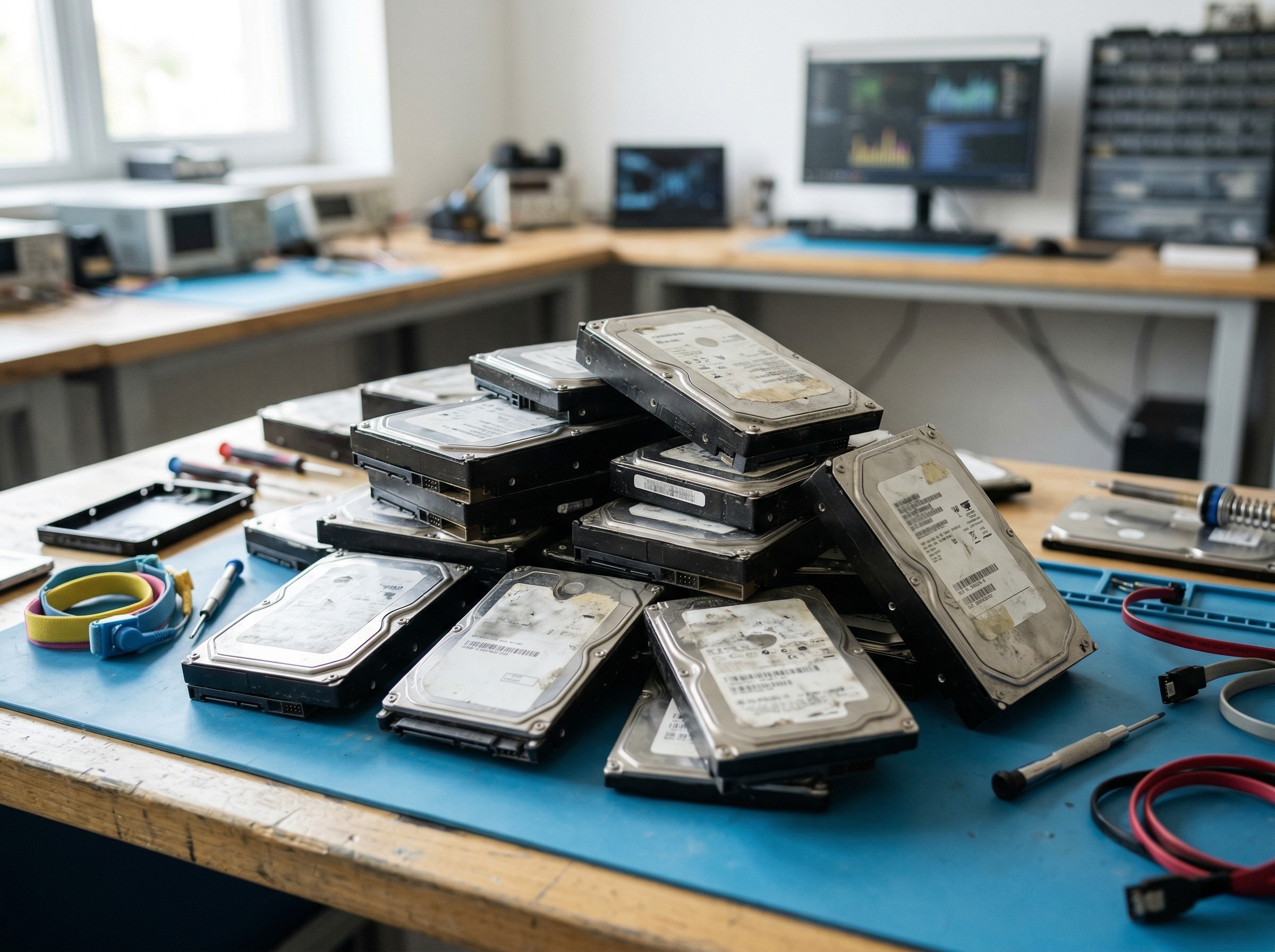
For enterprises managing large-scale IT asset disposition, off-site shredding often proves to be the more practical solution. It scales efficiently across multi-location environments, making nationwide or regional programs far more manageable.
Teams can route assets from distributed offices to a single secure facility. This consolidates logistics and creates a unified accountability record. Internal IT teams spend less time coordinating removal efforts and more time focused on strategic priorities.
At higher volumes, off-site shredding also reduces per-unit costs considerably. Dedicated facilities operate with speed and precision. Faster turnaround minimizes the window of risk tied to holding decommissioned equipment on-site.
Industries such as healthcare, finance, and government frequently rely on off-site shredding to meet compliance obligations efficiently. The scalability and cost profile make it ideal for enterprises with ongoing or cyclical asset retirement cycles.
Take Control of Your Hard Drive Destruction Program
Selecting the right destruction method is a foundational decision in any IT asset disposition strategy. The wrong approach can expose your organization to data breaches, audit failures, and significant financial and reputational consequences.
RAKI Computers delivers certified hard drive destruction services designed for enterprise-level needs. Our off-site shredding capabilities are backed by R2 certification, chain-of-custody documentation, and audit-ready reporting. We serve clients across healthcare, finance, government, manufacturing, and beyond. Whether you manage a one-time equipment decommission or a large refresh cycle, RAKI delivers secure, compliant, and scalable solutions tailored to your operational needs.
Reach out to our team today. Learn how RAKI Computers can strengthen your data destruction program and support your compliance goals.


Leave a Reply
Want to join the discussion?Feel free to contribute!