
A CIO’s Guide to Lifecycle Management of High-Density Storage Arrays

Summary
For enterprise environments, lifecycle management of high-density storage arrays is a strategic necessity that extends far beyond simple hardware maintenance. Because these systems are data-rich and operationally critical, handling them without a security-first approach exposes organizations to significant risks, including data breaches and compliance failures.
High-density storage arrays represent some of the most data-rich, operationally critical hardware in any enterprise environment. They underpin core business systems, hold sensitive organizational data, and often carry significant residual value. That complexity makes lifecycle management for these devices a strategic priority for CIOs. Handling them without a security-first approach exposes organizations to data breaches, compliance failures, and financial loss. This guide outlines what IT leaders need to know at every stage of the storage array lifecycle.
The Unique Challenges of High-Density Storage Arrays
High-density storage arrays are fundamentally different from standard IT hardware. Unlike workstations or laptops, these systems are engineered for scale and rarely replaced in isolation. Their architecture is intricate, often spanning dozens of drives across multiple enclosures. The data they hold is rarely confined to a single location within the device.
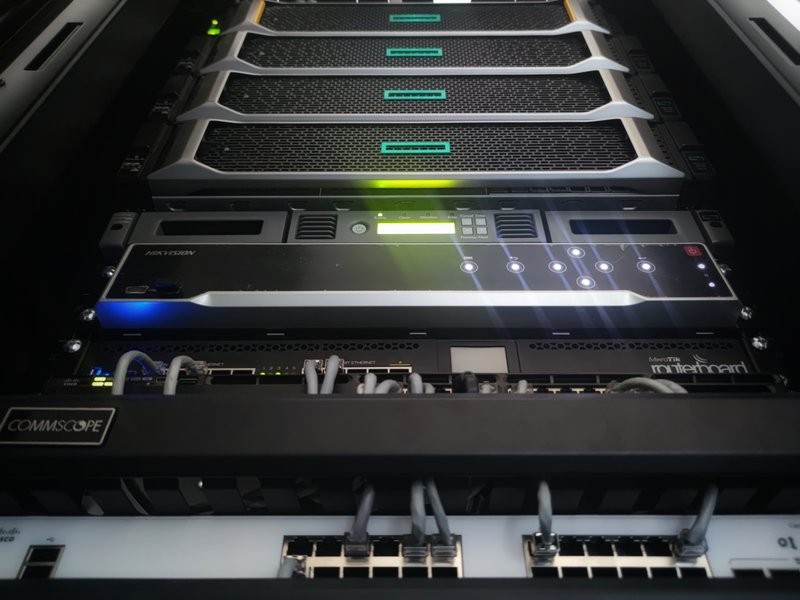
This complexity creates meaningful risk during hardware decommissioning. Standard data wiping tools are often insufficient for these configurations. Residual data can remain on controllers, cache modules, and spare drives if the process is not carefully managed.
These devices also depreciate faster than most companies realize. The longer a retired array sits idle, the more its resale value drops. Early planning is essential to both security and financial performance.
Lifecycle Management Phases for Enterprise Storage Arrays
Effective lifecycle management reduces risk at every stage. The process begins long before a device reaches end-of-life.
The four core phases are:
Procurement and deployment: Align acquisition decisions with capacity projections, security architecture, and vendor support timelines.
Active operations: Monitor performance metrics, apply firmware updates, and maintain warranty and support records throughout the device’s service life.
End-of-life planning: Begin decommissioning preparation six to twelve months before projected retirement. This allows time for data migration, asset valuation, and vendor coordination.
Secure disposition: Execute certified data destruction, pursue value recovery through secondary markets, and ensure environmentally responsible disposal.
Each phase requires clear ownership and documentation. IT teams that treat these stages as separate, disconnected events often face avoidable disruptions. A unified strategy keeps security, compliance, and value recovery aligned from day one.
Data Security and Compliance During Decommissioning
Data destruction is the highest-risk step in storage array disposition. These devices store information across layered architectures, including primary drives, cache memory, and hardware controllers. A routine software wipe often misses these areas.
CIOs must ensure that destruction methods align with established standards. NIST 800-88 provides widely accepted guidelines for media sanitization. Depending on data classification, physical destruction or degaussing may be required.
Regulatory frameworks add another layer of obligation. HIPAA, SOX, PCI-DSS, and state privacy laws each impose specific requirements for data handling and disposal. Non-compliance can result in substantial fines and reputational harm.
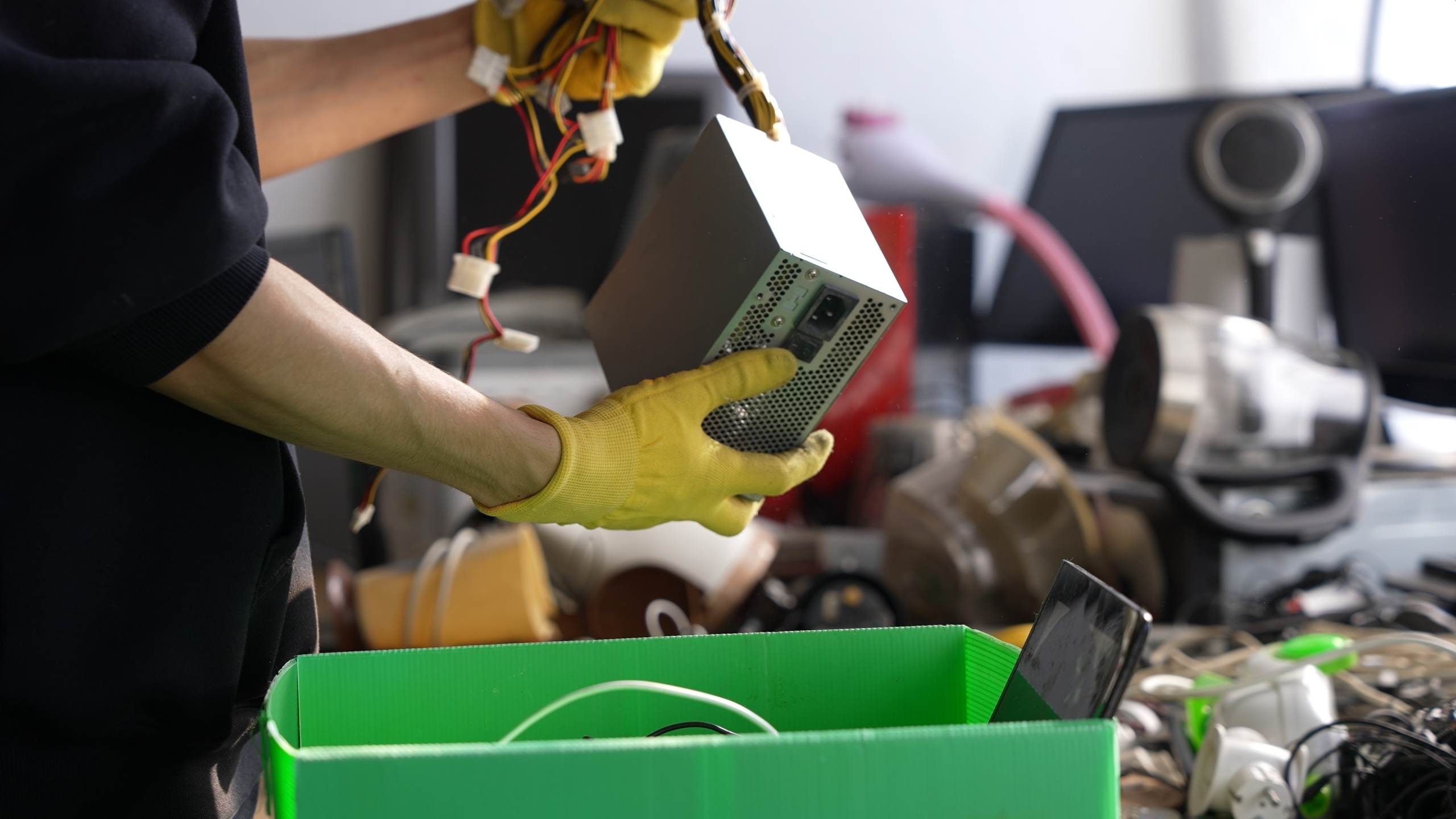
Every disposition event should produce a verified, auditable chain-of-custody record. This documentation protects the institution during audits and legal proceedings. Without it, demonstrating compliance becomes difficult, even when destruction was performed correctly.
Maximizing Financial Return From Retired Storage Arrays
Enterprise-grade storage arrays retain measurable market value well into their service lifespan. Secondary markets and certified refurbishers actively seek high-density hardware. Proactive lifecycle planning ensures assets reach market at optimal value. A dedicated recovery program can generate meaningful revenue from equipment that might otherwise be discarded.
Timing is critical. Arrays decommissioned at the right moment, before significant depreciation sets in, yield the highest returns. Waiting too long can reduce asset value considerably.
Beyond financial return, responsible disposal carries environmental implications. Storage hardware contains hazardous materials, including lead, mercury, and flame-retardant compounds. Improper disposal violates environmental regulations and exposes enterprises to liability. Engaging R2-certified providers ensures both compliant disposal and potential asset recovery.
Partner With a Certified Provider for Lifecycle Management Success
RAKI Computers delivers comprehensive lifecycle management support for enterprise storage arrays and complex IT environments. As an R2-certified ITAD provider, RAKI offers certified data destruction, nationwide logistics, and audit-ready documentation. Their value recovery programs are engineered to reduce total disposition costs while generating measurable returns.
CIOs managing high-density storage decommissioning need a partner with proven compliance infrastructure. RAKI Computers has the logistical scale and technical expertise to support both single-site companies and multi-location enterprises. Reach out to RAKI today.


Leave a Reply
Want to join the discussion?Feel free to contribute!