Why Your IT Asset Disposition Strategy Needs a Sustainability Audit

Summary
IT asset disposition (ITAD) sustainability has transitioned from a simple marketing "checkbox" to a rigorous formal compliance and ESG requirement . A comprehensive sustainability audit goes beyond basic recycling to reveal hidden environmental liabilities, ensure chain-of-custody accountability, and identify opportunities for capital recovery through reuse and resale . Organizations that fail to document these metrics risk significant legal penalties and reputational harm, as environmental liability often remains with the originating organization rather than the disposal vendor.
Most companies treat sustainability as a checkbox. Recycle the old laptops. Send them to a vendor. Move on. Sustainability has evolved from a marketing talking point to a formal compliance requirement. That limited approach creates serious gaps in accountability, environmental liability, and financial performance. A genuine sustainability audit of your IT asset disposition program goes much deeper.
An ITAD team examines how retired technology assets are handled, from the moment they leave your facility to their final destination. Done correctly, it reveals vulnerabilities that standard ITAD reviews often miss. Organizations that skip this step are often the ones caught off guard during legal inquiries or ESG audits.
What a Sustainability Audit in IT Asset Disposition Actually Means
A sustainability audit is a structured review of your ITAD program. It examines environmental procedures, reporting quality, and vendor adherence to applicable standards. It also evaluates whether your existing process aligns with relevant regulations and your organization’s own ESG commitments.
This type of review typically covers:
Chain-of-custody records for all retired assets
Vendor certifications and downstream recycling practices
Hazardous materials handling and reporting
Landfill diversion rates
Carbon footprint data tied to logistics and processing
Without this level of visibility, firms often discover critical gaps only when regulators or auditors start asking hard questions.
The Hidden Environmental Liabilities in Your IT Asset Disposition Process
Improper e-waste disposal is a growing concern. Federal and state laws govern how electronics must be managed, and violations can result in significant penalties. Many enterprises are unaware that their chosen vendors may not be meeting those requirements.
A common misconception is that ITAD contracts transfer environmental liability. They transfer operational responsibility, but liability often stays with the originating organization. If a vendor improperly handles hazardous materials, the consequences can trace back to you. That is a legal and reputational risk no company can afford to ignore.
Certificates of recycling, third-party vendor disclosures, and material recovery reports are essential for demonstrating adherence to applicable law. If your current ITAD provider cannot produce them on demand, that is a red flag worth addressing immediately.
Sustainability Metrics That Matter to Auditors and Regulators
Measuring sustainability in an ITAD program requires more than tracking how many devices were recycled. Auditors and regulators look for specific, credible data.
Key performance indicators include:
Landfill diversion rate. The percentage of assets diverted from landfills through reuse or recycling
Material recovery records. Documentation is proof of what materials were extracted and how they were processed
Hazardous waste handling. Evidence that the team properly managed regulated substances such as lead, mercury, and cadmium.
Carbon offset data. Logistics-related emissions figures tied to your ESG reporting framework
R2 or e-Stewards certification. Third-party verification that your ITAD vendor meets recognized industry benchmarks
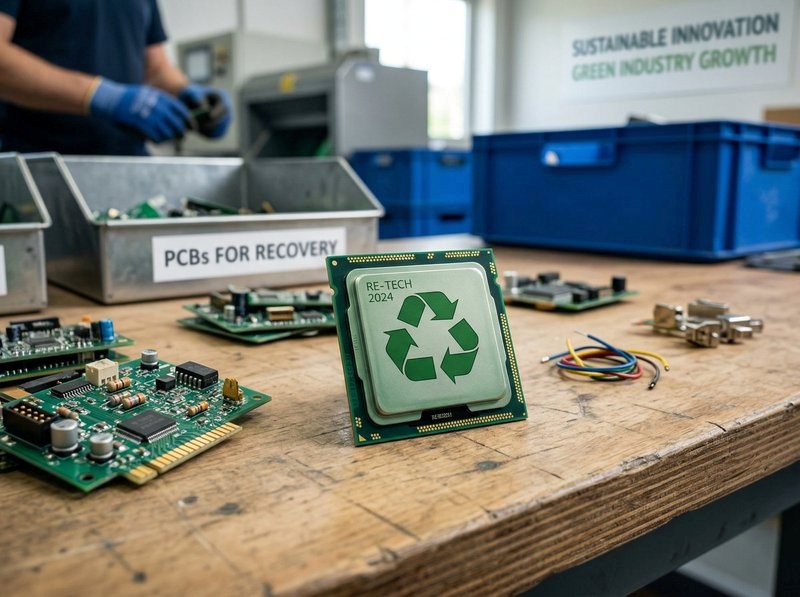
These figures are increasingly requested in corporate sustainability reports and procurement due diligence. Having them readily available signals operational maturity and positions your organization as a responsible steward of technology assets.
Aligning IT Asset Disposition Sustainability With Business Goals
Sustainability in ITAD is no longer just an environmental initiative. It has become a genuine business performance driver. Investors, regulators, and enterprise clients now evaluate companies on their ESG track record. A weak ITAD sustainability posture can directly affect procurement decisions and long-term partnership opportunities.
Strong sustainability approaches also generate quantifiable internal value. Asset recovery programs that prioritize reuse and resale lower disposal costs and can return revenue from residual asset value. A thorough audit identifies where your current program is leaving money on the table.
Treating sustainability as a strategic priority fundamentally changes how you design your ITAD program. It shifts the focus from meeting minimum thresholds to delivering measurable, ongoing results. As e-waste legislation continues to evolve, those with verified records and certified vendor partnerships face far less disruption when new rules take effect.
Make Your Next IT Asset Disposition Audit Count
RAKI Computers supports enterprises in building audit-ready ITAD programs grounded in verified sustainability practices. As an R2-certified provider, RAKI delivers comprehensive asset disposition. This includes full chain-of-custody tracking, downstream transparency, and structured reporting designed to meet ESG goals.
A sustainability audit is not a one-time exercise. It is an ongoing commitment to responsible technology lifecycle management. The businesses that approach it this way remain compliant, competitive, and prepared for whatever governance environment comes next.
If your existing ITAD strategy lacks documented sustainability metrics or certified vendor oversight, now is the right time to act. Reach out to RAKI to get started.


Leave a Reply
Want to join the discussion?Feel free to contribute!