Secure, Sustainable, Compliant: Why Selecting a Certified IT Recycling Company Matters
Summary
A certified IT recycling company is no longer merely a disposal service; it is a critical partner in an organization’s information security and governance strategy. Beyond physical removal, these providers mitigate the serious risks of data exposure and legal fallout by following documented chain-of-custody procedures and recognized destruction standards . By prioritizing the circular economy through reuse and controlled recycling, a qualified IT recycling company ensures that retired hardware—from servers to mobile devices—is managed with verifiable accountability and environmental stewardship.
Choosing an IT recycling company is no longer a simple disposal decision. End-of-life technology now carries serious implications for data exposure, regulatory accountability, environmental stewardship, and enterprise risk. A certified provider helps organizations manage those concerns through documented processes, secure handling, and responsible downstream controls. That matters even more when retired devices include laptops, servers, storage media, networking gear, and mobile hardware spread across multiple sites.
Many organizations still treat old equipment removal as a facilities task. In reality, it is an information security and governance issue. Every asset leaving a building may still hold sensitive records, intellectual property, customer information, or credentials. A qualified partner reduces that exposure while supporting audit readiness and sustainability goals.
Security Starts With Verified Data Destruction
Data does not disappear when hardware stops being useful. Solid-state drives, hard disks, backup media, and even multifunction devices can retain recoverable information long after retirement. If that material is mishandled, the result can include breach notifications, legal fallout, operational disruption, and reputational damage.
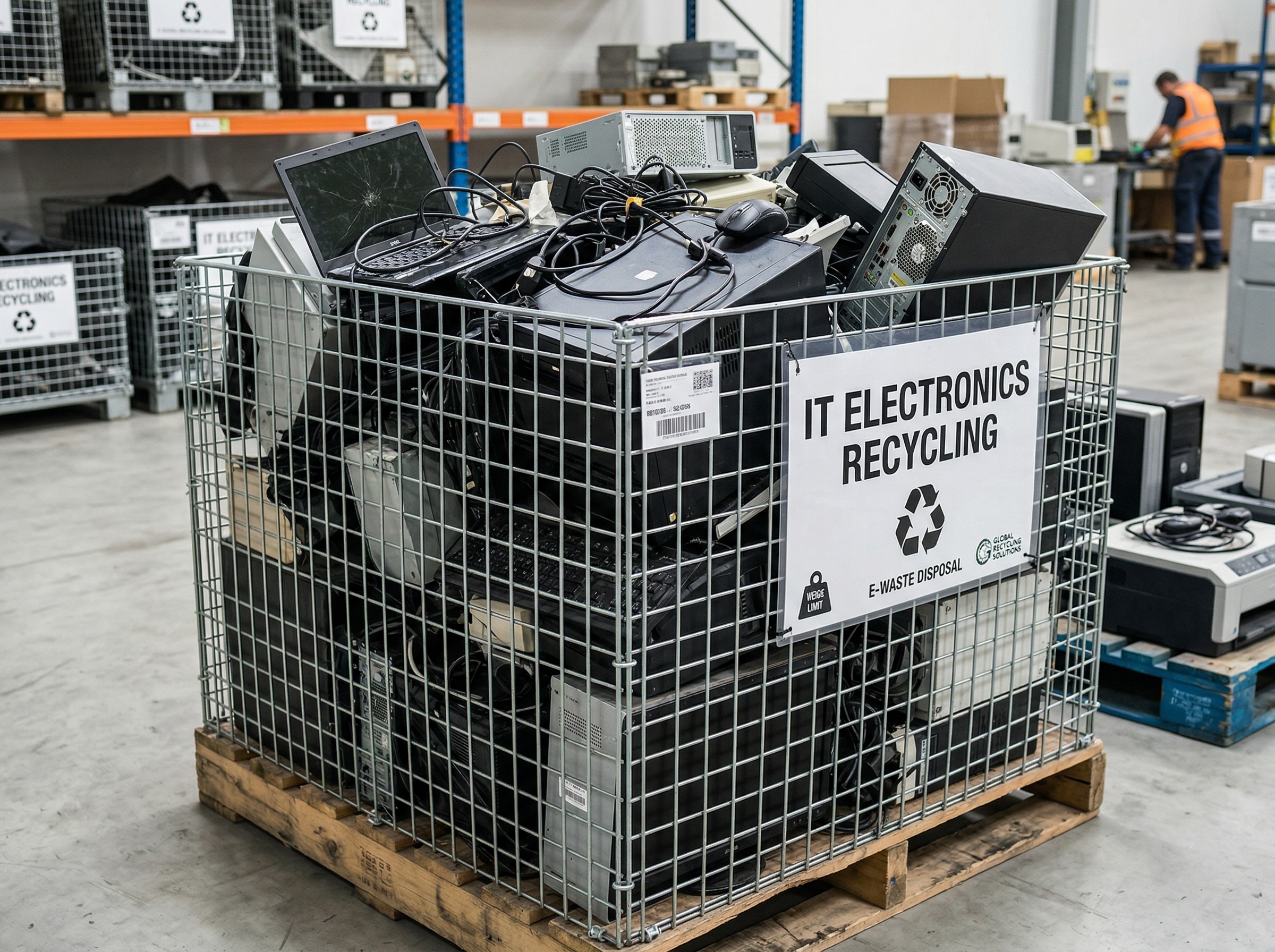
A certified recycler should offer more than physical pickup. The right firm follows controlled chain-of-custody procedures, records serial numbers, and performs sanitization or destruction using recognized standards. Those steps create traceability from collection through final processing. For security teams, that documentation is just as important as the destruction method itself.
Strong programs also separate assets for reuse, remarketing, dismantling, or shredding based on policy and device condition. That decision process protects information while preserving residual value where appropriate. Without that structure, retired equipment can move through informal channels with limited visibility.
Compliance Requires a Certified IT Recycling Company
Regulatory pressure does not end when devices leave service. Healthcare, finance, education, government, and other sectors must show that data-bearing equipment was handled according to policy and applicable rules. Internal governance expectations can be just as demanding as external mandates.
A certified IT recycling company supports compliance with documented workflows, secure logistics, and reporting that stands up to scrutiny. Certificates of data destruction, serialized inventories, and disposition records help organizations demonstrate control during audits or investigations. Those records also help procurement, security, and legal teams align on a defensible process.
Certification matters because it reflects adherence to established operational requirements. It signals that the provider has formal procedures for handling materials, protecting information, managing downstream vendors, and reducing environmental harm. Without that level of oversight, organizations may inherit avoidable risk from gaps they cannot easily see.
Sustainability Depends on an Accountable IT Recycling Company
Sustainability claims carry little value without process integrity. Electronics contain metals, plastics, batteries, and components that require careful handling. Poor downstream management can contribute to pollution, unsafe labor conditions, and improper export activity.
A responsible IT recycling company prioritizes reuse where practical, then processes non-redeployable items through controlled recycling channels. That approach supports circular economy goals while keeping hazardous material out of landfills. It also helps organizations meet environmental, social, and governance objectives with verifiable outcomes.
Certification adds another layer of confidence. It requires disciplined handling, documented vendor oversight, and accountability throughout the recovery chain. For enterprises with public sustainability commitments, that verification helps turn broad goals into measurable action.
How to Evaluate an IT Recycling Company
Not every provider offers the same level of control. Selection should focus on evidence, not marketing language. Technical capability, reporting quality, and logistics discipline often determine whether a program reduces risk or creates it.
When evaluating a partner, look for:
Recognized certification. Look for secure transportation, chain-of-custody controls, and clear data destruction options for different media types, too.
Serialized asset tracking, audit-ready reporting, downstream transparency, nationwide service capability. Also look at value recovery programs tied to documented disposition methods.
It is also smart to ask how exceptions are handled. A mature provider should explain what happens when assets arrive damaged, unscannable, or outside standard scope. Clear answers show operational depth. Vague responses often signal process weakness.
Put Retired IT Assets Under Stronger Control
Organizations need more than removal services. They need an end-of-life strategy that protects information, supports compliance, and advances sustainability without creating extra work for internal teams. That is why certified partners play such an important role in modern asset lifecycle management.
RAKI Computers helps organizations address those priorities through secure, compliance-driven IT asset disposition and electronics recycling services. With nationwide logistics, structured data destruction processes, transparent reporting, and R2-certified operations, Raki supports enterprises that need defensible outcomes at scale.
For teams reviewing their current program, this is the right time to assess whether their provider delivers the level of security, accountability, and environmental responsibility the business now requires. Talk to RAKI today.

Leave a Reply
Want to join the discussion?Feel free to contribute!